The term alternative payment methods includes any means of payment other than cash or a major international card scheme, such as American Express or Mastercard. There are several different types of APM, including:
Bank transfers
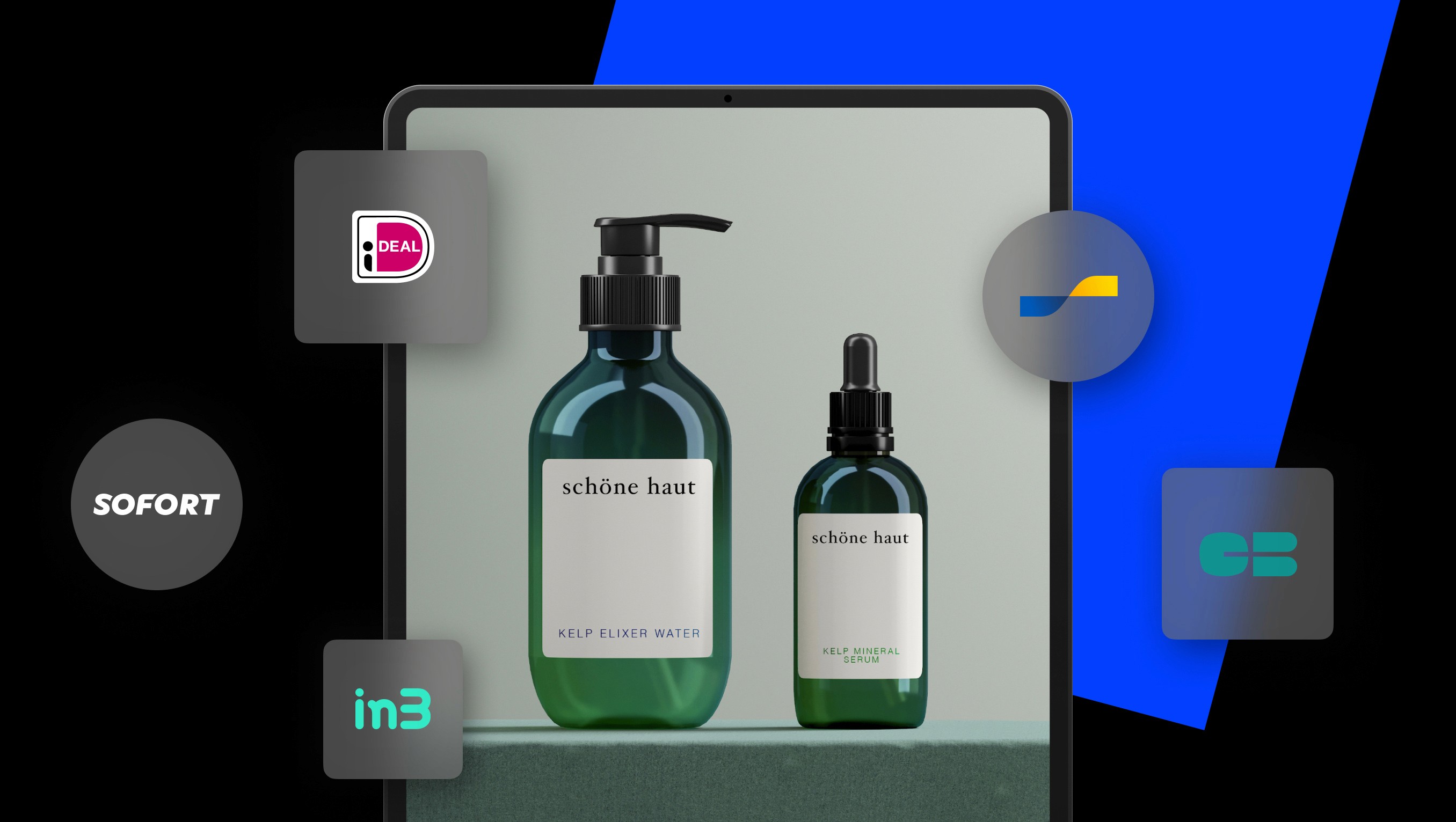
Bank transfers allow consumers to make direct payments from their bank accounts. This is also sometimes known as account-to-account payments or wire transfers. In Europe, bank transfers are an extremely popular payment method. Many European countries have one (or more) popular bank transfer methods, including iDEAL in the Netherlands and SOFORT in Germany.
If you’re selling internationally, it’s imperative to understand the bank transfer methods consumers in the country prefer to use. Our data shows the most popular payment methods across key European ecommerce markets, such as that iDEAL is the preferred payment method for 58% of Dutch consumers when buying from a domestic retailer. Bancontact is the leading method in Belgium, with 46% of consumers choosing it as their favourite way to pay.
For image below: Thinking about online purchases made to online retailers inside your own country, please choose your preferred payment method to use.

Direct debits
Direct debits use authorisations that allow you to debit a customer’s bank account – as long as you give them advance notice of the amounts and dates of collection. Direct debits can be used for everything from regular subscription payments and monthly donations to one-click payments and paying in instalments.
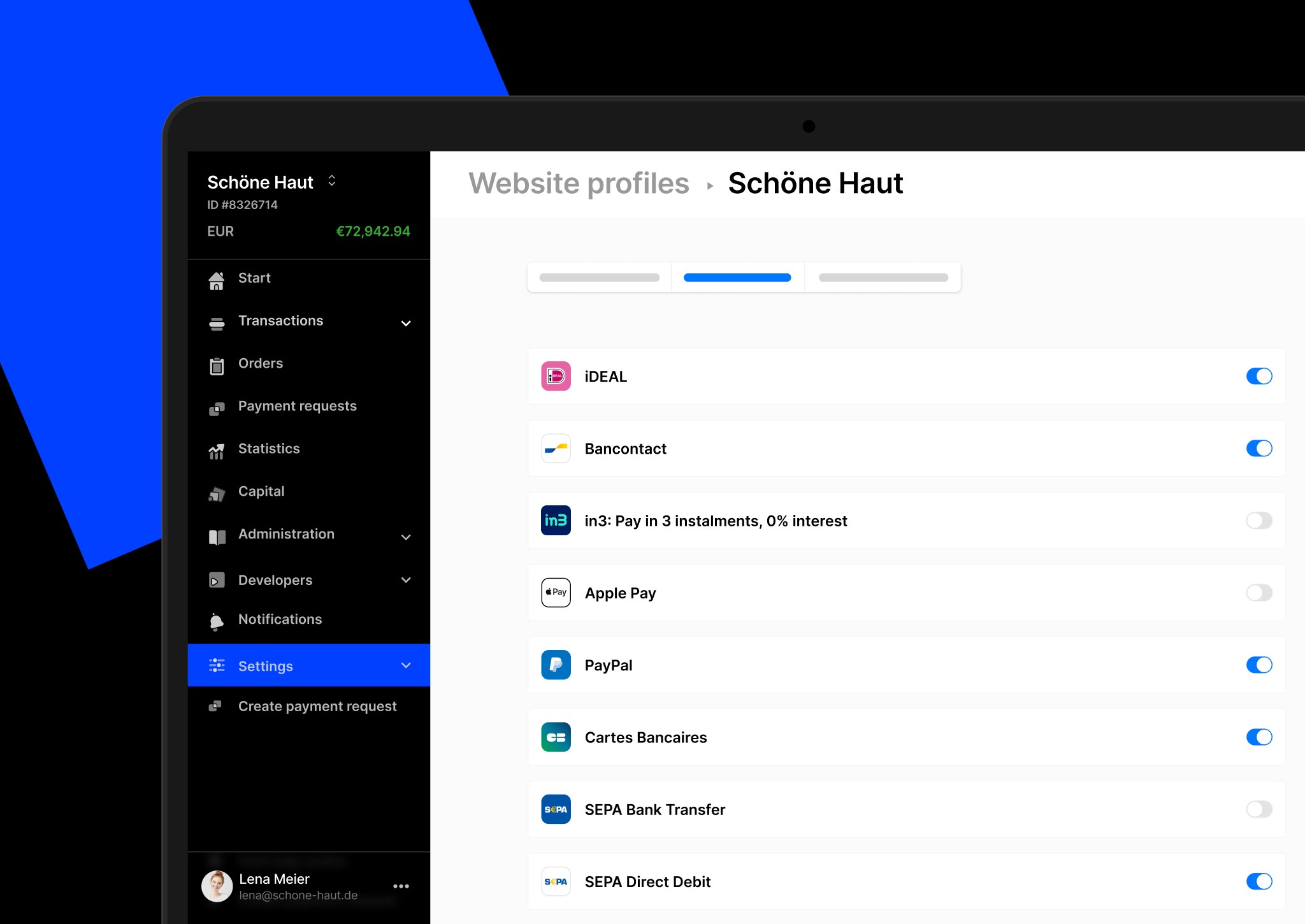
In Europe, SEPA Direct Debit is the most popular direct debit type. Using our effortless payments solution, you can easily set up these payments. Your customers need to provide a signed mandate, which allows you to collect the funds from their bank account. With Mollie, your customers can sign mandates through iDEAL, Belfius, credit card, Bancontact, SOFORT Bank Transfer and the KBC/CBC Payment Button.
Domestic card schemes
These card schemes operate similarly to global card schemes such as Visa and Mastercard. However, the cards are only accepted in specific markets. Cartes Bancaires and PostePay are examples of domestic card schemes.
Cartes Bancaires is France’s most popular payment method for purchases from domestic and international retailers.

Electronic wallets (e-wallets)
E-wallets provide a digital way for people to store funds. Users load their e-wallets with money via bank transfers cards, or cash. They can then use the money stored on their e-wallet to purchase goods or services.
PayPal is a type of e-wallet, but users can also use it as a pass-through wallet (more on that below).
Pass-through wallets
These wallets act as electronic cards that users can use for online transactions. If you use your wallet in person, the payment is generally initiated via magnetic secure transmission (MST) or near-field communication (NFC).
For purchases made online, the process is similar to making a payment using a credit card, except it’s usually faster because the required details are automatically entered. Usually, a consumer only needs to provide biometric information such as a fingerprint or a face scan to authorise a transaction. This reduction in checkout friction can be a huge conversion boost for ecommerce businesses.
Apple Pay and Google Pay are types of pass-through wallets.
Buy now, pay later (BNPL)
Consumers can use buy now, pay later payment methods to make a purchase and then pay for it later – either in one payment or instalments. For ecommerce businesses, BNPL provides more flexibility to shoppers and offers a better customer experience, which can increase conversions and average order value.

BNPL methods are growing in popularity across Europe and are especially popular in Germany and Austria. Klarna and in3 are examples of BNPL providers.