
Generally speaking, customers are fantastic. But, every now and then they can also be a little bit frustrating.
When customers buy things? Great.
When they return things? Not so great.
Of course, returns are a natural part of doing business. And customers often have valid reasons for wanting to send things back. But, processing and issuing returns can have a surprisingly large impact on your operations, whether that’s on your stock levels, brand reputation, accounting, or reconciliation. And all this while returns also drain your available cash flow.
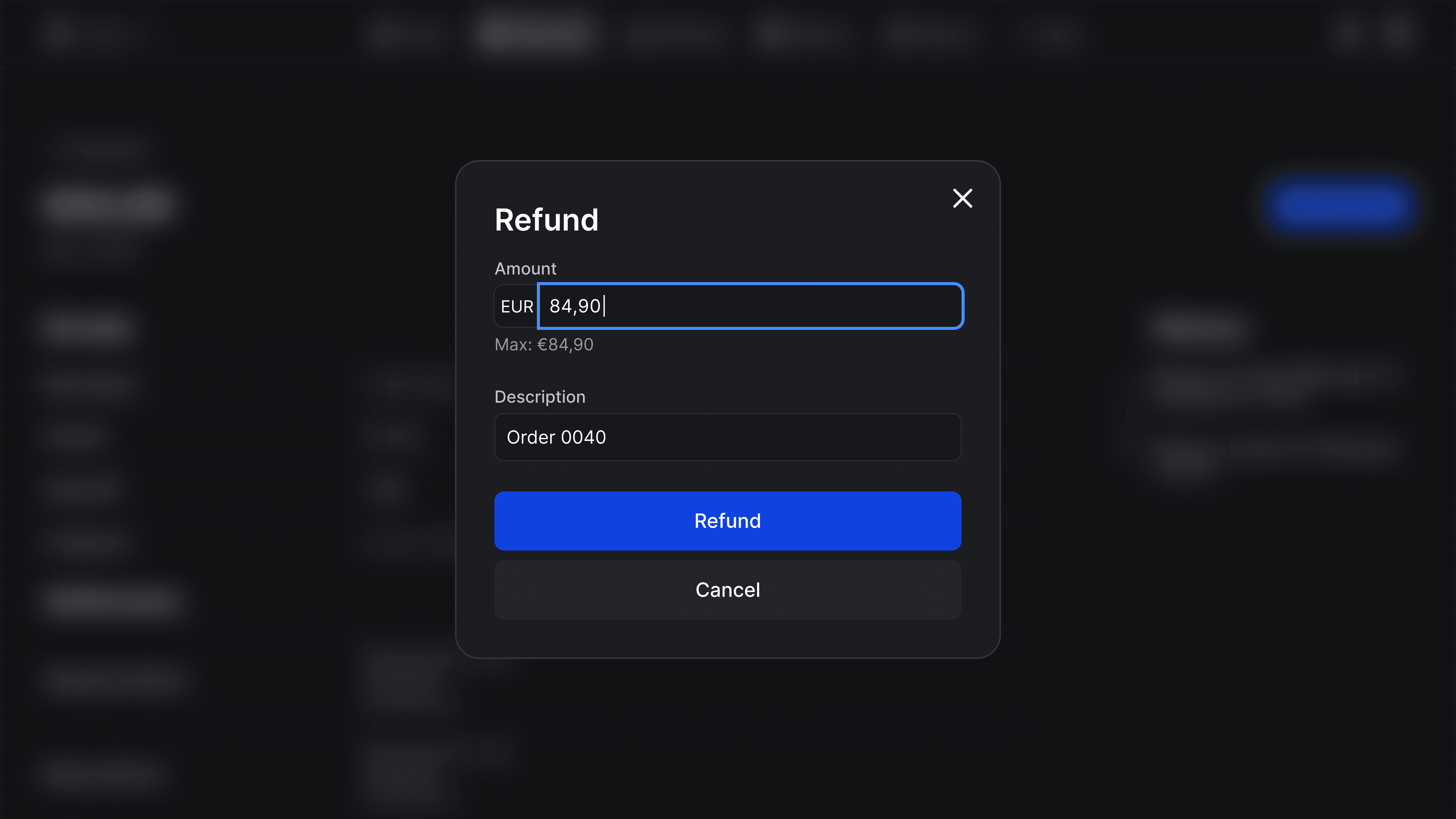
Here at Mollie, our mission is to make money management effortless. So we’ve developed a new way of processing returns that is quicker, simpler and involves a lot less paperwork. But first, let’s take a quick look at how we got here.

Generally speaking, customers are fantastic. But, every now and then they can also be a little bit frustrating.
When customers buy things? Great.
When they return things? Not so great.
Of course, returns are a natural part of doing business. And customers often have valid reasons for wanting to send things back. But, processing and issuing returns can have a surprisingly large impact on your operations, whether that’s on your stock levels, brand reputation, accounting, or reconciliation. And all this while returns also drain your available cash flow.
Here at Mollie, our mission is to make money management effortless. So we’ve developed a new way of processing returns that is quicker, simpler and involves a lot less paperwork. But first, let’s take a quick look at how we got here.
Generally speaking, customers are fantastic. But, every now and then they can also be a little bit frustrating.
When customers buy things? Great.
When they return things? Not so great.
Of course, returns are a natural part of doing business. And customers often have valid reasons for wanting to send things back. But, processing and issuing returns can have a surprisingly large impact on your operations, whether that’s on your stock levels, brand reputation, accounting, or reconciliation. And all this while returns also drain your available cash flow.
Here at Mollie, our mission is to make money management effortless. So we’ve developed a new way of processing returns that is quicker, simpler and involves a lot less paperwork. But first, let’s take a quick look at how we got here.
Generally speaking, customers are fantastic. But, every now and then they can also be a little bit frustrating.
When customers buy things? Great.
When they return things? Not so great.
Of course, returns are a natural part of doing business. And customers often have valid reasons for wanting to send things back. But, processing and issuing returns can have a surprisingly large impact on your operations, whether that’s on your stock levels, brand reputation, accounting, or reconciliation. And all this while returns also drain your available cash flow.
Here at Mollie, our mission is to make money management effortless. So we’ve developed a new way of processing returns that is quicker, simpler and involves a lot less paperwork. But first, let’s take a quick look at how we got here.