iDEAL has long reigned as the leader in online payments. We’re now seeing it change as iDEAL 2.0 rolls out across the Netherlands. Eventually, it will offer more ways to pay, including one-click, recurring, and buy now, pay later (BNPL) payments.
By investing in cutting-edge technology, enhancing user experiences, and integrating emerging features, iDEAL aims to remain the first choice for the vast majority of Dutch consumers. And compete with newer rivals like digital wallets and BNPL providers.
But, Iryna says, this isn’t guaranteed.
“The Dutch payments landscape is becoming more fragmented,” she explains. “When asked about it, I would have said one word three years ago: iDEAL. But now that’s not true. That’s why iDEAL is upgrading its platform and partnering with companies like in3. But nowadays, almost every online shop also offers Klarna, Riverty, or card payments – especially in verticals with higher average transaction volumes.”
“Of course, probably the most significant shift we’ve seen in the last few years is the rise of BNPL methods,” Iryna adds. “And that is driven by consumer demand – online shoppers want more flexibility in how and when they pay. These providers are investing in more educational and marketing activities to increase their market share. iDEAL is doing the right things, but whether it can stay in the lead remains to be seen.”
Can cards' new look lead to new success?
Cards are also undergoing a significant transformation in the Netherlands: Maestro and V-Pay are going, and Visa Debit and Debit Mastercard are in.
A timeline of these changes:
As of July 1, 2023, Maestro was officially replaced by Debit Mastercard.
Banks are now gradually phasing in Mastercard/Visa debit cards.
Existing Maestro and V PAY cards will remain valid until their expiration date – no later than 2027.
This means more consumers will now have debit cards with a 16-digit number on the front (as opposed to just their IBAN), opening up more possibilities when paying online.

“Suddenly, consumers will have new and easier ways to use their card, whether through wallets, express checkout flows, or other options,” Iryna explains. “And, of course, card users are also protected through chargebacks in case of any problems with their order.
“It does look like cards could play an increasingly important role in the Dutch payments landscape. Businesses that get ahead of the curve could be the ones to benefit most from this shift.”
Will iDEAL’s new partner spread across Europe?
In October 2023, the European Payments Initiative (EPI) made headlines with its acquisition of iDEAL. This, they said, heralded a new era of expansion for the payment method. Alongside this purchase, the EPI also announced their new payment solution ‘Wero’, a European digital wallet that uses account-to-account technology.
Wero is already launching peer-to-peer money transfers across Europe, and then plans to expand its services. That means it will eventually offer online and in-person payments. But can it become Europe’s new iDEAL? Iryna says that remains to be seen.
“iDEAL’s biggest strength was its brand. Of course, as a new payment method Wero has a lot of work to do to build trust and credibility with shoppers and businesses. To gain market share in new European markets, it will have to match the agility and innovation of modern fintech competitors. And tempt shoppers from well-established international payment players like Visa, Mastercard, Apple Pay, and Google Pay.
“It might be that some markets buy into their offer, while in other markets they may find it more difficult. But competition is always good as it drives innovation. And that’s ultimately good for businesses and consumers.”
Express flows will be key to success
Express flows, whether through Click to Pay or one-click upsells, streamline the purchasing process by helping customers quickly check out and pay. One-click payments can also simplify the checkout process across various devices and channels, creating a cohesive omnichannel experience and delivering the seamless experience that shoppers now expect. This all helps businesses increase conversion and build loyalty.

"One-click journeys allow you to recognise customers and use their data to make buying as quick and seamless as possible,” Iryna explains. “You can show them their favourite payment methods, pre-fill their details, and even help them buy with a single click.
“Why is that important? Because nowadays, when customer acquisition costs are rising, you want to do everything you can to keep customers in the funnel and make paying as quick and easy as possible – at any time. This will be even more important as businesses prioritise mobile-first flows. Of course, wallets were the first to do this, but we will see more payment methods and investing in these capabilities.”
POS devices are evolving – and so will store experiences
POS devices still feel old-fashioned. For large companies with more static systems, you still need to get someone to come in a van and set them up or repair them. If you’re a smaller business, you get charged exorbitant costs for a machine that can’t maintain a Bluetooth connection. But now, tech developments are allowing manufacturers to make POS devices cheaper, more mobile, and easier to use.
What will be the result of this evolution? A new era of in-store experiences, says Iryna.
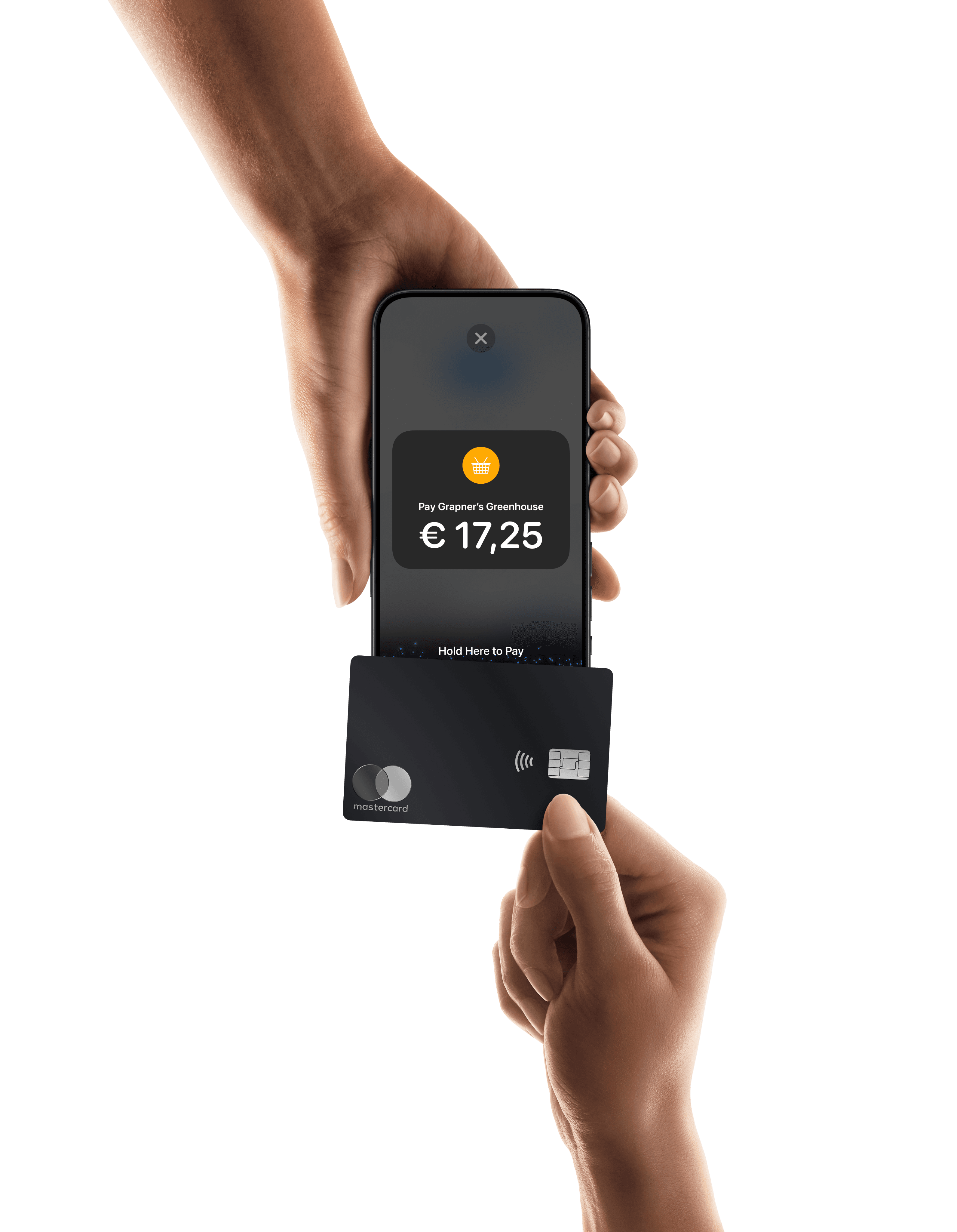
“Even now, POS devices are unreliable and expensive. This is why we now offer an in-person payment terminal and are launching Tap to Pay. Of course, things are becoming more mobile. However, the most significant shift will be personalisation, creating a payment experience tailored to the shopper.
“By operating multiple devices that work in different ways, you can take payments at a checkout, with a self-service machine, or at any point in a store with Tap to Pay. You create much more flexibility and mobility, giving you more time to concentrate on serving customers – in the way they prefer. The in-store payment experience is ripe for disruption. I think that time is now.”
A final look to the future
Iryna leads our payments department here at Mollie. Before that, she spent more than 15 years building cutting-edge payment solutions across Europe, including at Booking.com, FinTech Connect, and Paymentwall. She knows a thing or two about the industry.
What does she think the payment landscape will look like in five years?
“New technologies will create new experiences,” Iryna says. “We’ll see the biggest shift in the offline space, with payments becoming more flexible and personalised. Online, there will be a fairer playing field, with businesses able to use a wider range of payment methods. However, they’ll need to evaluate the best options for their customer base carefully. Understanding every customer’s needs will be more important than ever.”