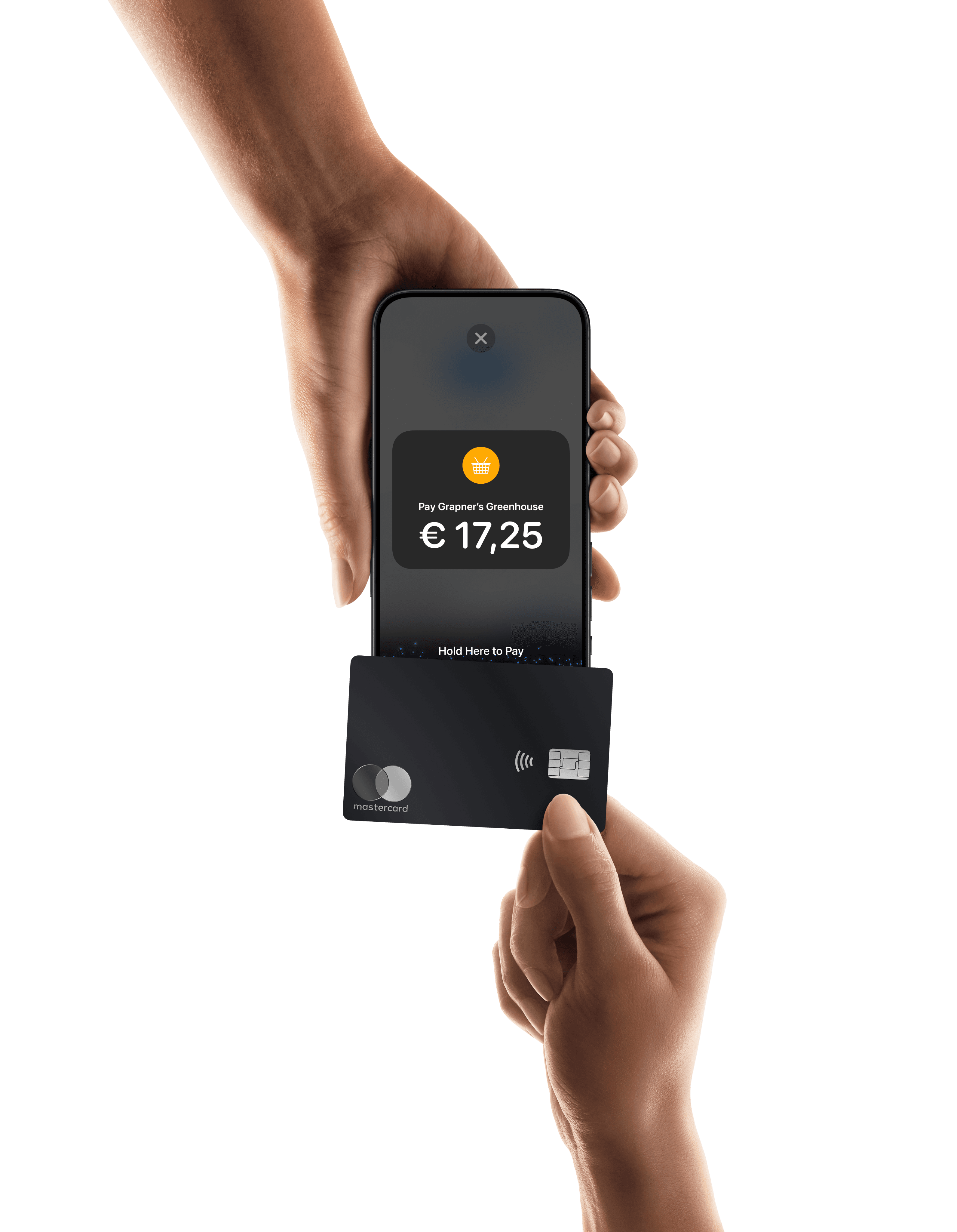

Payment KPIs: The most important metrics in the payment process


Overview: Payment KPIs
Payment KPIs help merchants to measure the success of their payment processing and identify optimization potential
The payment authorization rate, payment acceptance rate and payment conversion rate are particularly important for smooth payment processing
Different business models have different priorities – e-commerce merchants optimize the conversion rate
Choosing the right payment methods can reduce payment defaults and improve the most important payment KPIs
Mollie helps to optimize payment processes so that merchants can monitor and improve their KPIs in real time in the dashboard
Definition: What are payment KPIs?
Payment KPIs (Key Performance Indicators) are metrics that measure the efficiency and success rate of online payments. They show how many payments are successfully completed and where there is room for improvement.
Impact on sales
Every payment that is not successfully processed means a potential loss of revenue. For example:
Initial situation: an online shop has 10,000 transactions per month with an average order value of 50 euros, so potentially 500,000 euros in sales.
Scenario 1: low authorization rate (80 percent): 2,000 payments fail → loss of revenue: 100,000 euros.
Scenario 2: optimized authorization rate (95 percent): only 500 payments fail → 75,000 euros more revenue than with a low authorization rate.
Criteria for payment KPIs
Effective payment KPIs must be SMART: specific, measurable, attractive, relevant and time-phased. They should be regularly reviewed to identify trends early and to make targeted optimizations.
They should also be aligned with a company's specific processes – a high payment acceptance rate is important for marketplaces, while e-commerce retailers are increasingly optimizing their payment conversion rate. Choosing the right KPIs can reduce payment defaults, increase revenue and improve the customer experience.
Take your payment KPIs to the next level with Mollie: Register now
The most important payment KPIs
The most important payments KPIs and their significance at a glance:
Authentication rate: Proportion of payments that have been successfully authenticated.
Authorization rate: Proportion of payments that have been approved by the bank.
Acceptance rate: Proportion of payments actually accepted.
Conversion rate: Proportion of successful payments from all payment attempts.
Chargeback rate: Proportion of transactions that were charged back.
Refund rate: Proportion of payments refunded.
Fraud rate: Proportion of fraudulent payments.
Authentication rate
The payment authentication rate measures the proportion of transactions that were successfully authenticated. A low value for this payment KPI may indicate problems with 3D Secure or other security procedures.
Example calculation:
1,000 transactions, of which 900 are successfully authenticated → authentication rate = 90 percent
Tip: Implementing 3D Secure 2 can help to optimize the payment authentication rate.
Authorization rate
This payment KPI shows how many payments have been approved by the bank. A low payment authorization rate can be caused by invalid card data or limits.
Example calculation:
900 authenticated payments, of which 810 are authorized payments → authorization rate = 90 percent.
Acceptance rate vs. payment conversion rate
The payment acceptance rate and the payment conversion rate are two payment KPIs that are often confused. Both metrics measure the success of payments, but from different perspectives.
What is the payment acceptance rate?
The payment acceptance rate shows the proportion of payments actually accepted in relation to all authorized transactions. It indicates how many payments were successfully processed after authorization.
Example calculation:
810 authenticated payments, of which 770 were authorized payments → acceptance rate = 95 percent
What is the payment conversion rate?
The payment conversion rate measures how many of the total payment attempts actually result in a successful payment – regardless of whether a payment was attempted multiple times.
Example calculation:
1,000 payment attempts, of which 770 were successfully completed → conversion rate = 77 percent
The difference between the two payment KPIs
While the Payment Acceptance Rate shows how many authorized payments were actually processed, the Payment Conversion Rate provides an overview of the entire payment process, including failed attempts.
Example:
A customer tries to pay but is initially rejected due to 3D Secure
On the second attempt, they use a different card and the payment is authorized
This transaction counts as successful in the Payment Acceptance Rate, but the Payment Conversion Rate takes both attempts into account.
Optimization of payment acceptance and conversion rate
A low payment acceptance rate can be caused by failed payments, technical errors or insufficient payment methods.
Measures for improvement:
Offer more payment methods to provide alternative options
Minimize technical errors with a reliable payment platform
Optimize payment fraud prevention to avoid blocking legitimate payments
Mollie offers solutions to optimize both the payment acceptance rate and the payment conversion rate – for maximum payment acceptance and increased revenue.
Other key figures in the payment process
In addition to the central payment KPIs such as payment acceptance rate and payment conversion rate, there are other important metrics that help you to analyze and optimize your payment processes. Each of these indicators provides valuable insights into the efficiency of your transactions and possible weaknesses in the payment process.
Cost per Invoice
The cost per invoice measures the average costs per invoice issued. These include fees for payment transactions, accounting costs and possible reminder fees for late bookings. A low cost per invoice is particularly important for companies with high invoice volumes in order to maintain profitability.
Payment Processing Cost
The payment processing cost describes the total cost of processing transactions. This includes transaction fees, costs for payment service providers and possible currency conversion fees. Reducing these costs through an efficient payment infrastructure can positively influence the payment acceptance rate.
Chargeback rate
The chargeback rate indicates how many transactions were subsequently reversed by the customer. High values indicate potential fraud or customer dissatisfaction. Effective risk management helps to keep the chargeback rate low and thus improve the overall acceptance rate.
Fraud rate
The fraud rate measures the proportion of fraudulent transactions in relation to the total number of payments. A high fraud rate can lead to financial losses and erode trust in the online shop. Modern payment fraud prevention solutions, such as those offered by Mollie, help to reduce the risk of fraud and increase the security of payment processing.
Refund rate
The refund rate indicates the proportion of payments refunded. High refund rates can indicate problems such as inadequate product descriptions, long delivery times or a complicated return policy. Optimized processes can reduce the refund rate, which has a positive effect on the payment conversion rate.
Average Transaction Value (ATV)
The Average Transaction Value (ATV) indicates the average order value per transaction. This key figure is particularly important for sales analysis and strategic pricing. Optimizing the ATV can help increase total sales and improve the efficiency of payment KPIs.
Payment methods in comparison: The right choice for your business model
Choosing the right payment methods has a direct influence on your payment KPIs. Depending on your business model, different metrics play a more important role. While the payment conversion rate is crucial for a digital online shop, marketplaces and B2B providers need to pay particular attention to a high payment acceptance rate.
Which payment method is best for your business model?
E-commerce (fashion, electronics, lifestyle)
Goal: Maximum payment conversion rate
Recommended global payment methods: Apple Pay, Google Pay, PayPal, credit card
Why? Fast, easy payment processes reduce the abandonment rate in the payment checkout.
Subscription models (SaaS, streaming, fitness)
Goal: High authorization rate for recurring payments
Recommended global payment methods: SEPA direct debit, credit card, Klarna
Why? Debits for recurring payments for subscription models must work reliably.
Omnichannel merchants (online & physical store)
Goal: High payment acceptance rate and flexible payment options
Recommended global payment methods: Apple Pay, Google Pay, PayPal, credit card
Why? Customers expect seamless payment across different channels.
Marketplaces & Platforms
Goal: High payment acceptance rate and secure payment routing
Recommended payment methods: PayPal, Klarna, SEPA direct debit
Why? Multiple payment flows need to be processed reliably and securely.
B2B & Wholesale
Goal: High authorization rate & low chargeback ratio
Recommended global payment methods: SEPA direct debit, credit card, Billie
Why? Large transaction amounts require secure and reliable payment methods.
Optimize your payment KPIs with Mollie
Mollie offers various solutions to improve your payment KPIs:
Better authorization rate through optimized routing mechanisms
Higher acceptance rate through diverse payment methods
Lower chargeback rate through intelligent fraud prevention
Higher conversion rate through seamless payment checkout
Case study: Mollie's Acceptance & Risk Tool helped Respire, a cosmetics company, increase its conversion rate by 14.5 percent and reduce failed transactions by 3 percent.
Get started now and optimize your payment KPIs: Sign up with Mollie
Why do payment KPIs differ from country to country?
Payment habits and regulatory requirements vary from country to country. In the Netherlands, iDEAL dominates with a high payment acceptance rate, while in Germany SEPA direct debit is popular, but chargebacks can lower the payment conversion rate. Merchants should therefore adapt their payment methods to regional preferences.
What role does payment routing play in the authorization rate?
Payment routing allows a transaction to be routed through different acquirers to maximize the authorization rate. If a payment is declined, it can be successfully processed by an alternative provider. Smart payment providers like Mollie use this process to minimize payment defaults.
Why can credit card payments be declined despite a high authorization rate?
A payment can be declined even after authorization, for example due to regional restrictions, expired 3D Secure or banks blocking suspicious transactions. Merchants should therefore offer multiple payment methods and use a flexible payment infrastructure to optimize the payment acceptance rate.
Altri aggiornamenti
Le principali tendenze dell'e-commerce nel 2026
Rimani aggiornato con le principali tendenze dell'e-commerce per il 2026. Esplora come l'IA, il social commerce e la personalizzazione stanno plasmando gli acquisti online.
Che cos'è il commercio agentico? Una guida per le aziende europee
Il Commercio Agentico è qui. Scopri come gli assistenti IA come ChatGPT stanno cambiando il modo in cui le persone acquistano, cosa significa per la tua attività e come Mollie sta preparando le aziende europee per il futuro dei pagamenti.
How to prepare your checkout for peak season: 6 tips for merchants
The most important sales period of the year is approaching. Black Friday, Cyber Monday, and the Christmas season are real revenue drivers. We show you how to be prepared.
The rise of ecommerce subscriptions: what you need to know
Subscription payments offer flexibility for consumers and steady revenue for businesses. Mollie simplifies managing and optimizing your subscription strategy.
Rimani aggiornato
Non perdere mai un aggiornamento. Ricevi aggiornamenti sui prodotti, notizie e storie dei clienti direttamente nella tua casella di posta.