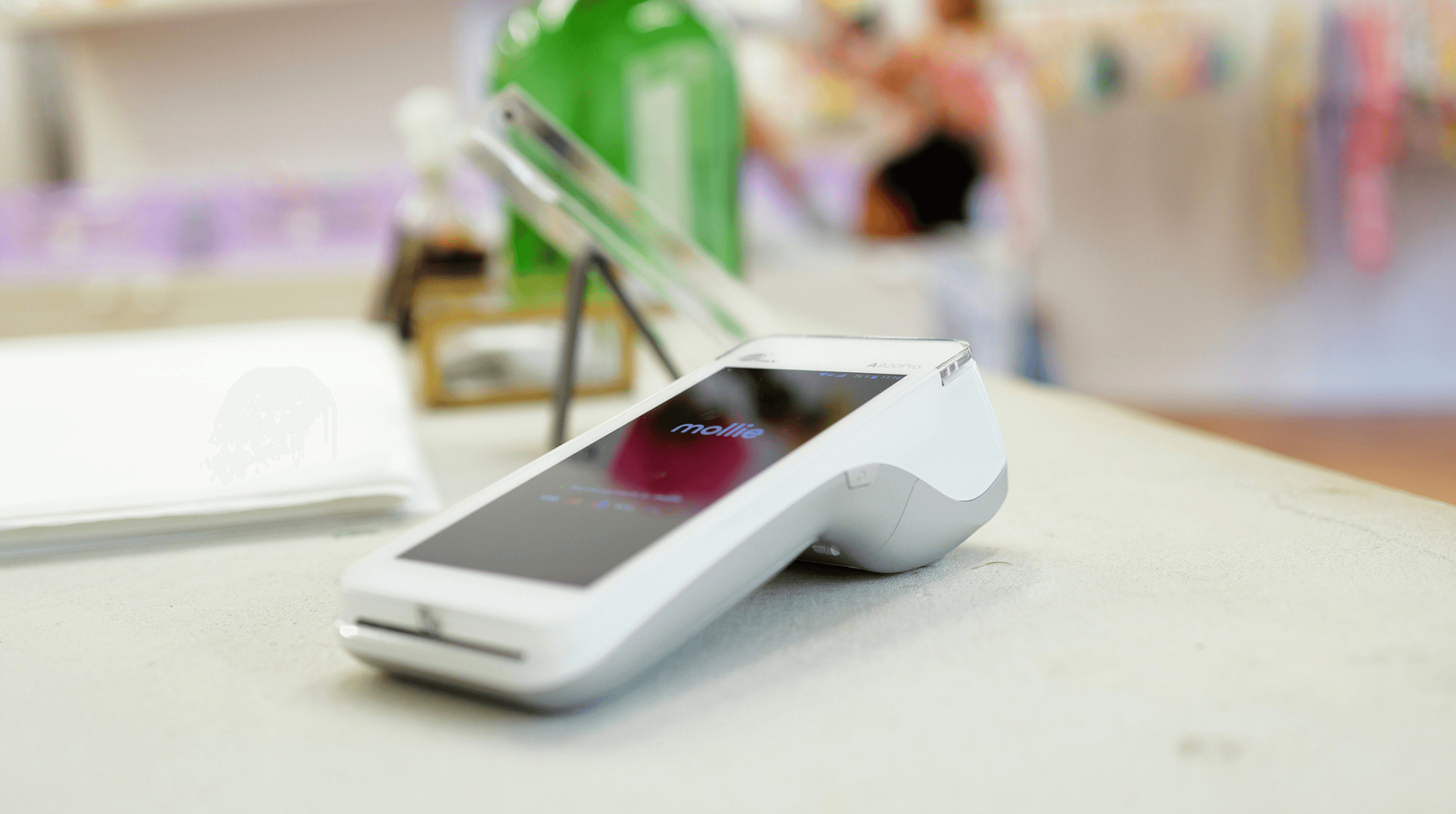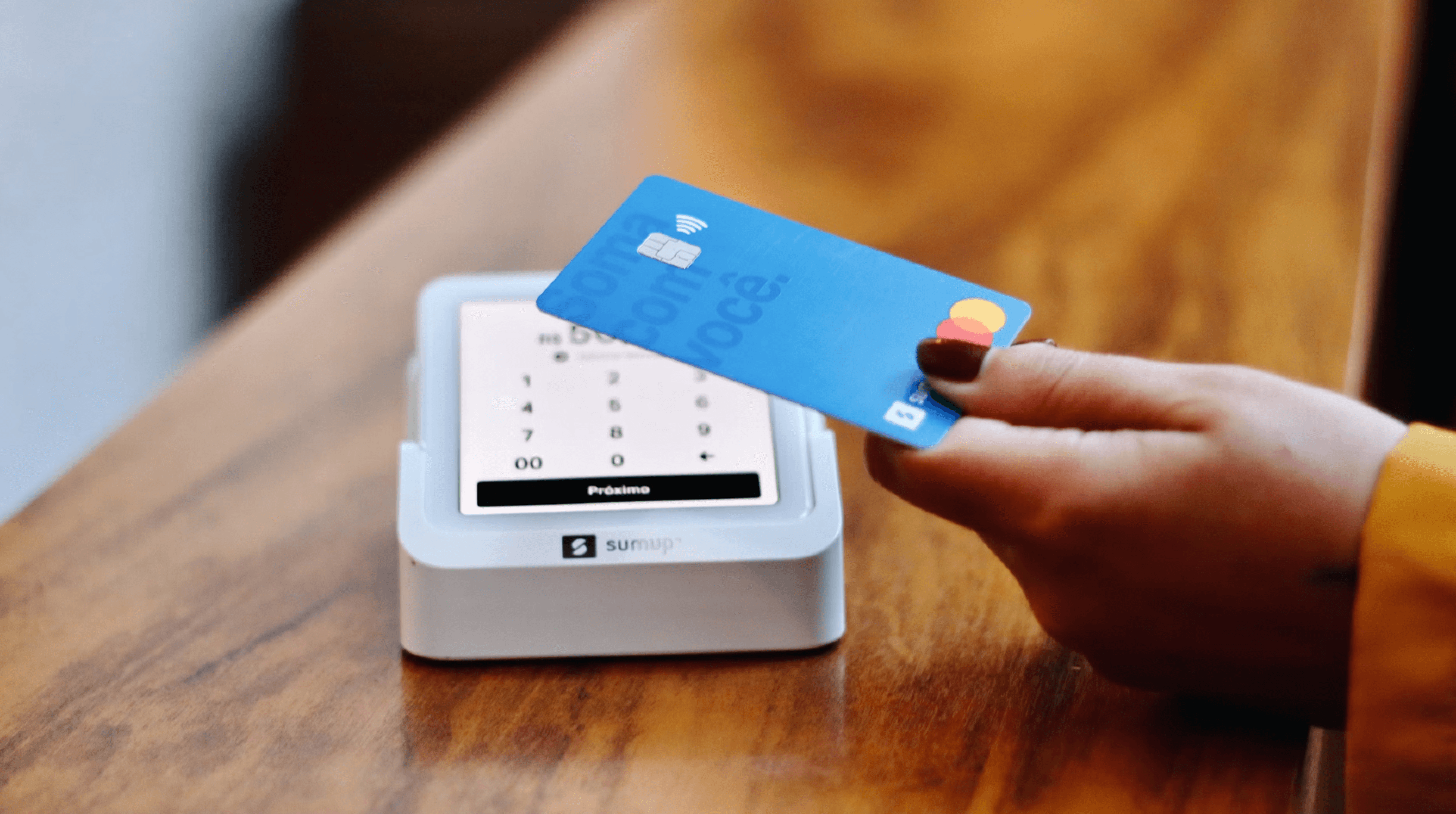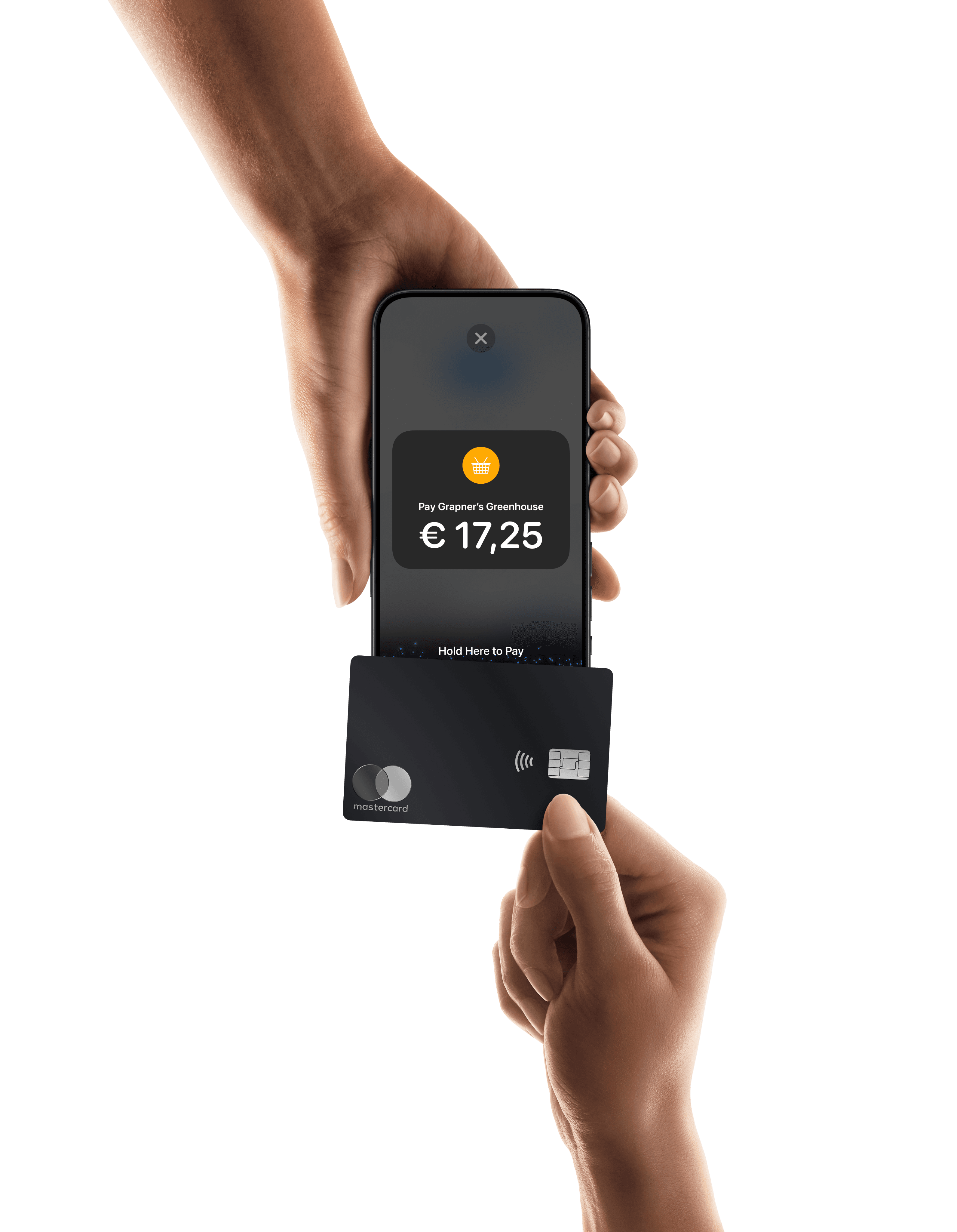

No matter what you sell, having the right card reader or point of sale system (POS) is vital.
Why? Because it makes your customers' payment experience seamless, helping to win sales and build loyalty.
It can also improve efficiency – whether when you're cashing out at the end of the day or managing your revenue.
But, choosing the right setup for your business can be challenging. You need to assess the different options and decide what best suits you.
To help, this article explores these things:
The essential features a card reader or POS system should offer
Different types of card readers and POS solutions (with comparisons)
Guidance on how to choose the best card reader for your business
No matter what you sell, having the right card reader or point of sale system (POS) is vital.
Why? Because it makes your customers' payment experience seamless, helping to win sales and build loyalty.
It can also improve efficiency – whether when you're cashing out at the end of the day or managing your revenue.
But, choosing the right setup for your business can be challenging. You need to assess the different options and decide what best suits you.
To help, this article explores these things:
The essential features a card reader or POS system should offer
Different types of card readers and POS solutions (with comparisons)
Guidance on how to choose the best card reader for your business
No matter what you sell, having the right card reader or point of sale system (POS) is vital.
Why? Because it makes your customers' payment experience seamless, helping to win sales and build loyalty.
It can also improve efficiency – whether when you're cashing out at the end of the day or managing your revenue.
But, choosing the right setup for your business can be challenging. You need to assess the different options and decide what best suits you.
To help, this article explores these things:
The essential features a card reader or POS system should offer
Different types of card readers and POS solutions (with comparisons)
Guidance on how to choose the best card reader for your business
No matter what you sell, having the right card reader or point of sale system (POS) is vital.
Why? Because it makes your customers' payment experience seamless, helping to win sales and build loyalty.
It can also improve efficiency – whether when you're cashing out at the end of the day or managing your revenue.
But, choosing the right setup for your business can be challenging. You need to assess the different options and decide what best suits you.
To help, this article explores these things:
The essential features a card reader or POS system should offer
Different types of card readers and POS solutions (with comparisons)
Guidance on how to choose the best card reader for your business