
Agentic commerce: your questions answered

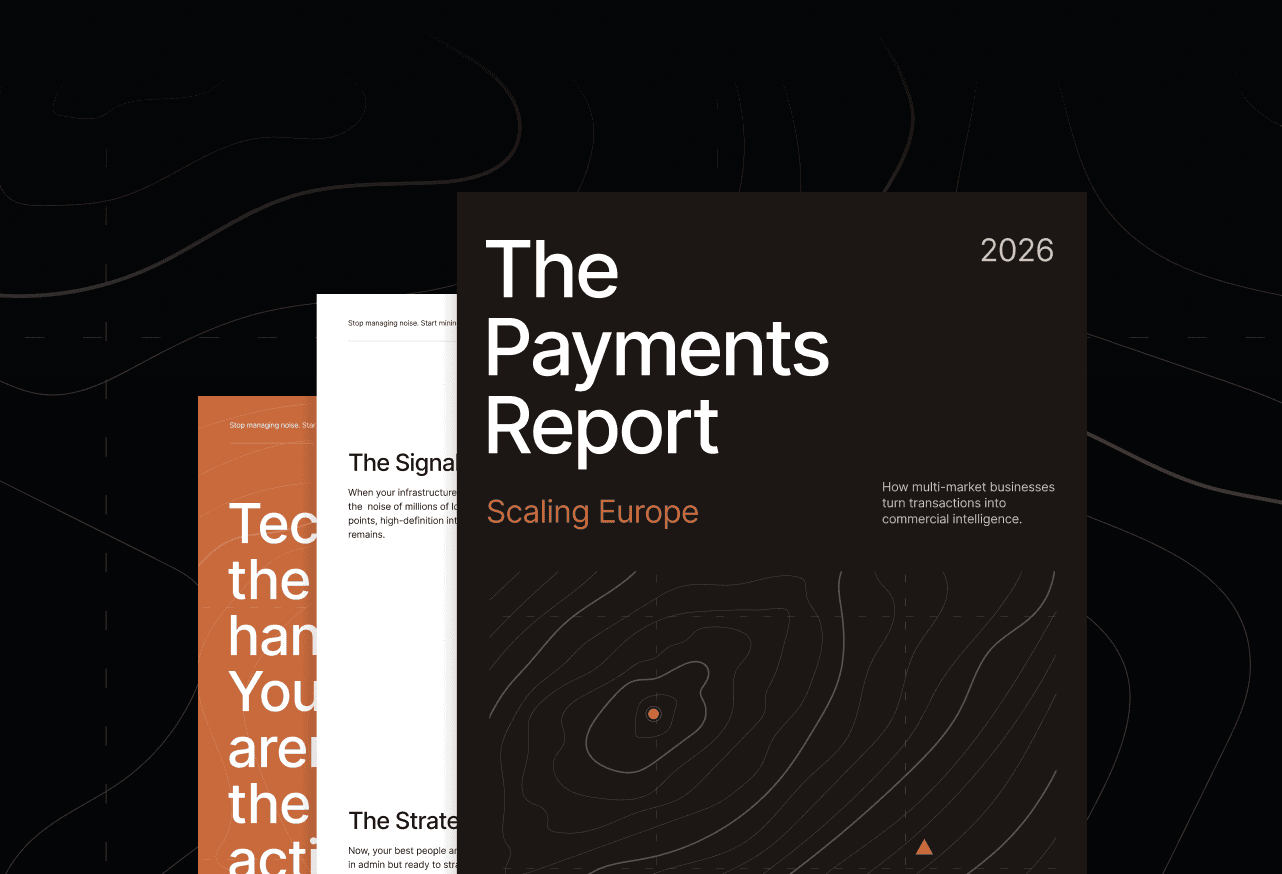
Our payment infrastructure is ready for the future of AI sales. Now, read our expert guide to prepare for the agentic commerce era.

Our payment infrastructure is ready for the future of AI sales. Now, read our expert guide to prepare for the agentic commerce era.

2025. gada 18. dec.

Agentic commerce isn’t just a concept – it’s live in the US and will launch in Europe soon. For your business, this shift changes the rules of customer discovery and conversion.

You’ve almost certainly heard the hype. Now, you need practical, strategic answers about what it means for your business.

In this guide, we answer the most pressing questions on competing protocols, payment security, and what this channel really means for European growth.

Looking for a more basic definition? Go to our article ‘what is agentic commerce?

Agentic commerce isn’t just a concept – it’s live in the US and will launch in Europe soon. For your business, this shift changes the rules of customer discovery and conversion.

You’ve almost certainly heard the hype. Now, you need practical, strategic answers about what it means for your business.

In this guide, we answer the most pressing questions on competing protocols, payment security, and what this channel really means for European growth.

Looking for a more basic definition? Go to our article ‘what is agentic commerce?

Agentic commerce isn’t just a concept – it’s live in the US and will launch in Europe soon. For your business, this shift changes the rules of customer discovery and conversion.

You’ve almost certainly heard the hype. Now, you need practical, strategic answers about what it means for your business.

In this guide, we answer the most pressing questions on competing protocols, payment security, and what this channel really means for European growth.

Looking for a more basic definition? Go to our article ‘what is agentic commerce?

Agentic commerce isn’t just a concept – it’s live in the US and will launch in Europe soon. For your business, this shift changes the rules of customer discovery and conversion.

You’ve almost certainly heard the hype. Now, you need practical, strategic answers about what it means for your business.

In this guide, we answer the most pressing questions on competing protocols, payment security, and what this channel really means for European growth.

Looking for a more basic definition? Go to our article ‘what is agentic commerce?

What are the competing agentic commerce protocols?

For payments to happen securely inside an AI conversation, everyone needs to follow a standard set of rules. This is where payment protocols come in. 

Currently, two major players are defining this new landscape: ACP and AP2.

What is ACP (Agentic Commerce Protocol)?

The Agentic Commerce Protocol (ACP) is the standard created by OpenAI and Stripe.

  • Status: It’s the pragmatic, first-mover protocol, and is live today in the US within ChatGPT.

  • Focus: ACP enables human-present (assisted shopping) flows, allowing a customer to complete a purchase securely within their conversation with an AI agent.

  • Our strategy: We recognise ACP as the immediate first mover. Our engineering teams have already made Mollie compatible with ACP’s Delegated Payment API, ensuring our customers can get paid through ChatGPT as soon as it launches in Europe.

What is AP2 (Agent Payments Protocol 2)?

The Agent Payments Protocol 2 (AP2) is a separate, future-focused standard developed by Google and a large consortium of partners (including Mollie).

  • Status: It’s a design for the future and isn’t yet live.

  • Focus: AP2 was designed to support human-absent (delegated shopping) flows from day one. This means the AI can act fully on the customer’s behalf to complete a purchase based on a pre-approved mandate (e.g., “Buy me new coffee beans when I run out”). It will also support assisted shopping, 

  • Our strategy: We’re an active partner in the AP2 consortium, helping shape a standard that serves long-term European needs for flexibility and security.

ACP vs. AP2: Key differences at a glance

Feature

ACP (Agentic Commerce Protocol)

AP2 (Agent Payments Protocol 2)

Status

Live (in the US)

Future-focused (not yet live)

Primary goal

Primarily designed for human-present (assisted) flows

Designed for both human-absent (delegated) and human-present (assisted) flows

Analogy

A personal shopper helping a customer find and buy items

A personal shopper completes a purchase independently

Key players

OpenAI / Stripe (Mollie is compatible with ACP as soon as it launches in Europe)

Google / Partners (including Mollie)

For payments to happen securely inside an AI conversation, everyone needs to follow a standard set of rules. This is where payment protocols come in. 

Currently, two major players are defining this new landscape: ACP and AP2.

What is ACP (Agentic Commerce Protocol)?

The Agentic Commerce Protocol (ACP) is the standard created by OpenAI and Stripe.

  • Status: It’s the pragmatic, first-mover protocol, and is live today in the US within ChatGPT.

  • Focus: ACP enables human-present (assisted shopping) flows, allowing a customer to complete a purchase securely within their conversation with an AI agent.

  • Our strategy: We recognise ACP as the immediate first mover. Our engineering teams have already made Mollie compatible with ACP’s Delegated Payment API, ensuring our customers can get paid through ChatGPT as soon as it launches in Europe.

What is AP2 (Agent Payments Protocol 2)?

The Agent Payments Protocol 2 (AP2) is a separate, future-focused standard developed by Google and a large consortium of partners (including Mollie).

  • Status: It’s a design for the future and isn’t yet live.

  • Focus: AP2 was designed to support human-absent (delegated shopping) flows from day one. This means the AI can act fully on the customer’s behalf to complete a purchase based on a pre-approved mandate (e.g., “Buy me new coffee beans when I run out”). It will also support assisted shopping, 

  • Our strategy: We’re an active partner in the AP2 consortium, helping shape a standard that serves long-term European needs for flexibility and security.

ACP vs. AP2: Key differences at a glance

Feature

ACP (Agentic Commerce Protocol)

AP2 (Agent Payments Protocol 2)

Status

Live (in the US)

Future-focused (not yet live)

Primary goal

Primarily designed for human-present (assisted) flows

Designed for both human-absent (delegated) and human-present (assisted) flows

Analogy

A personal shopper helping a customer find and buy items

A personal shopper completes a purchase independently

Key players

OpenAI / Stripe (Mollie is compatible with ACP as soon as it launches in Europe)

Google / Partners (including Mollie)

For payments to happen securely inside an AI conversation, everyone needs to follow a standard set of rules. This is where payment protocols come in. 

Currently, two major players are defining this new landscape: ACP and AP2.

What is ACP (Agentic Commerce Protocol)?

The Agentic Commerce Protocol (ACP) is the standard created by OpenAI and Stripe.

  • Status: It’s the pragmatic, first-mover protocol, and is live today in the US within ChatGPT.

  • Focus: ACP enables human-present (assisted shopping) flows, allowing a customer to complete a purchase securely within their conversation with an AI agent.

  • Our strategy: We recognise ACP as the immediate first mover. Our engineering teams have already made Mollie compatible with ACP’s Delegated Payment API, ensuring our customers can get paid through ChatGPT as soon as it launches in Europe.

What is AP2 (Agent Payments Protocol 2)?

The Agent Payments Protocol 2 (AP2) is a separate, future-focused standard developed by Google and a large consortium of partners (including Mollie).

  • Status: It’s a design for the future and isn’t yet live.

  • Focus: AP2 was designed to support human-absent (delegated shopping) flows from day one. This means the AI can act fully on the customer’s behalf to complete a purchase based on a pre-approved mandate (e.g., “Buy me new coffee beans when I run out”). It will also support assisted shopping, 

  • Our strategy: We’re an active partner in the AP2 consortium, helping shape a standard that serves long-term European needs for flexibility and security.

ACP vs. AP2: Key differences at a glance

Feature

ACP (Agentic Commerce Protocol)

AP2 (Agent Payments Protocol 2)

Status

Live (in the US)

Future-focused (not yet live)

Primary goal

Primarily designed for human-present (assisted) flows

Designed for both human-absent (delegated) and human-present (assisted) flows

Analogy

A personal shopper helping a customer find and buy items

A personal shopper completes a purchase independently

Key players

OpenAI / Stripe (Mollie is compatible with ACP as soon as it launches in Europe)

Google / Partners (including Mollie)

For payments to happen securely inside an AI conversation, everyone needs to follow a standard set of rules. This is where payment protocols come in. 

Currently, two major players are defining this new landscape: ACP and AP2.

What is ACP (Agentic Commerce Protocol)?

The Agentic Commerce Protocol (ACP) is the standard created by OpenAI and Stripe.

  • Status: It’s the pragmatic, first-mover protocol, and is live today in the US within ChatGPT.

  • Focus: ACP enables human-present (assisted shopping) flows, allowing a customer to complete a purchase securely within their conversation with an AI agent.

  • Our strategy: We recognise ACP as the immediate first mover. Our engineering teams have already made Mollie compatible with ACP’s Delegated Payment API, ensuring our customers can get paid through ChatGPT as soon as it launches in Europe.

What is AP2 (Agent Payments Protocol 2)?

The Agent Payments Protocol 2 (AP2) is a separate, future-focused standard developed by Google and a large consortium of partners (including Mollie).

  • Status: It’s a design for the future and isn’t yet live.

  • Focus: AP2 was designed to support human-absent (delegated shopping) flows from day one. This means the AI can act fully on the customer’s behalf to complete a purchase based on a pre-approved mandate (e.g., “Buy me new coffee beans when I run out”). It will also support assisted shopping, 

  • Our strategy: We’re an active partner in the AP2 consortium, helping shape a standard that serves long-term European needs for flexibility and security.

ACP vs. AP2: Key differences at a glance

Feature

ACP (Agentic Commerce Protocol)

AP2 (Agent Payments Protocol 2)

Status

Live (in the US)

Future-focused (not yet live)

Primary goal

Primarily designed for human-present (assisted) flows

Designed for both human-absent (delegated) and human-present (assisted) flows

Analogy

A personal shopper helping a customer find and buy items

A personal shopper completes a purchase independently

Key players

OpenAI / Stripe (Mollie is compatible with ACP as soon as it launches in Europe)

Google / Partners (including Mollie)

What does the agentic ecosystem look like?

Agentic commerce doesn’t happen in a single place. It’s a new, complex ecosystem that operates through a chain of AI systems interacting with your business systems.

There are three key layers:

  • The consumer agent (the buyer): This is the AI assistant (like an advanced version of ChatGPT or Google Assistant) that the customer interacts with. Its job is to understand the customer’s complex request (e.g., "Find me a sustainable, size 10, waterproof rain jacket for under €150") and turn it into actionable steps.

  • The protocol (the translator): This is the set of rules (like ACP and AP2) that allows the consumer agent to securely and programmatically communicate with your business’s back-end systems. It standardises how product data is requested and how a secure payment is initiated.

  • The merchant system (the seller): This is your API-first architecture, which exposes machine-readable data on your products, stock levels, pricing, and policies. Your system must be ready to receive a request from the agent (via the protocol) and process a secure, tokenised payment through a payment partner like Mollie.

Mollie sits at the intersection of the protocol and the payment processing layer, ensuring that when the agent makes a purchase your business gets paid securely and compliantly.

Agentic commerce doesn’t happen in a single place. It’s a new, complex ecosystem that operates through a chain of AI systems interacting with your business systems.

There are three key layers:

  • The consumer agent (the buyer): This is the AI assistant (like an advanced version of ChatGPT or Google Assistant) that the customer interacts with. Its job is to understand the customer’s complex request (e.g., "Find me a sustainable, size 10, waterproof rain jacket for under €150") and turn it into actionable steps.

  • The protocol (the translator): This is the set of rules (like ACP and AP2) that allows the consumer agent to securely and programmatically communicate with your business’s back-end systems. It standardises how product data is requested and how a secure payment is initiated.

  • The merchant system (the seller): This is your API-first architecture, which exposes machine-readable data on your products, stock levels, pricing, and policies. Your system must be ready to receive a request from the agent (via the protocol) and process a secure, tokenised payment through a payment partner like Mollie.

Mollie sits at the intersection of the protocol and the payment processing layer, ensuring that when the agent makes a purchase your business gets paid securely and compliantly.

Agentic commerce doesn’t happen in a single place. It’s a new, complex ecosystem that operates through a chain of AI systems interacting with your business systems.

There are three key layers:

  • The consumer agent (the buyer): This is the AI assistant (like an advanced version of ChatGPT or Google Assistant) that the customer interacts with. Its job is to understand the customer’s complex request (e.g., "Find me a sustainable, size 10, waterproof rain jacket for under €150") and turn it into actionable steps.

  • The protocol (the translator): This is the set of rules (like ACP and AP2) that allows the consumer agent to securely and programmatically communicate with your business’s back-end systems. It standardises how product data is requested and how a secure payment is initiated.

  • The merchant system (the seller): This is your API-first architecture, which exposes machine-readable data on your products, stock levels, pricing, and policies. Your system must be ready to receive a request from the agent (via the protocol) and process a secure, tokenised payment through a payment partner like Mollie.

Mollie sits at the intersection of the protocol and the payment processing layer, ensuring that when the agent makes a purchase your business gets paid securely and compliantly.

Agentic commerce doesn’t happen in a single place. It’s a new, complex ecosystem that operates through a chain of AI systems interacting with your business systems.

There are three key layers:

  • The consumer agent (the buyer): This is the AI assistant (like an advanced version of ChatGPT or Google Assistant) that the customer interacts with. Its job is to understand the customer’s complex request (e.g., "Find me a sustainable, size 10, waterproof rain jacket for under €150") and turn it into actionable steps.

  • The protocol (the translator): This is the set of rules (like ACP and AP2) that allows the consumer agent to securely and programmatically communicate with your business’s back-end systems. It standardises how product data is requested and how a secure payment is initiated.

  • The merchant system (the seller): This is your API-first architecture, which exposes machine-readable data on your products, stock levels, pricing, and policies. Your system must be ready to receive a request from the agent (via the protocol) and process a secure, tokenised payment through a payment partner like Mollie.

Mollie sits at the intersection of the protocol and the payment processing layer, ensuring that when the agent makes a purchase your business gets paid securely and compliantly.

How does agentic commerce differ from traditional ecommerce?

In the traditional ecommerce model, the human shopper does the heavy lifting. They research, compare, and decide. Your website’s job is simply to help a human find what they’re looking for (or suggest things they might like). 

With agentic commerce, that dynamic flips.

  • In assisted flows: The shopper delegates the legwork. The AI researches, filters, and presents the best options, but the human makes the final decision.

  • In delegated flows: The shopper delegates the decision. The AI acts on its own to buy on the user's behalf based on pre-set rules.

In both scenarios, the ‘customer’ browsing your store is software. This transfer of agency is the critical shift – it’s why your business needs to be prepared to talk to an AI’s API, as well as a human browser (as not all customers will want to use agentic commerce).

Aspect

Traditional ecommerce

Agentic commerce (delegated and assisted flow)

The buyer

The human is the decision-maker and executor.

Delegated flow: The AI Agent is the decision-maker and executor.


Assisted flow: The AI curates options, the human decides and approves.

The journey

Manual navigation: Search → Browse → Compare → Click → Checkout.

Delegated flow: Goal → Agent research → Agent decision → Purchase.


Assisted flow: Goal → AI research & curation → human selection → Purchase.

Visibility

Design-focused: Winning with SEO, advertising, and a beautiful website.

Data-focused: Winning with clean, structured, real-time API data that is machine-readable.

Customer friction

High: manual input of shipping/payment details, multiple steps.

Ultra-low: Tokenised payment in a single conversational step (assisted) or zero steps (delegated).

In the traditional ecommerce model, the human shopper does the heavy lifting. They research, compare, and decide. Your website’s job is simply to help a human find what they’re looking for (or suggest things they might like). 

With agentic commerce, that dynamic flips.

  • In assisted flows: The shopper delegates the legwork. The AI researches, filters, and presents the best options, but the human makes the final decision.

  • In delegated flows: The shopper delegates the decision. The AI acts on its own to buy on the user's behalf based on pre-set rules.

In both scenarios, the ‘customer’ browsing your store is software. This transfer of agency is the critical shift – it’s why your business needs to be prepared to talk to an AI’s API, as well as a human browser (as not all customers will want to use agentic commerce).

Aspect

Traditional ecommerce

Agentic commerce (delegated and assisted flow)

The buyer

The human is the decision-maker and executor.

Delegated flow: The AI Agent is the decision-maker and executor.


Assisted flow: The AI curates options, the human decides and approves.

The journey

Manual navigation: Search → Browse → Compare → Click → Checkout.

Delegated flow: Goal → Agent research → Agent decision → Purchase.


Assisted flow: Goal → AI research & curation → human selection → Purchase.

Visibility

Design-focused: Winning with SEO, advertising, and a beautiful website.

Data-focused: Winning with clean, structured, real-time API data that is machine-readable.

Customer friction

High: manual input of shipping/payment details, multiple steps.

Ultra-low: Tokenised payment in a single conversational step (assisted) or zero steps (delegated).

In the traditional ecommerce model, the human shopper does the heavy lifting. They research, compare, and decide. Your website’s job is simply to help a human find what they’re looking for (or suggest things they might like). 

With agentic commerce, that dynamic flips.

  • In assisted flows: The shopper delegates the legwork. The AI researches, filters, and presents the best options, but the human makes the final decision.

  • In delegated flows: The shopper delegates the decision. The AI acts on its own to buy on the user's behalf based on pre-set rules.

In both scenarios, the ‘customer’ browsing your store is software. This transfer of agency is the critical shift – it’s why your business needs to be prepared to talk to an AI’s API, as well as a human browser (as not all customers will want to use agentic commerce).

Aspect

Traditional ecommerce

Agentic commerce (delegated and assisted flow)

The buyer

The human is the decision-maker and executor.

Delegated flow: The AI Agent is the decision-maker and executor.


Assisted flow: The AI curates options, the human decides and approves.

The journey

Manual navigation: Search → Browse → Compare → Click → Checkout.

Delegated flow: Goal → Agent research → Agent decision → Purchase.


Assisted flow: Goal → AI research & curation → human selection → Purchase.

Visibility

Design-focused: Winning with SEO, advertising, and a beautiful website.

Data-focused: Winning with clean, structured, real-time API data that is machine-readable.

Customer friction

High: manual input of shipping/payment details, multiple steps.

Ultra-low: Tokenised payment in a single conversational step (assisted) or zero steps (delegated).

In the traditional ecommerce model, the human shopper does the heavy lifting. They research, compare, and decide. Your website’s job is simply to help a human find what they’re looking for (or suggest things they might like). 

With agentic commerce, that dynamic flips.

  • In assisted flows: The shopper delegates the legwork. The AI researches, filters, and presents the best options, but the human makes the final decision.

  • In delegated flows: The shopper delegates the decision. The AI acts on its own to buy on the user's behalf based on pre-set rules.

In both scenarios, the ‘customer’ browsing your store is software. This transfer of agency is the critical shift – it’s why your business needs to be prepared to talk to an AI’s API, as well as a human browser (as not all customers will want to use agentic commerce).

Aspect

Traditional ecommerce

Agentic commerce (delegated and assisted flow)

The buyer

The human is the decision-maker and executor.

Delegated flow: The AI Agent is the decision-maker and executor.


Assisted flow: The AI curates options, the human decides and approves.

The journey

Manual navigation: Search → Browse → Compare → Click → Checkout.

Delegated flow: Goal → Agent research → Agent decision → Purchase.


Assisted flow: Goal → AI research & curation → human selection → Purchase.

Visibility

Design-focused: Winning with SEO, advertising, and a beautiful website.

Data-focused: Winning with clean, structured, real-time API data that is machine-readable.

Customer friction

High: manual input of shipping/payment details, multiple steps.

Ultra-low: Tokenised payment in a single conversational step (assisted) or zero steps (delegated).

What are agentic commerce use cases and opportunities?

Agentic commerce isn’t just a new channel, it’s a more efficient way to connect supply and demand. Here’s just a taste of what it offers:

  • New reach: AI agents operate on platforms used by millions of users (like ChatGPT and Google Assistant), opening up entirely new sales opportunities for your business.

  • Smarter product discovery: AI agents act as hyper-intelligent personal shoppers. They can match your products with highly specific, complex customer queries instantly (e.g., “Find me a sustainable, size 10, waterproof rain jacket for under €150 and order it.”).

  • Faster conversion: The entire customer journey, from search to product discovery to purchase, happens fluidly within a single conversation. This significantly reduces checkout friction and drop-off rates compared to traditional, multi-step ecommerce paths.

  • Simpler checkout: With tokenised payments, the customer never has to enter payment or shipping details, making the purchase lightning-fast.

Agentic commerce isn’t just a new channel, it’s a more efficient way to connect supply and demand. Here’s just a taste of what it offers:

  • New reach: AI agents operate on platforms used by millions of users (like ChatGPT and Google Assistant), opening up entirely new sales opportunities for your business.

  • Smarter product discovery: AI agents act as hyper-intelligent personal shoppers. They can match your products with highly specific, complex customer queries instantly (e.g., “Find me a sustainable, size 10, waterproof rain jacket for under €150 and order it.”).

  • Faster conversion: The entire customer journey, from search to product discovery to purchase, happens fluidly within a single conversation. This significantly reduces checkout friction and drop-off rates compared to traditional, multi-step ecommerce paths.

  • Simpler checkout: With tokenised payments, the customer never has to enter payment or shipping details, making the purchase lightning-fast.

Agentic commerce isn’t just a new channel, it’s a more efficient way to connect supply and demand. Here’s just a taste of what it offers:

  • New reach: AI agents operate on platforms used by millions of users (like ChatGPT and Google Assistant), opening up entirely new sales opportunities for your business.

  • Smarter product discovery: AI agents act as hyper-intelligent personal shoppers. They can match your products with highly specific, complex customer queries instantly (e.g., “Find me a sustainable, size 10, waterproof rain jacket for under €150 and order it.”).

  • Faster conversion: The entire customer journey, from search to product discovery to purchase, happens fluidly within a single conversation. This significantly reduces checkout friction and drop-off rates compared to traditional, multi-step ecommerce paths.

  • Simpler checkout: With tokenised payments, the customer never has to enter payment or shipping details, making the purchase lightning-fast.

Agentic commerce isn’t just a new channel, it’s a more efficient way to connect supply and demand. Here’s just a taste of what it offers:

  • New reach: AI agents operate on platforms used by millions of users (like ChatGPT and Google Assistant), opening up entirely new sales opportunities for your business.

  • Smarter product discovery: AI agents act as hyper-intelligent personal shoppers. They can match your products with highly specific, complex customer queries instantly (e.g., “Find me a sustainable, size 10, waterproof rain jacket for under €150 and order it.”).

  • Faster conversion: The entire customer journey, from search to product discovery to purchase, happens fluidly within a single conversation. This significantly reduces checkout friction and drop-off rates compared to traditional, multi-step ecommerce paths.

  • Simpler checkout: With tokenised payments, the customer never has to enter payment or shipping details, making the purchase lightning-fast.

How do I prepare for agentic commerce’s core challenges?

Agentic commerce introduces two strategic challenges your business must prepare for. Building trust means being transparent about the required shift.

The brand and retention challenge

In traditional ecommerce, you own the full customer journey. In agentic commerce, your customer acquisition is outsourced to an AI. That first sale, executed by a bot, is impersonal by default.

Your most critical challenge will be converting that first-time AI-acquired customer into a loyal direct customer with a real post-sale relationship. Your customer service, fulfilment, and post-purchase experience will be more vital than ever for long-term value.

The technical preparation challenge

To be ‘found’ and have your products purchased by an AI agent, your business information must be machine-readable.

This means all crucial business information must be accessible via APIs, not just as text on your website. This includes product descriptions, stock levels, and sizing. But it also includes your trust signals: your return windows, shipping guarantees, and refund policies. An agent can’t read your FAQ page – it needs to verify your return policy via API before it commits its user’s money. This is the single most important architectural decision you can make today to ensure your business can sell on this new channel.

Agentic commerce introduces two strategic challenges your business must prepare for. Building trust means being transparent about the required shift.

The brand and retention challenge

In traditional ecommerce, you own the full customer journey. In agentic commerce, your customer acquisition is outsourced to an AI. That first sale, executed by a bot, is impersonal by default.

Your most critical challenge will be converting that first-time AI-acquired customer into a loyal direct customer with a real post-sale relationship. Your customer service, fulfilment, and post-purchase experience will be more vital than ever for long-term value.

The technical preparation challenge

To be ‘found’ and have your products purchased by an AI agent, your business information must be machine-readable.

This means all crucial business information must be accessible via APIs, not just as text on your website. This includes product descriptions, stock levels, and sizing. But it also includes your trust signals: your return windows, shipping guarantees, and refund policies. An agent can’t read your FAQ page – it needs to verify your return policy via API before it commits its user’s money. This is the single most important architectural decision you can make today to ensure your business can sell on this new channel.

Agentic commerce introduces two strategic challenges your business must prepare for. Building trust means being transparent about the required shift.

The brand and retention challenge

In traditional ecommerce, you own the full customer journey. In agentic commerce, your customer acquisition is outsourced to an AI. That first sale, executed by a bot, is impersonal by default.

Your most critical challenge will be converting that first-time AI-acquired customer into a loyal direct customer with a real post-sale relationship. Your customer service, fulfilment, and post-purchase experience will be more vital than ever for long-term value.

The technical preparation challenge

To be ‘found’ and have your products purchased by an AI agent, your business information must be machine-readable.

This means all crucial business information must be accessible via APIs, not just as text on your website. This includes product descriptions, stock levels, and sizing. But it also includes your trust signals: your return windows, shipping guarantees, and refund policies. An agent can’t read your FAQ page – it needs to verify your return policy via API before it commits its user’s money. This is the single most important architectural decision you can make today to ensure your business can sell on this new channel.

Agentic commerce introduces two strategic challenges your business must prepare for. Building trust means being transparent about the required shift.

The brand and retention challenge

In traditional ecommerce, you own the full customer journey. In agentic commerce, your customer acquisition is outsourced to an AI. That first sale, executed by a bot, is impersonal by default.

Your most critical challenge will be converting that first-time AI-acquired customer into a loyal direct customer with a real post-sale relationship. Your customer service, fulfilment, and post-purchase experience will be more vital than ever for long-term value.

The technical preparation challenge

To be ‘found’ and have your products purchased by an AI agent, your business information must be machine-readable.

This means all crucial business information must be accessible via APIs, not just as text on your website. This includes product descriptions, stock levels, and sizing. But it also includes your trust signals: your return windows, shipping guarantees, and refund policies. An agent can’t read your FAQ page – it needs to verify your return policy via API before it commits its user’s money. This is the single most important architectural decision you can make today to ensure your business can sell on this new channel.

How does agentic commerce change security and fraud?

The shift to agentic commerce has kicked off a new AI arms race. Your defence must be as dynamic as the latest threats.

New AI-driven fraud threats

Fraudsters will use AI to create new threats to businesses.

  • New fraud patterns: Fraud patterns will now emerge in minutes, not months, making old, static rule-based detection systems obsolete.

  • Believable fake behaviour: Malicious bots can execute highly believable fake customer behaviours at scale, making it difficult to distinguish real customers from automated attackers.

The real-time defence imperative

You need to delegate your real-time defence to your payment partner. Mollie is addressing this by:

  1. Tokenisation: Using the Shared Payment Token system ensures raw payment data is never exposed.

  2. Adaptive models:  We combine two layers of defence. First, our own AI models – trained on millions of European transactions – detect fraud patterns in real time. Second, we integrate risk scores and behavioural indicators provided directly by the AI platforms. This allows us to verify the identity behind the transaction, not just the card number.

The shift to agentic commerce has kicked off a new AI arms race. Your defence must be as dynamic as the latest threats.

New AI-driven fraud threats

Fraudsters will use AI to create new threats to businesses.

  • New fraud patterns: Fraud patterns will now emerge in minutes, not months, making old, static rule-based detection systems obsolete.

  • Believable fake behaviour: Malicious bots can execute highly believable fake customer behaviours at scale, making it difficult to distinguish real customers from automated attackers.

The real-time defence imperative

You need to delegate your real-time defence to your payment partner. Mollie is addressing this by:

  1. Tokenisation: Using the Shared Payment Token system ensures raw payment data is never exposed.

  2. Adaptive models:  We combine two layers of defence. First, our own AI models – trained on millions of European transactions – detect fraud patterns in real time. Second, we integrate risk scores and behavioural indicators provided directly by the AI platforms. This allows us to verify the identity behind the transaction, not just the card number.

The shift to agentic commerce has kicked off a new AI arms race. Your defence must be as dynamic as the latest threats.

New AI-driven fraud threats

Fraudsters will use AI to create new threats to businesses.

  • New fraud patterns: Fraud patterns will now emerge in minutes, not months, making old, static rule-based detection systems obsolete.

  • Believable fake behaviour: Malicious bots can execute highly believable fake customer behaviours at scale, making it difficult to distinguish real customers from automated attackers.

The real-time defence imperative

You need to delegate your real-time defence to your payment partner. Mollie is addressing this by:

  1. Tokenisation: Using the Shared Payment Token system ensures raw payment data is never exposed.

  2. Adaptive models:  We combine two layers of defence. First, our own AI models – trained on millions of European transactions – detect fraud patterns in real time. Second, we integrate risk scores and behavioural indicators provided directly by the AI platforms. This allows us to verify the identity behind the transaction, not just the card number.

The shift to agentic commerce has kicked off a new AI arms race. Your defence must be as dynamic as the latest threats.

New AI-driven fraud threats

Fraudsters will use AI to create new threats to businesses.

  • New fraud patterns: Fraud patterns will now emerge in minutes, not months, making old, static rule-based detection systems obsolete.

  • Believable fake behaviour: Malicious bots can execute highly believable fake customer behaviours at scale, making it difficult to distinguish real customers from automated attackers.

The real-time defence imperative

You need to delegate your real-time defence to your payment partner. Mollie is addressing this by:

  1. Tokenisation: Using the Shared Payment Token system ensures raw payment data is never exposed.

  2. Adaptive models:  We combine two layers of defence. First, our own AI models – trained on millions of European transactions – detect fraud patterns in real time. Second, we integrate risk scores and behavioural indicators provided directly by the AI platforms. This allows us to verify the identity behind the transaction, not just the card number.

How do agentic commerce payments work?

The agentic commerce payment process relies on tokenisation. This ensures the transaction is secure and that the AI assistant never touches sensitive data.

A secure, token-based payment flow

Agentic commerce payments are highly secure and rely on tokenisation:

  1. No sharing of raw data: The customer’s raw payment details (like their card number) are never shared with the AI assistant or the business.

  2. Token generation: The payment provider (like Mollie) generates a secure, single-use, scoped Shared Payment Token for the transaction.

  3. Payment processing: This token is what the AI agent passes to the business's system to complete the transaction.

This system ensures that all European compliance requirements, including Strong Customer Authentication (SCA), remain in place while maintaining transaction security and customer trust.

Why local payment methods are the key to unlocking Europe

The current protocol standards are initially US-centric and support only global, card-based methods (Apple Pay, Google Pay, Cards). This model is incomplete for European success. A Dutch customer expects iDEAL; a Belgian customer expects Bancontact. Forcing them to use a card in a chat is not frictionless – it is a critical point of failure.

Our core mission is to represent the needs of European businesses and help ensure these new global protocols support the local payment methods your customers actually use and trust. 

How can a local payment method (like iDEAL) even work in a chat?

Honestly, this is a tough one. Solving the complex user experience for bank redirects and app-to-app-based payments within a conversational chat interface won’t be easy, and it’s one of our top priorities.

Our product and engineering teams are actively designing and testing solutions to streamline this flow, ensuring the process remains secure, compliant, and – most importantly – effortless for the end user.

What is Mollie’s strategy for agentic commerce?

The agentic commerce landscape can appear complex, but your payments don’t have to be. 

Our pragmatic, two-part protocol plan

Your customers shouldn’t need to be experts in competing protocols. We handle that for you by offering a simple, unified path to selling through AI:

  • Focus on ACP readiness: We’re implementing ACP support now because it’s the live standard. Our working ACP demo proves our infrastructure is ready, ensuring you’re prepared to get paid from day one.

  • Shape the future with AP2: We’re an active partner in the AP2 consortium, collaborating with Google to help shape a future-proof standard that serves European needs.

Ready for a whole new frontier?

The agentic commerce landscape is new, dynamic, and complex.

Mollie’s strategy is clear: we handle the complexity.

That includes the technical complexity of competing standards and the development of the necessary solutions for European localisation. 

Our payment infrastructure is ready today. And our focus is on helping you get paid – on every channel.

Want to join us in this new frontier? Explore online payments with Mollie.

Vairāk atjauninājumu

Paliec informēts

Nekad nepalaid garām atjauninājumus. Saņemiet produktu atjauninājumus, ziņas un klientu stāstus tieši savā iesūtnē.

Paliec informēts

Nekad nepalaid garām atjauninājumus. Saņemiet produktu atjauninājumus, ziņas un klientu stāstus tieši savā iesūtnē.

Savienojiet katru maksājumu. Uzlabojiet katru sava uzņēmuma daļu.

Nekad nepalaid garām atjauninājumus. Saņemiet produktu atjauninājumus, ziņas un klientu stāstus tieši savā iesūtnē.

Paliec informēts

Nekad nepalaid garām atjauninājumus. Saņemiet produktu atjauninājumus, ziņas un klientu stāstus tieši savā iesūtnē.

Form fields
Form fields
Form fields
Form fields

Satura rādītājs

Satura rādītājs

Satura rādītājs

Satura rādītājs

MollieIzaugsmeAgentic commerce: your questions answered