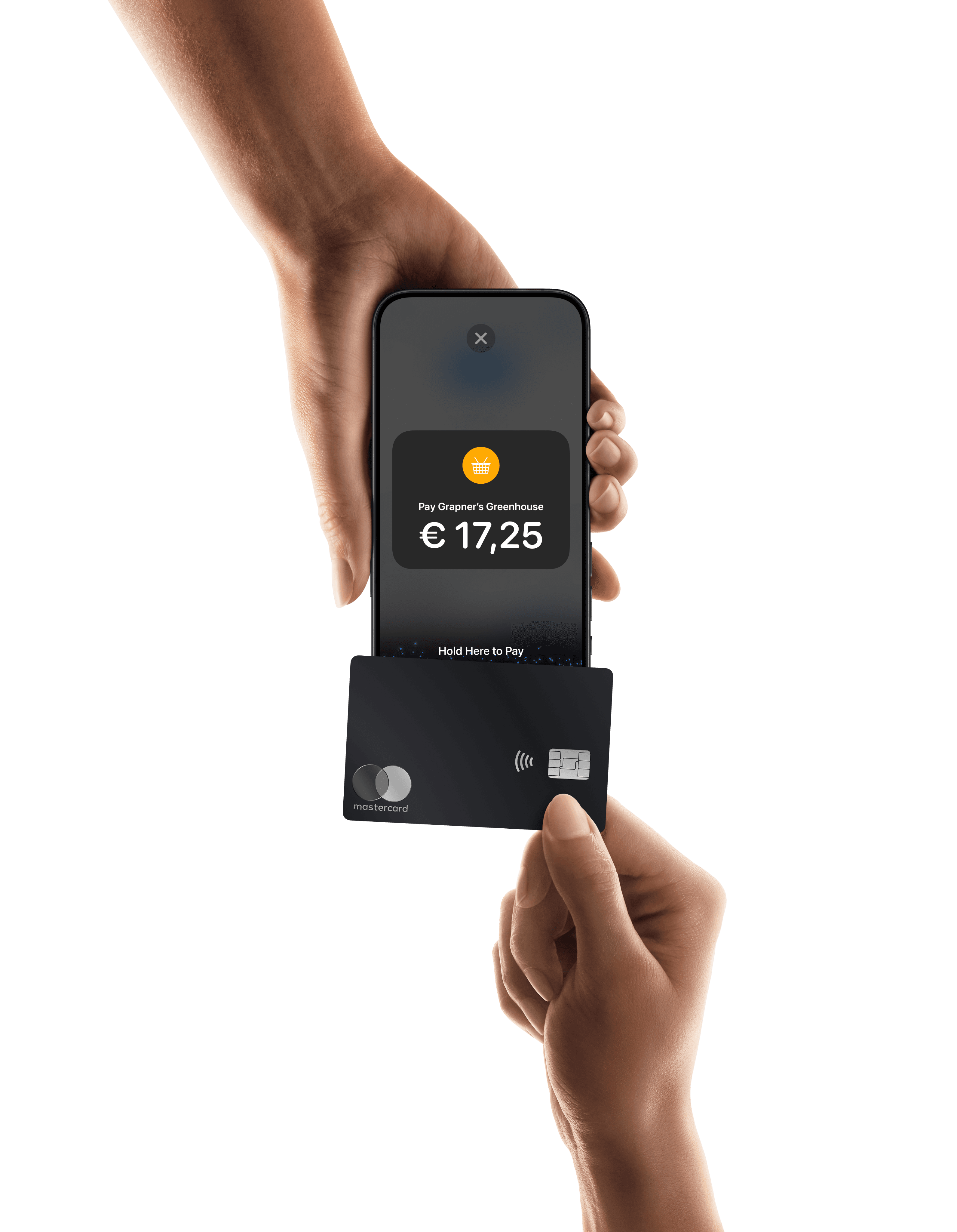
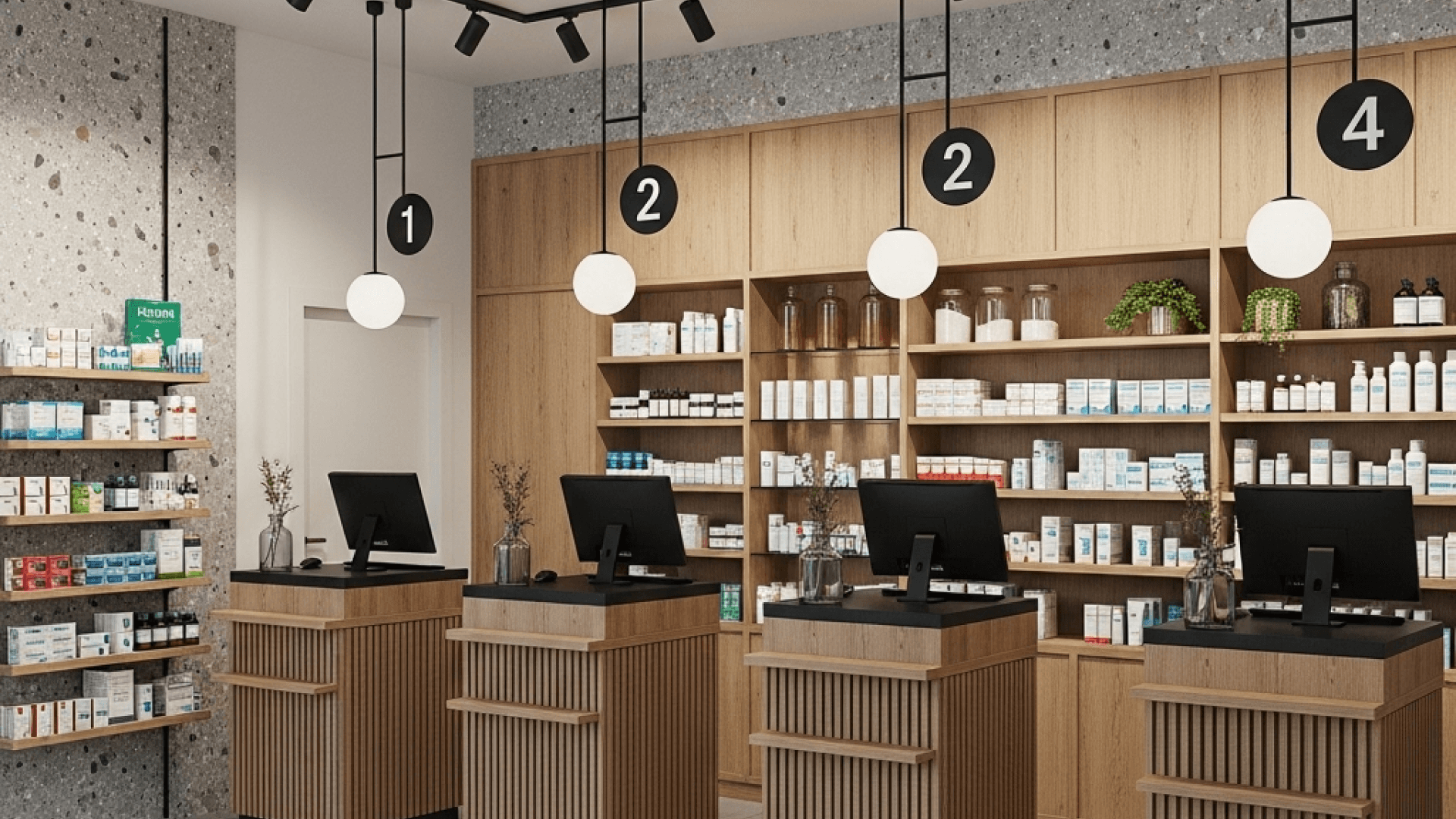
At its core, a retail payment system is the technology that allows your business to accept money from customers for goods or services. This might sound simple, but the reality is far more nuanced.
It encompasses everything from the physical retail card payment machines you use in your shop to the sophisticated software that processes transactions on your website.
It needs to be robust, secure, and adaptable. However, in reality, what often happens is retailers start with a basic setup and then, as they grow, they find themselves patching together disparate systems, leading to fragmented data, reconciliation nightmares, and a poor customer experience.
A truly effective retail payment system unifies these different channels, simplifying operations and providing a consistent experience whether a customer is paying online, in person, or through a mobile app.
Payment processes for online stores
Accepting payments for an online store is often the first step many retailers take in exploring more complex payment solutions. Setting up a ‘buy now’ button is the first step towards creating a secure, user-friendly checkout experience that minimises abandoned carts and maximises conversions.
When you take payments on your online store, you’re dealing with a few key components:
Payment gateway
The payment gateway is the digital equivalent of a card machine. It securely transmits transaction information from your website to the payment processor.
Payment processor
The payment processor is the company that handles the actual transaction, moving funds from the customer’s bank to your business bank account.
Merchant account
The merchant account is a special bank account that temporarily holds funds from credit and debit card sales before they are settled into your primary business account.
The ideal setup allows your customers to pay using their preferred method – credit cards, debit cards, digital wallets like Apple Pay or Google Pay, or even local payment methods specific to certain regions.
Generally, the more options you offer, the more likely a customer is to complete their purchase. The smoother and more intuitive this process is, the better your conversion rates will be.
Payment systems for supermarkets
Supermarkets operate on a scale few other retail businesses do, handling thousands of transactions daily. A supermarket payment system needs to be fast, reliable, and capable of processing a huge volume of diverse payment methods, including contactless payments, gift cards, loyalty points and more.
For a supermarket, a robust grocery payment options system is paramount. This includes:
High-speed POS terminals: Efficiency at checkout is crucial. Long queues are a surefire way to lose customers.
Integration with inventory and loyalty programmes: A good system seamlessly links sales data with stock management and customer loyalty schemes, providing valuable insights and a better customer experience.
Multiple payment methods: From traditional credit and debit cards to mobile payments and even benefits programmes, the system must support a wide array of supermarket payment methods to cater to every shopper.
Slow or unreliable payment systems can cripple a supermarket, especially during peak hours. Investment in a cutting-edge payment solution here isn’t just about convenience; it’s about maintaining operational efficiency and customer satisfaction, on or offline.
Payment solutions for healthcare companies
Healthcare companies, including pharmacies, have unique needs when it comes to payment systems. Beyond standard retail requirements, there’s an added layer of compliance and sensitivity around patient data. Pharmacypayments need to be processed quickly and accurately, often integrating with prescription management systems.
For healthcare providers, key considerations include:
Security and compliance: Adhering to strict data protection regulations (like GDPR) is non-negotiable. Payment systems must be PCI DSS compliant and ensure patient privacy.
Seamless integration: Pharmacy payments often require integration with electronic health records (EHRs) and billing systems to streamline administration and ensure accurate invoicing for services and prescriptions.
Flexible payment options: Patients might need to pay for prescriptions, appointments, or medical devices. Offering various payment methods, including online payment portals for invoices, improves the patient experience.
Fashion industry payment solutions
The fashion industry thrives on seamless customer experiences, both online and in-store. Fashion industry payment solutions need to be as stylish and efficient as the brands themselves. This sector often sees high transaction values and a strong emphasis on brand experience.
Key aspects for fashion retailers include:
Omnichannel payments: Customers expect to browse online, try in-store, and pay using any method they choose. Payments need to be consistent across all channels.
Flexible payment methods like BNPL: Offering flexibility at the checkout is a proven way to increase conversion rates and boost average order value, as it makes aspirational purchases feel more attainable. Buy now, pay later (BNPL) continues to grow in popularity.
Returns and refunds: A smooth returns process is crucial in the fashion industry. The payment system should facilitate effortless processing of refunds and exchanges for both customers and businesses.
International payments: Many fashion brands operate globally, requiring systems that can handle multiple currencies and international payment methods.
Gift cards and loyalty programmes: Fashion payment methods often include the redemption of gift cards and integration with loyalty schemes to foster repeat business.
Fashion brands often see a significant uplift in customer satisfaction (and sales) simply by streamlining their checkout process and offering more flexible payment options. It’s all part of the premium experience.
The importance of omnichannel payments in retail
What is omnichannel retail? In simple terms, it means providing a consistent and integrated customer experience across all touchpoints – online, in-store, mobile, social media, and more. For retail omnichannel, this translates directly to payments.
Imagine a customer browsing your online store, adding an item to their cart, then visiting your physical shop to pay for that item, without having to re-enter their details. Or buying a gift card online that can be redeemed in your bricks-and-mortar store. This is the power of omnichannel payments. It breaks down the silos between your sales channels, creating a unified view of your customer and their journey.
When all your payment data flows into one central system, reconciliation becomes a breeze, customer service improves, and you gain invaluable insights into purchasing behaviour. It truly transforms payments from a necessary evil into a strategic asset.
Mollie for Retail SaaS Platforms and Integration Partners
Beyond working directly with retailers, Mollie also collaborates with software companies that create solutions for the retail industry, such as POS system providers, ecommerce platform developers, and inventory management software vendors.
Connect for Platforms by Mollie enables SaaS providers to integrate Mollie’s payment processing seamlessly into their solutions. This allows you to offer your retail clients a fully branded, integrated payment experience, whether they sell in-store, online, or across multiple channels.
Benefits of Mollie Connect for SaaS platforms in Retail:
Added value: Provide an essential feature for your retail customers.
New revenue streams: Share in transaction revenue by enabling payments.
Enhanced user experience: Keep retailers within your platform for every part of the sales process, including payments and checkout.
Simplified onboarding: Quickly and easily onboard your merchants to start accepting payments.
Hassle-free maintenance: Mollie manages payment complexities (compliance, security, new methods) so you can stay focused on improving your SaaS offering.
Final thoughts
In retail, friendly service and quality products are important, but it’s vital that the payment process just works, whether it’s at the register, online checkout, or through a mobile app.
When payments are fully integrated into your retail systems, these moments become effortless and invisible, letting your customers shop the way they want. That’s the experience we strive to deliver at Mollie.
Whatever kind of retail business you run, ask yourself: Are your payments driving sales and loyalty, or standing in the way?
For supermarkets, healthcare and fashion: Explore Mollie’s payment solutions for your retail business
For SaaS platforms & developers: Discover Mollie Connect for platforms