
Социалните медии вече са оживен пазар, а всяка платформа предлага уникален набор от правила, купувачи и най-добри места за продажба. В електронната търговия познаването на най-добрите платформи, на които да се установите и да продавате, може да означава разликата между процъфтяващ бизнес и такъв, който се губи в тълпата.
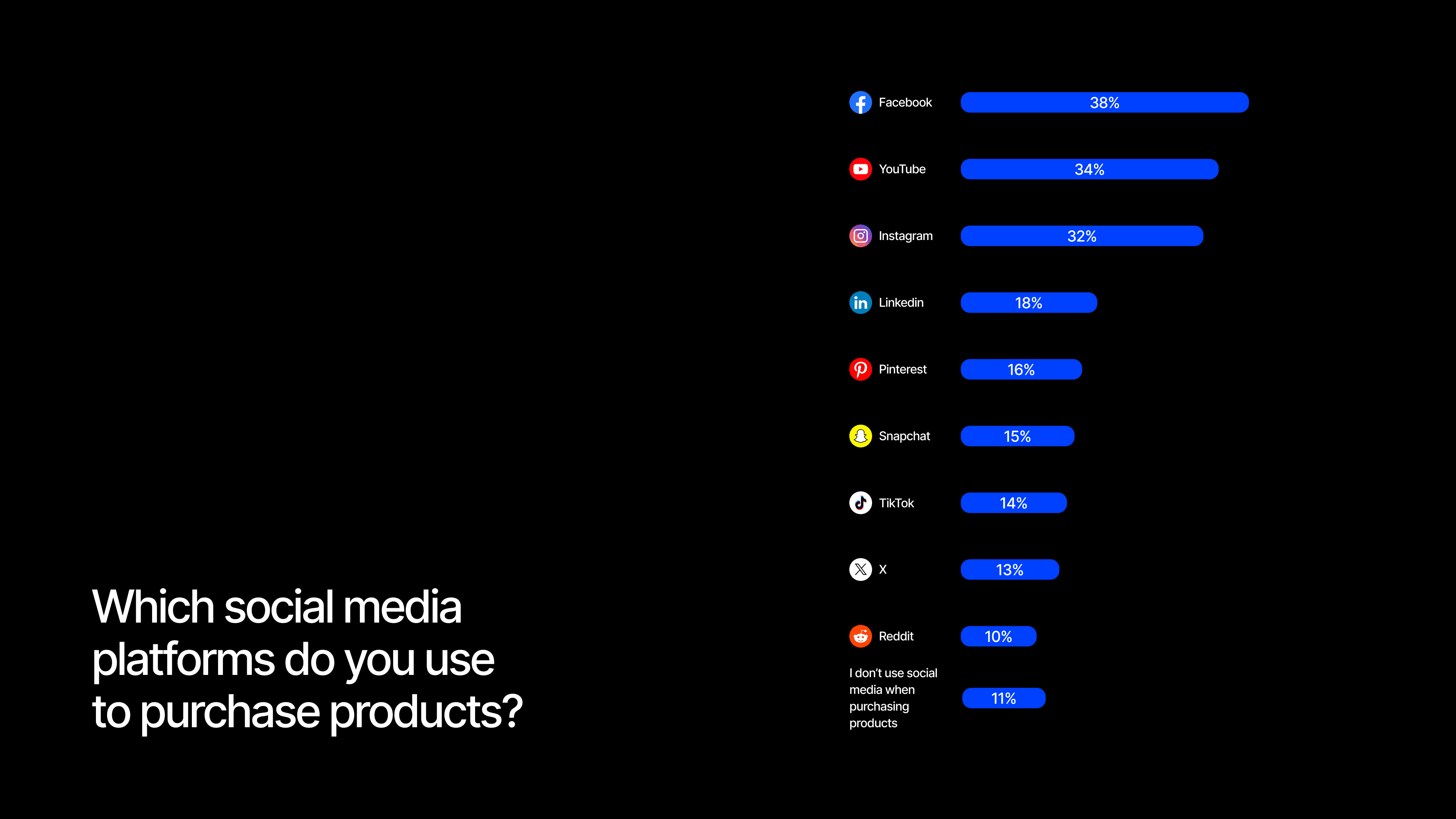
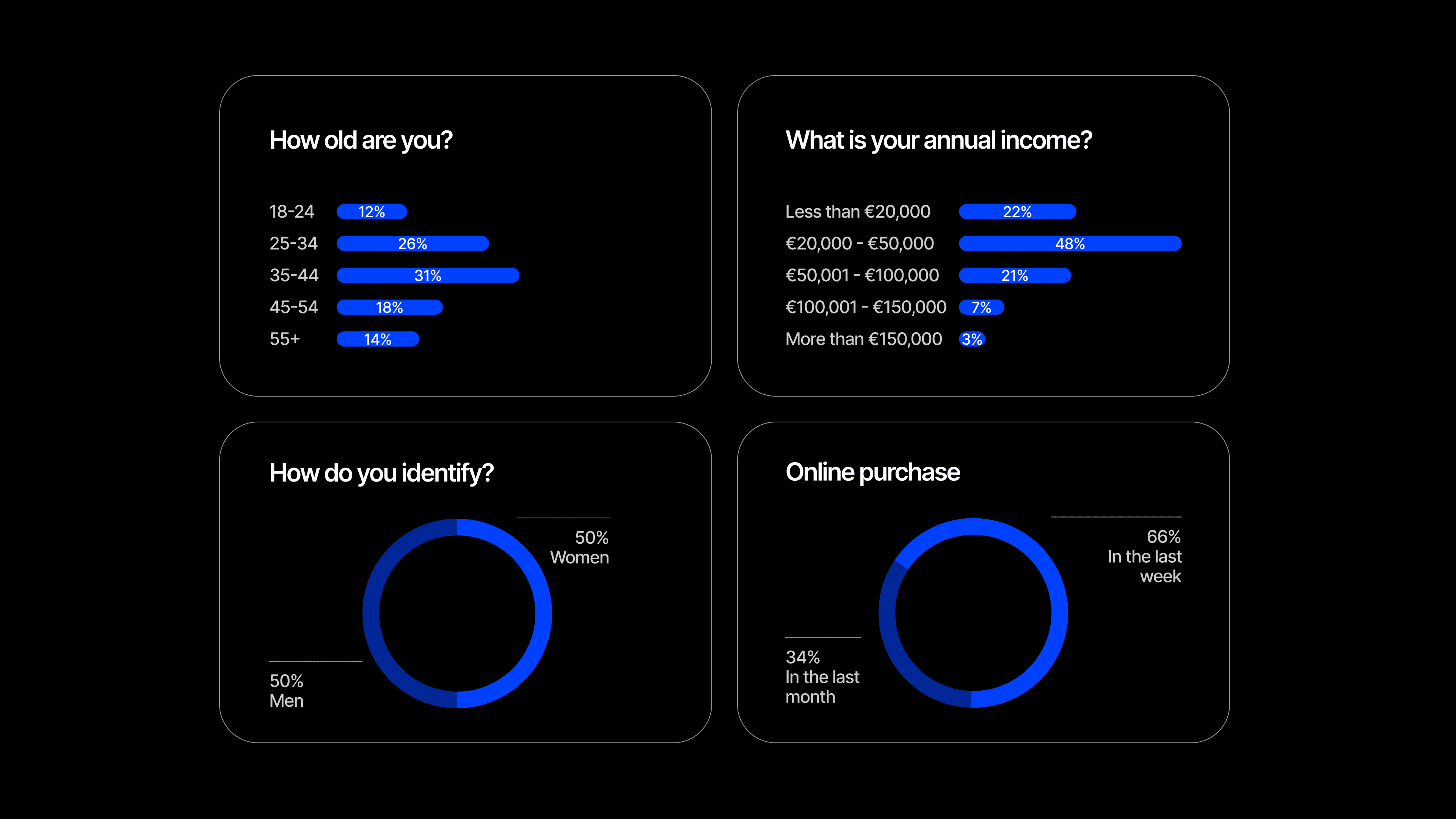
За да ви помогнем да се ориентирате в този дигитален пазар, попитахме 10 000 европейски потребители да посочат любимите си платформи в социалните медии за проучване и покупка на продукти и услуги.
В тази статия разглеждаме социалните продажби, социалната търговия и най-добрите социални медии за електронна търговия. Също така споделяме практични съвети, които да ви помогнат да изградите лоялност и да продавате повече в социалните платформи.
Социалните медии вече са оживен пазар, а всяка платформа предлага уникален набор от правила, купувачи и най-добри места за продажба. В електронната търговия познаването на най-добрите платформи, на които да се установите и да продавате, може да означава разликата между процъфтяващ бизнес и такъв, който се губи в тълпата.
За да ви помогнем да се ориентирате в този дигитален пазар, попитахме 10 000 европейски потребители да посочат любимите си платформи в социалните медии за проучване и покупка на продукти и услуги.
В тази статия разглеждаме социалните продажби, социалната търговия и най-добрите социални медии за електронна търговия. Също така споделяме практични съвети, които да ви помогнат да изградите лоялност и да продавате повече в социалните платформи.
Социалните медии вече са оживен пазар, а всяка платформа предлага уникален набор от правила, купувачи и най-добри места за продажба. В електронната търговия познаването на най-добрите платформи, на които да се установите и да продавате, може да означава разликата между процъфтяващ бизнес и такъв, който се губи в тълпата.
За да ви помогнем да се ориентирате в този дигитален пазар, попитахме 10 000 европейски потребители да посочат любимите си платформи в социалните медии за проучване и покупка на продукти и услуги.
В тази статия разглеждаме социалните продажби, социалната търговия и най-добрите социални медии за електронна търговия. Също така споделяме практични съвети, които да ви помогнат да изградите лоялност и да продавате повече в социалните платформи.
Социалните медии вече са оживен пазар, а всяка платформа предлага уникален набор от правила, купувачи и най-добри места за продажба. В електронната търговия познаването на най-добрите платформи, на които да се установите и да продавате, може да означава разликата между процъфтяващ бизнес и такъв, който се губи в тълпата.
За да ви помогнем да се ориентирате в този дигитален пазар, попитахме 10 000 европейски потребители да посочат любимите си платформи в социалните медии за проучване и покупка на продукти и услуги.
В тази статия разглеждаме социалните продажби, социалната търговия и най-добрите социални медии за електронна търговия. Също така споделяме практични съвети, които да ви помогнат да изградите лоялност и да продавате повече в социалните платформи.