How payments work for the food and beverage industry

Discover how restaurant payment technology works — and how integrated, secure systems help food and beverage businesses run more smoothly.

Discover how restaurant payment technology works — and how integrated, secure systems help food and beverage businesses run more smoothly.

Blog banner food anf beverage

It’s 8:42 pm on a Friday. Table seven wants to split the bill three ways. The card reader’s dropped connection again. Your kitchen’s slammed, someone’s just walked off without paying, and you’re pretty sure the delivery tablet just froze.

Welcome to restaurant payments.

They should be simple. They should just work. But too often, they’re stitched together, unreliable, and stressful, not just for customers, but for your team, too.

As Anthony Bourdain once said, “Luck is not a business model.” Yet when it comes to payments, many food and beverage businesses are still running on hope, not systems.

This guide will explore how modern restaurant payment technology works, what matters most across different business types, and how to make your setup faster, safer, and smoother.

What is restaurant payment processing?

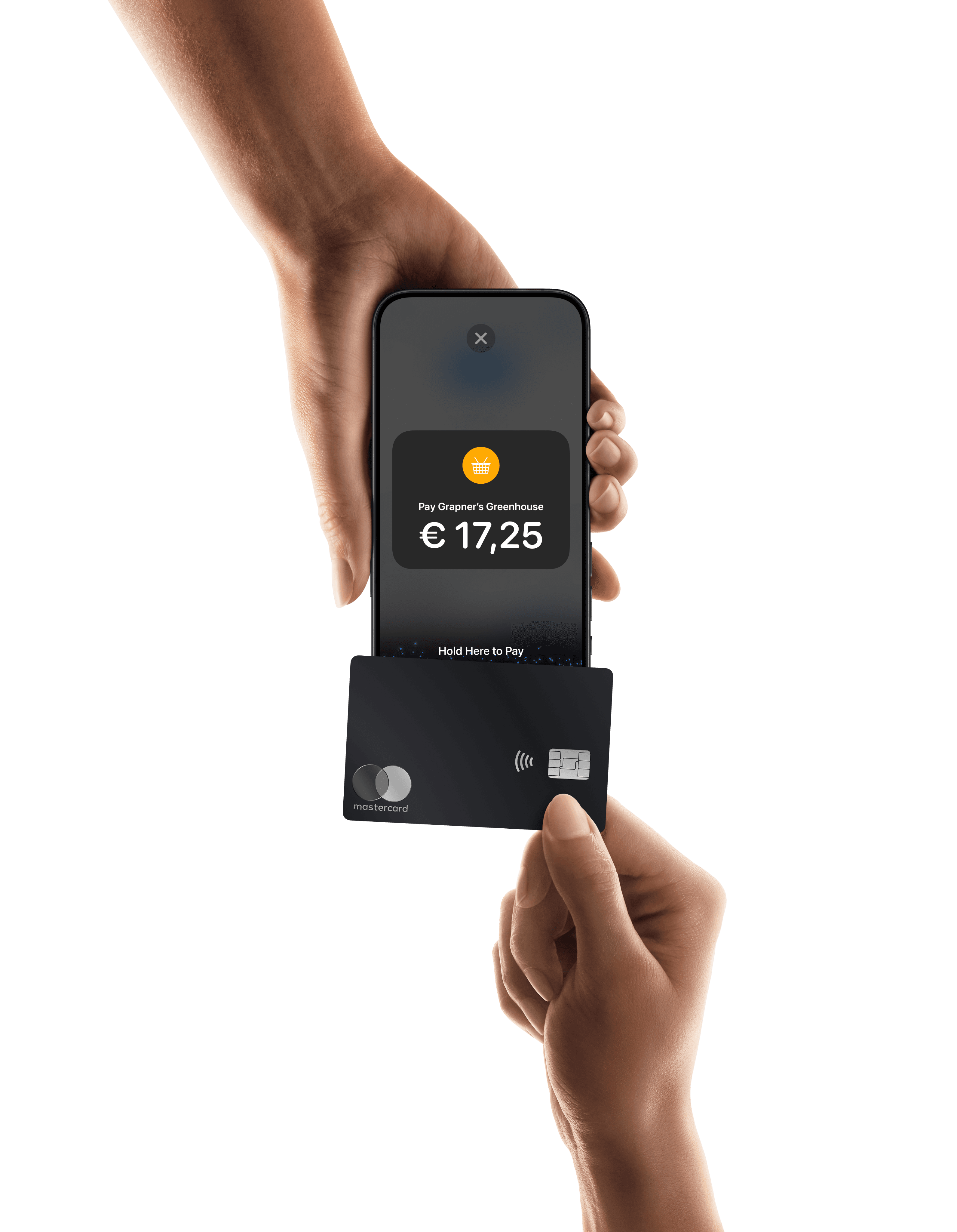
When a customer taps to pay, a lot happens behind the scenes. First, their payment information is securely transmitted through a payment gateway and then routed via the card network to the customer’s bank (the issuing bank). If approved, the transaction is confirmed through the chain. Then, the money is sent to your account.

That’s a simplification, but the point is that restaurant payment technology does a lot more than accept cards. It connects your point-of-sale (POS) to your accounting system, links up with online ordering platforms, and ensures that your funds arrive quickly and securely.

Your POS is where orders are entered, bills are split, and payments are initiated. A smart setup links this to a gateway and a payment service provider, such as Mollie, which handles the heavy lifting, processing, fraud detection, payouts, and reporting.

The best systems make all of this feel effortless. 

Types of food and beverage companies and how they accept payments

Every food and beverage business runs a little differently. Here’s what payment flows typically look like in different settings – and how to make them better.

Restaurants

In a traditional restaurant setting, the payment process is the final act of the dining experience, and a clunky, slow checkout can sour an otherwise perfect meal. The key is to make paying as seamless and elegant as the service that preceded it, whether that means handling complex split bills at the table or integrating with online reservations.

  • Use a POS that supports table service and bill-splitting.

  • Offer pay-at-table terminals for faster turnover.

  • Use in-person payments with built-in tipping options.

  • Integrate with checkout solutions for online reservations or takeaway.

  • Choose a provider that lets you track all orders and payments in one place.

Cafés

For cafés, the game is won or lost on speed and convenience. During the morning rush or lunchtime peak, every second counts. Your payment system needs to be a silent partner in efficiency, processing orders and payments quickly to keep the queue moving and customers caffeinated and happy.

  • Contactless in-person payments speed up service at peak times.

  • POS systems should support modifiers (e.g. oat milk, extra shot).

  • Use QR codes for menus and loyalty programmes.

  • Mobile ordering can boost efficiency in busy locations.

  • Use a provider with simple online payments, especially if you sell products or merch online.

Bars & pubs

The fast-paced environment of a bar or pub creates unique payment challenges. From managing open tabs for regulars to quickly processing a round of drinks for a large group, the payment flow needs to be robust and flexible. A system that can’t keep up leads to lost orders, frustrated staff, and long waits at the bar.

  • Choose a POS that supports open tabs and staff logins.

  • Accept card, mobile, and contactless in-person payments.

  • Enable tipping via terminal to reduce cash handling.

  • For pubs with kitchens, link ordering to the POS for smoother service.

  • Offer Apple Pay or Google Pay for a faster checkout experience.

Food halls

Food halls thrive on variety, but that same strength can create operational headaches. The challenge is to create a unified and seamless customer experience across multiple independent vendors, while ensuring that each individual business's sales, tips, and payouts are accurately tracked and managed. 

  • Use a centralised POS and embedded SaaS payments platform.

  • Offer cross-vendor digital ordering for a smoother customer journey.

  • Enable vendors to accept tips independently.

  • Ensure payouts are split and reported separately for each vendor.

  • Use QR-based menus and ordering to reduce queuing.

Food trucks

Fast, flexible, and always on the move. Payment systems need to keep up.

  • Use a mobile POS and in-person payments with a 4G/5G terminal.

  • Go fully contactless to speed up lines.

  • Accept mobile wallets — they’re quick and secure.

  • Sync sales and stock across multiple locations.

  • Select a provider with a fast settlement process to maintain a smooth cash flow.

Integrating payments with your ordering system

Ever taken a phone order, lost the note, and had a furious customer on the line 30 minutes later? That’s the risk when your ordering and payments aren’t connected.

Integrated restaurant payment technology means your POS, kitchen printer, order tracker, and card machine all talk to each other. It reduces errors, speeds up service, and provides a comprehensive view of what’s happening.

And visibility is just one of the benefits. Integrated payments also generate faster service and table turnover, combined with fewer mistakes and refunds, helping your staff do everything more quickly and efficiently.

And that’s just what the customer sees. Behind the scenes, having fewer tools and systems to juggle makes staff training quicker, which is vital in the hospitality industry. You can also rely on better sales data, and you have a single system for reporting, accounting, and reconciliation, which simplifies the entire process and saves your back-office staff hours every week.

In other words, when the tech all works together, you can spend less time firefighting and more time delighting customers.

What about food delivery payments?

Delivery can be a lifeline – or a logistical nightmare.

Whether you use Deliveroo, Just Eat, Uber Eats, or run your own site, the goal is the same: make it easy for hungry customers to order, pay, and get their food fast.

That means having a rock-solid food delivery payment system that not only integrates with your ordering and dispatch software but also handles a variety of payment methods, including cards, mobile payments, and digital wallets.

A system like this will also provide real-time reporting on orders and revenue, while supporting refunds and adjustments.

For takeaway restaurant payments, a clean, fast, and mobile-first flow encourages customers to complete orders and can make a real difference to your bottom line.

A couple of tips on payment security

No business wants to believe they’ll be targeted. But the reality is: fraudsters know food and beverage businesses are often too busy to notice suspicious patterns, until it’s too late.

There are ways to fight back against fraudsters, and one of the primary defences is using strong customer authentication (SCA) for online payments, to ensure the person placing the order is who they claim to be.

Other helpful tips include limiting staff access to sensitive payment data, enabling alerts for unusual activity or large refunds, ensuring hardware and software are up to date at all times, and choosing a payment provider that monitors and blocks fraud in real-time.

Mollie helps combat food payments fraud with built-in tools and support, so you can stay focused on running your business.

Mollie for F&B SaaS platforms and integration partners

Beyond working directly with restaurants, cafés, food halls, and other food and beverage businesses, Mollie also partners with software companies that build solutions for this sector, like POS system providers, restaurant management software developers, and online ordering platform creators.

With Mollie’s Connect for platforms solution, SaaS providers can seamlessly integrate payment processing right into their F&B software. This allows you to offer your hospitality clients, whether they run a single café or a multi-location restaurant group, a fully branded, embedded payment experience.

Benefits of Mollie Connect for SaaS platforms in food & beverage:

  • Added value: Deliver a key feature for your F&B customers.

  • New revenue streams: Share in transaction revenue by enabling secure payments in your platform.

  • Enhanced user experience: Keep restaurants and vendors within your platform for all their transactions and reporting.

  • Simplified onboarding: Onboard F&B merchants quickly so they can start accepting payments without hassle.

  • Effortless compliance: Mollie manages payment complexities (compliance, security, new payment methods) so you can focus on building the best tools for your users.

Final thoughts

Anthony Bourdain was right. “Luck is not a business model.” Reliable, fast, and secure payments shouldn’t be left to chance, not when they’re this central to your success.

Whether you’re running a coffee cart or a full-service restaurant group, integrated and secure payment systems can help you move faster, earn more, and sleep easier.

Mollie makes that happen, across in-person payments, online payments, and everything in between.

For restaurants, cafes, bars, food halls and food trucks: Explore Mollie’s payment solutions for the food and beverages industry

For SaaS platforms & developers: Discover Mollie Connect for Platforms

Stay up to date

Never miss an update. Receive product updates, news and customer stories right into your inbox.

Form fields

Table of contents

Table of contents

MollieGrowthHow payments work for the food and beverage industry