Let’s start by getting real about what’s happening in retail right now: Buying traffic is getting absurdly expensive, ad costs are up, footfall is unpredictable, and shoppers expect you to know exactly what they want the moment they walk in.
If you look at the numbers, retention is the only math that works. Loyalty now needs to live deep inside your daily operations. The good news? The most powerful tool to build trust is already sitting on your counter.
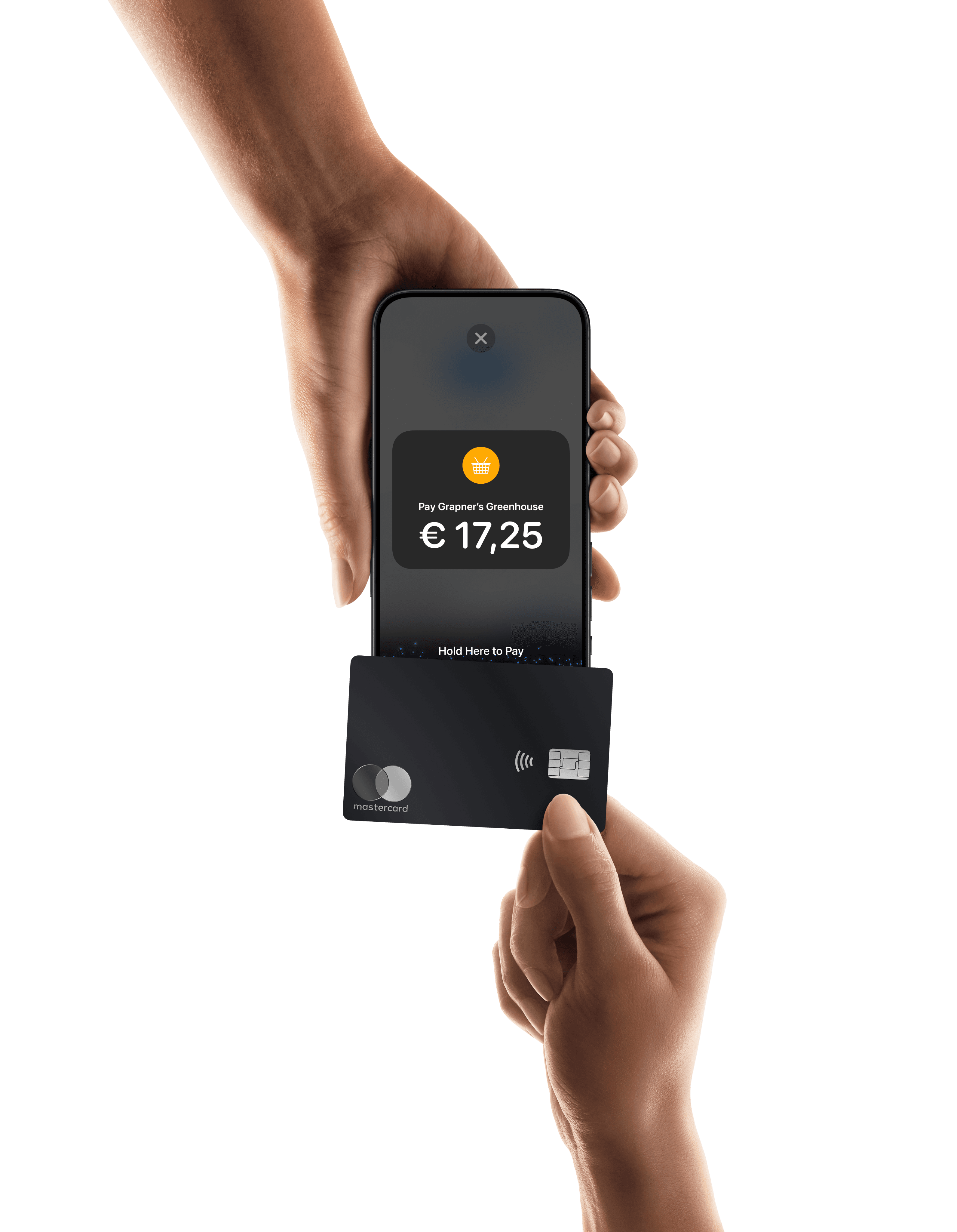
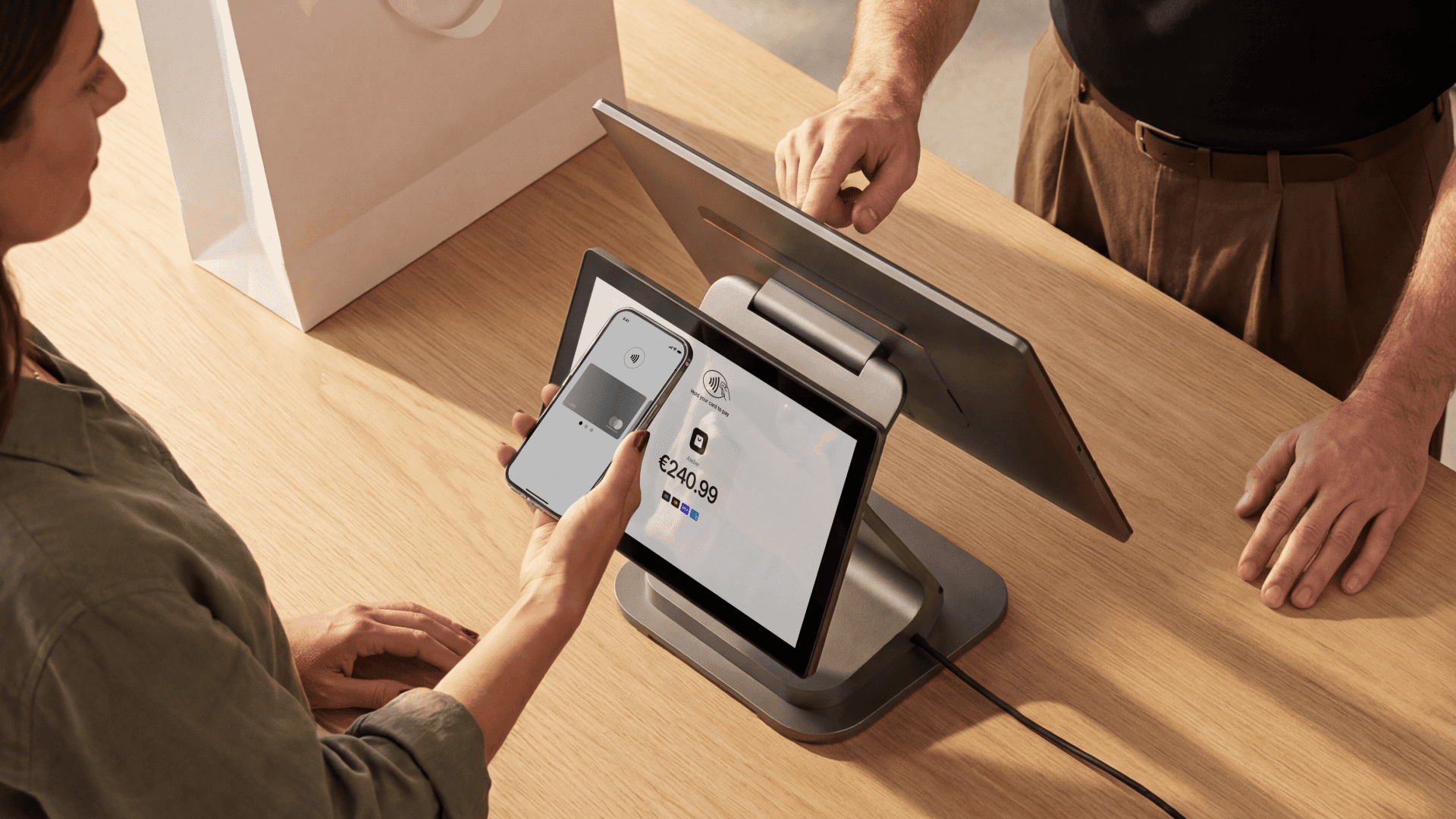
Most businesses treat the payment terminal as the end of the line. The hard work is done, the customer taps their card, and the transaction is closed. But it actually holds the exact data you need to build long-term (and trusted) relationships with your customers.
Together with the team at Tilroy, here we explore how you can move away from disconnected systems and use tokenisation to turn an anonymous tap into long-term, profitable customer relationships.
TL;DR
Acquisition costs are rising: Buying traffic drains your margin. Retention is the most reliable way to protect it.
Unified commerce fixes blind spots: Your webshop and physical store must share a single data layer so you actually know who is buying what.
Tokenisation removes friction: You can identify a customer from their bank card alone. No apps, plastic tags, or manual data entry required.
The terminal does the heavy lifting: Your POS solution can trigger rewards, targeted offers, and digital sign-ups at the exact moment of payment.
Let’s start by getting real about what’s happening in retail right now: Buying traffic is getting absurdly expensive, ad costs are up, footfall is unpredictable, and shoppers expect you to know exactly what they want the moment they walk in.
If you look at the numbers, retention is the only math that works. Loyalty now needs to live deep inside your daily operations. The good news? The most powerful tool to build trust is already sitting on your counter.
Most businesses treat the payment terminal as the end of the line. The hard work is done, the customer taps their card, and the transaction is closed. But it actually holds the exact data you need to build long-term (and trusted) relationships with your customers.
Together with the team at Tilroy, here we explore how you can move away from disconnected systems and use tokenisation to turn an anonymous tap into long-term, profitable customer relationships.
TL;DR
Acquisition costs are rising: Buying traffic drains your margin. Retention is the most reliable way to protect it.
Unified commerce fixes blind spots: Your webshop and physical store must share a single data layer so you actually know who is buying what.
Tokenisation removes friction: You can identify a customer from their bank card alone. No apps, plastic tags, or manual data entry required.
The terminal does the heavy lifting: Your POS solution can trigger rewards, targeted offers, and digital sign-ups at the exact moment of payment.
Let’s start by getting real about what’s happening in retail right now: Buying traffic is getting absurdly expensive, ad costs are up, footfall is unpredictable, and shoppers expect you to know exactly what they want the moment they walk in.
If you look at the numbers, retention is the only math that works. Loyalty now needs to live deep inside your daily operations. The good news? The most powerful tool to build trust is already sitting on your counter.
Most businesses treat the payment terminal as the end of the line. The hard work is done, the customer taps their card, and the transaction is closed. But it actually holds the exact data you need to build long-term (and trusted) relationships with your customers.
Together with the team at Tilroy, here we explore how you can move away from disconnected systems and use tokenisation to turn an anonymous tap into long-term, profitable customer relationships.
TL;DR
Acquisition costs are rising: Buying traffic drains your margin. Retention is the most reliable way to protect it.
Unified commerce fixes blind spots: Your webshop and physical store must share a single data layer so you actually know who is buying what.
Tokenisation removes friction: You can identify a customer from their bank card alone. No apps, plastic tags, or manual data entry required.
The terminal does the heavy lifting: Your POS solution can trigger rewards, targeted offers, and digital sign-ups at the exact moment of payment.
Let’s start by getting real about what’s happening in retail right now: Buying traffic is getting absurdly expensive, ad costs are up, footfall is unpredictable, and shoppers expect you to know exactly what they want the moment they walk in.
If you look at the numbers, retention is the only math that works. Loyalty now needs to live deep inside your daily operations. The good news? The most powerful tool to build trust is already sitting on your counter.
Most businesses treat the payment terminal as the end of the line. The hard work is done, the customer taps their card, and the transaction is closed. But it actually holds the exact data you need to build long-term (and trusted) relationships with your customers.
Together with the team at Tilroy, here we explore how you can move away from disconnected systems and use tokenisation to turn an anonymous tap into long-term, profitable customer relationships.
TL;DR
Acquisition costs are rising: Buying traffic drains your margin. Retention is the most reliable way to protect it.
Unified commerce fixes blind spots: Your webshop and physical store must share a single data layer so you actually know who is buying what.
Tokenisation removes friction: You can identify a customer from their bank card alone. No apps, plastic tags, or manual data entry required.
The terminal does the heavy lifting: Your POS solution can trigger rewards, targeted offers, and digital sign-ups at the exact moment of payment.