
TL;DR
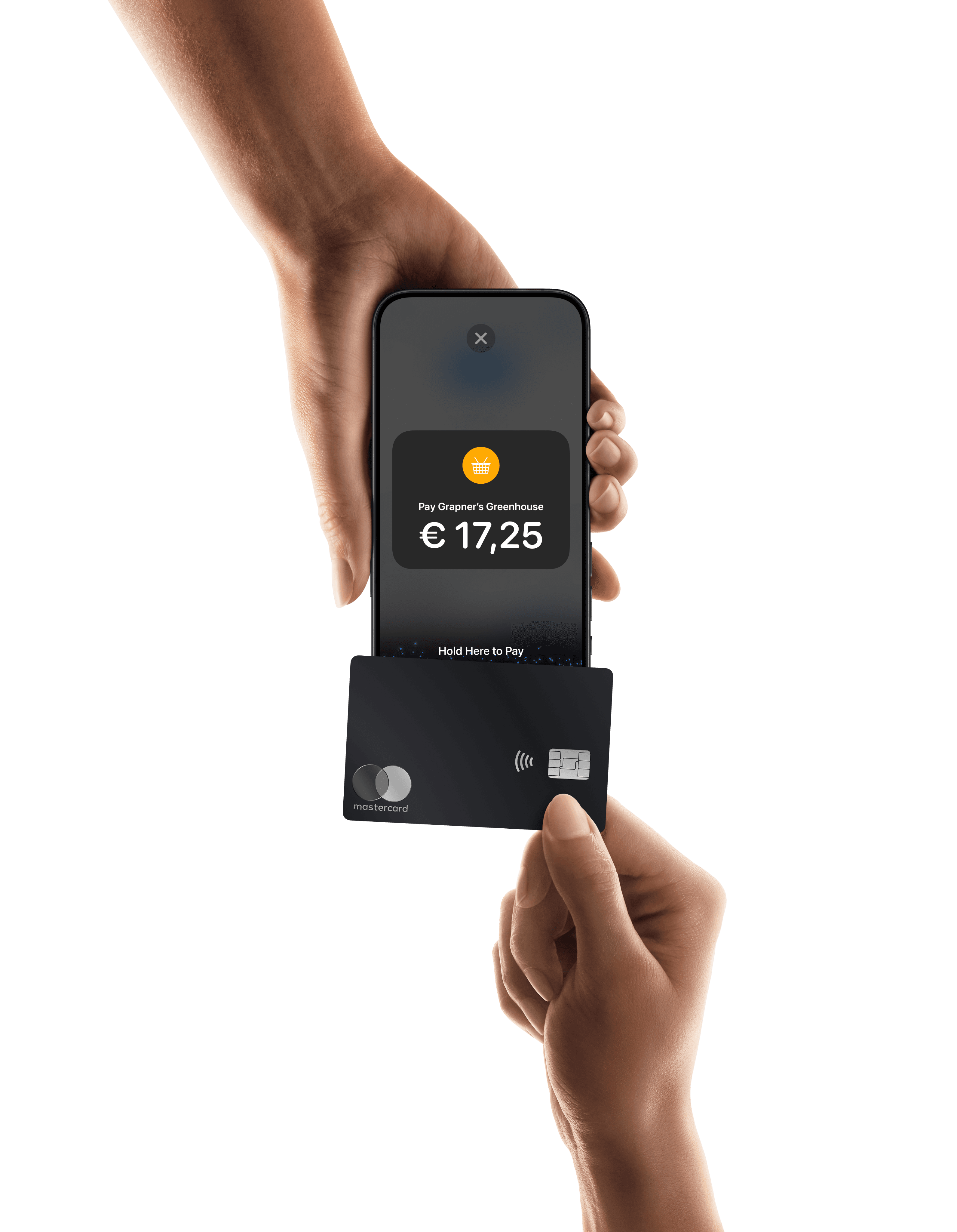
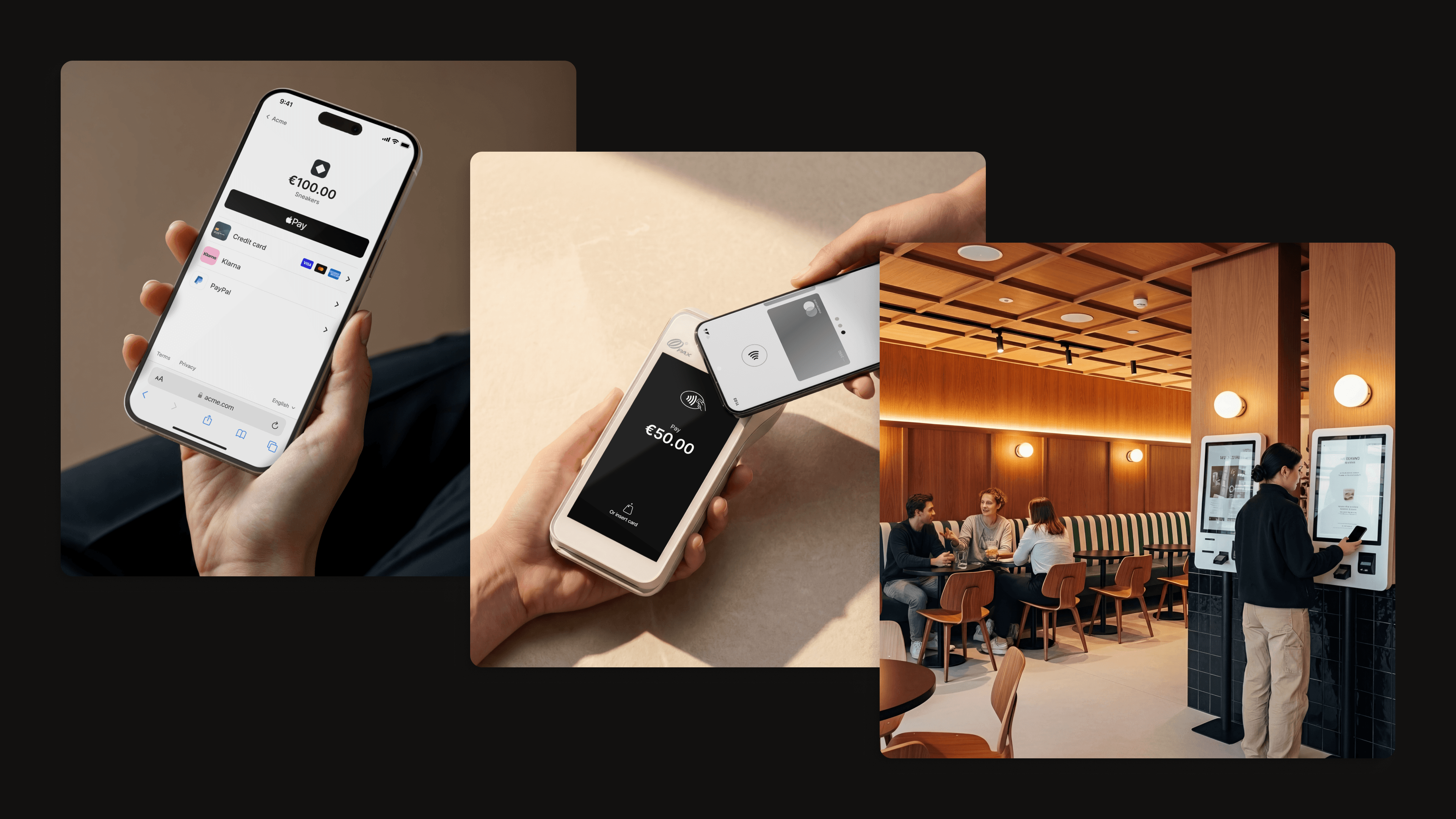
The clean desk reality: Legacy payment hardware creates friction and bottlenecks. By replacing bulky terminals with Contactless POS (SoftPOS), retailers save on hardware costs and free their staff to take payments anywhere on the shop floor.
Contactless flexibility: Gen Z and Gen Alpha are bypassing plastic cards entirely. To stay relevant, retailers must adapt to digital-first expectations by supporting mobile wallets and QR-based payments.
Loyalty 3.0: The days of physical stamp cards are ending. By leveraging PAR (Payment Account Reference) data and NFC technology, retailers can seamlessly automate loyalty at the checkout and close the data gap between their online and offline shoppers.
Based on our latest research and the strategic shifts we are seeing across Europe, the future of in-person payments centres on making the transaction disappear into the background. When the payment becomes invisible, the relationship takes centre stage. We believe that the next five years will redefine what it means to shop in-store, moving away from a fixed point of sale (POS) and toward a fluid, unified experience. This transition is not a distant dream; it is a roadmap of innovation that we are building today.
TL;DR
The clean desk reality: Legacy payment hardware creates friction and bottlenecks. By replacing bulky terminals with Contactless POS (SoftPOS), retailers save on hardware costs and free their staff to take payments anywhere on the shop floor.
Contactless flexibility: Gen Z and Gen Alpha are bypassing plastic cards entirely. To stay relevant, retailers must adapt to digital-first expectations by supporting mobile wallets and QR-based payments.
Loyalty 3.0: The days of physical stamp cards are ending. By leveraging PAR (Payment Account Reference) data and NFC technology, retailers can seamlessly automate loyalty at the checkout and close the data gap between their online and offline shoppers.
Based on our latest research and the strategic shifts we are seeing across Europe, the future of in-person payments centres on making the transaction disappear into the background. When the payment becomes invisible, the relationship takes centre stage. We believe that the next five years will redefine what it means to shop in-store, moving away from a fixed point of sale (POS) and toward a fluid, unified experience. This transition is not a distant dream; it is a roadmap of innovation that we are building today.
TL;DR
The clean desk reality: Legacy payment hardware creates friction and bottlenecks. By replacing bulky terminals with Contactless POS (SoftPOS), retailers save on hardware costs and free their staff to take payments anywhere on the shop floor.
Contactless flexibility: Gen Z and Gen Alpha are bypassing plastic cards entirely. To stay relevant, retailers must adapt to digital-first expectations by supporting mobile wallets and QR-based payments.
Loyalty 3.0: The days of physical stamp cards are ending. By leveraging PAR (Payment Account Reference) data and NFC technology, retailers can seamlessly automate loyalty at the checkout and close the data gap between their online and offline shoppers.
Based on our latest research and the strategic shifts we are seeing across Europe, the future of in-person payments centres on making the transaction disappear into the background. When the payment becomes invisible, the relationship takes centre stage. We believe that the next five years will redefine what it means to shop in-store, moving away from a fixed point of sale (POS) and toward a fluid, unified experience. This transition is not a distant dream; it is a roadmap of innovation that we are building today.
TL;DR
The clean desk reality: Legacy payment hardware creates friction and bottlenecks. By replacing bulky terminals with Contactless POS (SoftPOS), retailers save on hardware costs and free their staff to take payments anywhere on the shop floor.
Contactless flexibility: Gen Z and Gen Alpha are bypassing plastic cards entirely. To stay relevant, retailers must adapt to digital-first expectations by supporting mobile wallets and QR-based payments.
Loyalty 3.0: The days of physical stamp cards are ending. By leveraging PAR (Payment Account Reference) data and NFC technology, retailers can seamlessly automate loyalty at the checkout and close the data gap between their online and offline shoppers.
Based on our latest research and the strategic shifts we are seeing across Europe, the future of in-person payments centres on making the transaction disappear into the background. When the payment becomes invisible, the relationship takes centre stage. We believe that the next five years will redefine what it means to shop in-store, moving away from a fixed point of sale (POS) and toward a fluid, unified experience. This transition is not a distant dream; it is a roadmap of innovation that we are building today.