Payment methods: A comprehensive guide for businesses

This comprehensive guide will help you find the ideal payment methods for your business model, so you can develop a strategy that delivers higher conversion rates, more sales, better experiences, and happier customers.

This comprehensive guide will help you find the ideal payment methods for your business model, so you can develop a strategy that delivers higher conversion rates, more sales, better experiences, and happier customers.

Iryna Agieieva

Head of Product - Payments

Whether you are just launching or expanding across European borders, understanding your customers and how they choose can make or break a sale.  

This comprehensive guide will help you find the ideal payment methods for your business model, so you can develop a strategy that delivers higher conversion rates, more sales, better experiences, and happier customers.

Whether you are just launching or expanding across European borders, understanding your customers and how they choose can make or break a sale.  

This comprehensive guide will help you find the ideal payment methods for your business model, so you can develop a strategy that delivers higher conversion rates, more sales, better experiences, and happier customers.

Whether you are just launching or expanding across European borders, understanding your customers and how they choose can make or break a sale.  

This comprehensive guide will help you find the ideal payment methods for your business model, so you can develop a strategy that delivers higher conversion rates, more sales, better experiences, and happier customers.

Whether you are just launching or expanding across European borders, understanding your customers and how they choose can make or break a sale.  

This comprehensive guide will help you find the ideal payment methods for your business model, so you can develop a strategy that delivers higher conversion rates, more sales, better experiences, and happier customers.

The benefits of offering preferred payment methods

Knowing the nuances of your markets is vital to making sure you’re meeting their needs. In the Netherlands, shoppers love iDEAL | Wero, most Austrian consumers use EPS, and Cartes Bancaires is France’s go-to payment method. It’s also crucial to offer a seamless experience that guides a customer through checkout, reconciliation, and aftercare.

The mix of online payment methods you choose to offer can also help you forecast and manage fraud risk. You need to offer the payment methods your customers want, but avoid adding payment methods your shoppers won’t use and that increase the risk of fraud. You can also reduce your chargeback risk by accepting payments via bank transfers, some buy now, pay later (BNPL) services, and e-wallets.

Expanding your payment options directly impacts your bottom line. When you align your checkout options with what your buyers expect, you unlock clear operational and financial advantages:

  • Attract new customers: offering local payment choices helps you enter new geographical markets instantly without facing immediate buyer scepticism.

  • Reduce processing costs: direct bank rails often have lower fees than standard credit networks, helping you protect your margins.

  • Increase your conversion rate: eliminating payment friction at the final stage of the journey prevents buyers from abandoning their carts.

  • Minimise fraud risks: utilising payment methods with built-in multi-factor authentication reduces your exposure to chargebacks and malicious activity.

Knowing the nuances of your markets is vital to making sure you’re meeting their needs. In the Netherlands, shoppers love iDEAL | Wero, most Austrian consumers use EPS, and Cartes Bancaires is France’s go-to payment method. It’s also crucial to offer a seamless experience that guides a customer through checkout, reconciliation, and aftercare.

The mix of online payment methods you choose to offer can also help you forecast and manage fraud risk. You need to offer the payment methods your customers want, but avoid adding payment methods your shoppers won’t use and that increase the risk of fraud. You can also reduce your chargeback risk by accepting payments via bank transfers, some buy now, pay later (BNPL) services, and e-wallets.

Expanding your payment options directly impacts your bottom line. When you align your checkout options with what your buyers expect, you unlock clear operational and financial advantages:

  • Attract new customers: offering local payment choices helps you enter new geographical markets instantly without facing immediate buyer scepticism.

  • Reduce processing costs: direct bank rails often have lower fees than standard credit networks, helping you protect your margins.

  • Increase your conversion rate: eliminating payment friction at the final stage of the journey prevents buyers from abandoning their carts.

  • Minimise fraud risks: utilising payment methods with built-in multi-factor authentication reduces your exposure to chargebacks and malicious activity.

Knowing the nuances of your markets is vital to making sure you’re meeting their needs. In the Netherlands, shoppers love iDEAL | Wero, most Austrian consumers use EPS, and Cartes Bancaires is France’s go-to payment method. It’s also crucial to offer a seamless experience that guides a customer through checkout, reconciliation, and aftercare.

The mix of online payment methods you choose to offer can also help you forecast and manage fraud risk. You need to offer the payment methods your customers want, but avoid adding payment methods your shoppers won’t use and that increase the risk of fraud. You can also reduce your chargeback risk by accepting payments via bank transfers, some buy now, pay later (BNPL) services, and e-wallets.

Expanding your payment options directly impacts your bottom line. When you align your checkout options with what your buyers expect, you unlock clear operational and financial advantages:

  • Attract new customers: offering local payment choices helps you enter new geographical markets instantly without facing immediate buyer scepticism.

  • Reduce processing costs: direct bank rails often have lower fees than standard credit networks, helping you protect your margins.

  • Increase your conversion rate: eliminating payment friction at the final stage of the journey prevents buyers from abandoning their carts.

  • Minimise fraud risks: utilising payment methods with built-in multi-factor authentication reduces your exposure to chargebacks and malicious activity.

Knowing the nuances of your markets is vital to making sure you’re meeting their needs. In the Netherlands, shoppers love iDEAL | Wero, most Austrian consumers use EPS, and Cartes Bancaires is France’s go-to payment method. It’s also crucial to offer a seamless experience that guides a customer through checkout, reconciliation, and aftercare.

The mix of online payment methods you choose to offer can also help you forecast and manage fraud risk. You need to offer the payment methods your customers want, but avoid adding payment methods your shoppers won’t use and that increase the risk of fraud. You can also reduce your chargeback risk by accepting payments via bank transfers, some buy now, pay later (BNPL) services, and e-wallets.

Expanding your payment options directly impacts your bottom line. When you align your checkout options with what your buyers expect, you unlock clear operational and financial advantages:

  • Attract new customers: offering local payment choices helps you enter new geographical markets instantly without facing immediate buyer scepticism.

  • Reduce processing costs: direct bank rails often have lower fees than standard credit networks, helping you protect your margins.

  • Increase your conversion rate: eliminating payment friction at the final stage of the journey prevents buyers from abandoning their carts.

  • Minimise fraud risks: utilising payment methods with built-in multi-factor authentication reduces your exposure to chargebacks and malicious activity.

Types of payment methods

The sheer number of different payment methods available can seem overwhelming at first, but when you look at each one individually, they’re surprisingly simple. Here’s a breakdown of the main types, followed by a summary table to help you compare them at a glance.

Global card schemes

As the most common way to pay online, networks like Visa and Mastercard offer credit and debit cards accepted worldwide. American Express also provides premium card access across global corridors.

Domestic card schemes

These card schemes operate in the same way as global card schemes such as Visa and Mastercard. However, the cards are only accepted in specific markets. Cartes Bancaires and PostePay are examples of domestic card schemes.

Bank transfer

These digital systems allow buyers to send funds directly from their checking accounts to yours. Examples include SEPA Bank Transfer and local systems across the continent.

Digital wallets

A digital wallet is a secure software application on a person’s phone or smartwatch that stores digital versions of their credit and debit cards, allowing them to make cashless purchases, send money, and store tickets or passes without carrying a physical wallet.

Electronic wallets (e-wallets)

E-wallets provide a digital way for people to store funds. Customers load their e-wallets with funds via bank transfer, card, or cash. They can then use their e-wallet to make payments. PayPal is an e-wallet.

Buy now, pay later (BNPL)

These providers let shoppers purchase products and stagger their costs over fixed intervals. Services like Klarna and Riverty help merchants increase average order values by offering this flexibility.

Direct debit

This mechanism gives you authorisation to pull funds from a customer’s account after providing advance notice of the date and amount. SEPA Direct Debit is the standard framework for recurring European billing.

Mobile payment 

Mobile payments allow you to use a smartphone or smartwatch to pay for goods and services or to transfer money digitally. Instead of carrying physical cards or cash, you store your payment information securely in a digital wallet to pay in stores via NFC (Near Field Communication), online, or in apps. Satispay and TWINT are two popular mobile payment services. 

Vouchers and gift cards

Gift cards are credit card-sized smart cards that users can load with money and pass on to others. The cards are usually used in specific types of shops or branches of big retail chains, including online stores, entertainment stores, and theatres or cultural centres. Vouchers also help people make online payments for different goods, including food and drink, environmental products and gifts. 

The sheer number of different payment methods available can seem overwhelming at first, but when you look at each one individually, they’re surprisingly simple. Here’s a breakdown of the main types, followed by a summary table to help you compare them at a glance.

Global card schemes

As the most common way to pay online, networks like Visa and Mastercard offer credit and debit cards accepted worldwide. American Express also provides premium card access across global corridors.

Domestic card schemes

These card schemes operate in the same way as global card schemes such as Visa and Mastercard. However, the cards are only accepted in specific markets. Cartes Bancaires and PostePay are examples of domestic card schemes.

Bank transfer

These digital systems allow buyers to send funds directly from their checking accounts to yours. Examples include SEPA Bank Transfer and local systems across the continent.

Digital wallets

A digital wallet is a secure software application on a person’s phone or smartwatch that stores digital versions of their credit and debit cards, allowing them to make cashless purchases, send money, and store tickets or passes without carrying a physical wallet.

Electronic wallets (e-wallets)

E-wallets provide a digital way for people to store funds. Customers load their e-wallets with funds via bank transfer, card, or cash. They can then use their e-wallet to make payments. PayPal is an e-wallet.

Buy now, pay later (BNPL)

These providers let shoppers purchase products and stagger their costs over fixed intervals. Services like Klarna and Riverty help merchants increase average order values by offering this flexibility.

Direct debit

This mechanism gives you authorisation to pull funds from a customer’s account after providing advance notice of the date and amount. SEPA Direct Debit is the standard framework for recurring European billing.

Mobile payment 

Mobile payments allow you to use a smartphone or smartwatch to pay for goods and services or to transfer money digitally. Instead of carrying physical cards or cash, you store your payment information securely in a digital wallet to pay in stores via NFC (Near Field Communication), online, or in apps. Satispay and TWINT are two popular mobile payment services. 

Vouchers and gift cards

Gift cards are credit card-sized smart cards that users can load with money and pass on to others. The cards are usually used in specific types of shops or branches of big retail chains, including online stores, entertainment stores, and theatres or cultural centres. Vouchers also help people make online payments for different goods, including food and drink, environmental products and gifts. 

The sheer number of different payment methods available can seem overwhelming at first, but when you look at each one individually, they’re surprisingly simple. Here’s a breakdown of the main types, followed by a summary table to help you compare them at a glance.

Global card schemes

As the most common way to pay online, networks like Visa and Mastercard offer credit and debit cards accepted worldwide. American Express also provides premium card access across global corridors.

Domestic card schemes

These card schemes operate in the same way as global card schemes such as Visa and Mastercard. However, the cards are only accepted in specific markets. Cartes Bancaires and PostePay are examples of domestic card schemes.

Bank transfer

These digital systems allow buyers to send funds directly from their checking accounts to yours. Examples include SEPA Bank Transfer and local systems across the continent.

Digital wallets

A digital wallet is a secure software application on a person’s phone or smartwatch that stores digital versions of their credit and debit cards, allowing them to make cashless purchases, send money, and store tickets or passes without carrying a physical wallet.

Electronic wallets (e-wallets)

E-wallets provide a digital way for people to store funds. Customers load their e-wallets with funds via bank transfer, card, or cash. They can then use their e-wallet to make payments. PayPal is an e-wallet.

Buy now, pay later (BNPL)

These providers let shoppers purchase products and stagger their costs over fixed intervals. Services like Klarna and Riverty help merchants increase average order values by offering this flexibility.

Direct debit

This mechanism gives you authorisation to pull funds from a customer’s account after providing advance notice of the date and amount. SEPA Direct Debit is the standard framework for recurring European billing.

Mobile payment 

Mobile payments allow you to use a smartphone or smartwatch to pay for goods and services or to transfer money digitally. Instead of carrying physical cards or cash, you store your payment information securely in a digital wallet to pay in stores via NFC (Near Field Communication), online, or in apps. Satispay and TWINT are two popular mobile payment services. 

Vouchers and gift cards

Gift cards are credit card-sized smart cards that users can load with money and pass on to others. The cards are usually used in specific types of shops or branches of big retail chains, including online stores, entertainment stores, and theatres or cultural centres. Vouchers also help people make online payments for different goods, including food and drink, environmental products and gifts. 

The sheer number of different payment methods available can seem overwhelming at first, but when you look at each one individually, they’re surprisingly simple. Here’s a breakdown of the main types, followed by a summary table to help you compare them at a glance.

Global card schemes

As the most common way to pay online, networks like Visa and Mastercard offer credit and debit cards accepted worldwide. American Express also provides premium card access across global corridors.

Domestic card schemes

These card schemes operate in the same way as global card schemes such as Visa and Mastercard. However, the cards are only accepted in specific markets. Cartes Bancaires and PostePay are examples of domestic card schemes.

Bank transfer

These digital systems allow buyers to send funds directly from their checking accounts to yours. Examples include SEPA Bank Transfer and local systems across the continent.

Digital wallets

A digital wallet is a secure software application on a person’s phone or smartwatch that stores digital versions of their credit and debit cards, allowing them to make cashless purchases, send money, and store tickets or passes without carrying a physical wallet.

Electronic wallets (e-wallets)

E-wallets provide a digital way for people to store funds. Customers load their e-wallets with funds via bank transfer, card, or cash. They can then use their e-wallet to make payments. PayPal is an e-wallet.

Buy now, pay later (BNPL)

These providers let shoppers purchase products and stagger their costs over fixed intervals. Services like Klarna and Riverty help merchants increase average order values by offering this flexibility.

Direct debit

This mechanism gives you authorisation to pull funds from a customer’s account after providing advance notice of the date and amount. SEPA Direct Debit is the standard framework for recurring European billing.

Mobile payment 

Mobile payments allow you to use a smartphone or smartwatch to pay for goods and services or to transfer money digitally. Instead of carrying physical cards or cash, you store your payment information securely in a digital wallet to pay in stores via NFC (Near Field Communication), online, or in apps. Satispay and TWINT are two popular mobile payment services. 

Vouchers and gift cards

Gift cards are credit card-sized smart cards that users can load with money and pass on to others. The cards are usually used in specific types of shops or branches of big retail chains, including online stores, entertainment stores, and theatres or cultural centres. Vouchers also help people make online payments for different goods, including food and drink, environmental products and gifts. 

Overview of the main types of payment methods

Payment method type

How it works

How it helps you

Examples

Global card schemes

Moves money from credit and debit cards through worldwide networks.

Works everywhere and protects buyers if something goes wrong.

Visa, Mastercard, and American Express

Domestic card schemes

Handles card payments within a country.

Lower transaction fees for you, and are highly trusted by local shoppers.

Cartes Bancaires and PostePay

Bank transfer

Sends money straight from the customer’s bank account to yours.

No risk of customers reversing the payment, and it usually costs less.

iDEAL | Wero, Bancontact, and Bizum

Digital wallets

Saves card details safely on a customer’s phone or watch.

Fast one-click buying using fingerprints or face scans.

Apple Pay and Google Pay

Electronic wallets (e-wallets)

Stores digital money or links multiple cards to one online account.

Highly popular with shoppers and easy to use for regular subscriptions.

PayPal

Buy now, pay later (BNPL)

Pays you immediately but lets customers split or delay their payments.

Encourages shoppers to spend more, and the provider covers the risk if they do not pay.

Klarna, Riverty, and Alma

Direct debit

Takes money from bank accounts automatically with the customer’s permission.

Perfect for regular subscription plans, so you do not lose sales when cards expire.

SEPA Direct Debit, Bacs

Mobile payments

Sends instant payments using just a mobile phone number and an app.

Avoids traditional card networks to simplify mobile buying.

Satispay, Blik, and TWINT

Vouchers and gift cards

Uses prepaid digital or physical cards loaded with a set amount of money.

Helps you sell to people who prefer gift cards or use corporate work perks.

Edenred and store gift cards

Payment method type

How it works

How it helps you

Examples

Global card schemes

Moves money from credit and debit cards through worldwide networks.

Works everywhere and protects buyers if something goes wrong.

Visa, Mastercard, and American Express

Domestic card schemes

Handles card payments within a country.

Lower transaction fees for you, and are highly trusted by local shoppers.

Cartes Bancaires and PostePay

Bank transfer

Sends money straight from the customer’s bank account to yours.

No risk of customers reversing the payment, and it usually costs less.

iDEAL | Wero, Bancontact, and Bizum

Digital wallets

Saves card details safely on a customer’s phone or watch.

Fast one-click buying using fingerprints or face scans.

Apple Pay and Google Pay

Electronic wallets (e-wallets)

Stores digital money or links multiple cards to one online account.

Highly popular with shoppers and easy to use for regular subscriptions.

PayPal

Buy now, pay later (BNPL)

Pays you immediately but lets customers split or delay their payments.

Encourages shoppers to spend more, and the provider covers the risk if they do not pay.

Klarna, Riverty, and Alma

Direct debit

Takes money from bank accounts automatically with the customer’s permission.

Perfect for regular subscription plans, so you do not lose sales when cards expire.

SEPA Direct Debit, Bacs

Mobile payments

Sends instant payments using just a mobile phone number and an app.

Avoids traditional card networks to simplify mobile buying.

Satispay, Blik, and TWINT

Vouchers and gift cards

Uses prepaid digital or physical cards loaded with a set amount of money.

Helps you sell to people who prefer gift cards or use corporate work perks.

Edenred and store gift cards

Payment method type

How it works

How it helps you

Examples

Global card schemes

Moves money from credit and debit cards through worldwide networks.

Works everywhere and protects buyers if something goes wrong.

Visa, Mastercard, and American Express

Domestic card schemes

Handles card payments within a country.

Lower transaction fees for you, and are highly trusted by local shoppers.

Cartes Bancaires and PostePay

Bank transfer

Sends money straight from the customer’s bank account to yours.

No risk of customers reversing the payment, and it usually costs less.

iDEAL | Wero, Bancontact, and Bizum

Digital wallets

Saves card details safely on a customer’s phone or watch.

Fast one-click buying using fingerprints or face scans.

Apple Pay and Google Pay

Electronic wallets (e-wallets)

Stores digital money or links multiple cards to one online account.

Highly popular with shoppers and easy to use for regular subscriptions.

PayPal

Buy now, pay later (BNPL)

Pays you immediately but lets customers split or delay their payments.

Encourages shoppers to spend more, and the provider covers the risk if they do not pay.

Klarna, Riverty, and Alma

Direct debit

Takes money from bank accounts automatically with the customer’s permission.

Perfect for regular subscription plans, so you do not lose sales when cards expire.

SEPA Direct Debit, Bacs

Mobile payments

Sends instant payments using just a mobile phone number and an app.

Avoids traditional card networks to simplify mobile buying.

Satispay, Blik, and TWINT

Vouchers and gift cards

Uses prepaid digital or physical cards loaded with a set amount of money.

Helps you sell to people who prefer gift cards or use corporate work perks.

Edenred and store gift cards

Payment method type

How it works

How it helps you

Examples

Global card schemes

Moves money from credit and debit cards through worldwide networks.

Works everywhere and protects buyers if something goes wrong.

Visa, Mastercard, and American Express

Domestic card schemes

Handles card payments within a country.

Lower transaction fees for you, and are highly trusted by local shoppers.

Cartes Bancaires and PostePay

Bank transfer

Sends money straight from the customer’s bank account to yours.

No risk of customers reversing the payment, and it usually costs less.

iDEAL | Wero, Bancontact, and Bizum

Digital wallets

Saves card details safely on a customer’s phone or watch.

Fast one-click buying using fingerprints or face scans.

Apple Pay and Google Pay

Electronic wallets (e-wallets)

Stores digital money or links multiple cards to one online account.

Highly popular with shoppers and easy to use for regular subscriptions.

PayPal

Buy now, pay later (BNPL)

Pays you immediately but lets customers split or delay their payments.

Encourages shoppers to spend more, and the provider covers the risk if they do not pay.

Klarna, Riverty, and Alma

Direct debit

Takes money from bank accounts automatically with the customer’s permission.

Perfect for regular subscription plans, so you do not lose sales when cards expire.

SEPA Direct Debit, Bacs

Mobile payments

Sends instant payments using just a mobile phone number and an app.

Avoids traditional card networks to simplify mobile buying.

Satispay, Blik, and TWINT

Vouchers and gift cards

Uses prepaid digital or physical cards loaded with a set amount of money.

Helps you sell to people who prefer gift cards or use corporate work perks.

Edenred and store gift cards

What are the best online payment methods for your business?

The right payment mix depends on your business model and your markets. What works for a Dutch ecommerce store won’t necessarily work for a German SaaS business. Here’s a breakdown by business type to help you find your ideal setup.

The best payment methods for ecommerce businesses

Mollie recommends: global and local card schemes, bank transfer, wallets, BNPL

Offering shoppers the payment method they prefer during the checkout experience is vital for reducing cart abandonment and giving people the confidence to buy. 

While you need global cards like Visa and Mastercard, European ecommerce also relies heavily on local bank systems like Bancontact or iDEAL | Wero. Integrating pass-through wallets allows you to offer one-click payments for returning shoppers by securely reusing stored device details.

BNPL is becoming an essential payment method for many different ecommerce businesses. Consumers like it for the flexibility it gives them, while for online retailers, it can help increase conversion, average order value, and provide a better customer experience.  

The best payment methods for SaaS and subscription businesses

Mollie recommends: cards, wallets, Direct Debit, and bank transfer methods

SaaS and subscription businesses rely on recurring payments, a model which helps them guarantee cash flow and predict their future revenue stream. These businesses aim to get customers to sign up and stay, because increasing a customer’s lifetime value and decreasing customer churn will always deliver long-term success.

Of course, some customers will choose to leave. But involuntary churn, or when a customer’s subscription stops due to an unintentional issue such as outdated card details, is avoidable. And offering the right payment methods (and storing the payment details correctly) will help prevent losing customers who don’t actually want to stop using your services.

To combat this, your checkout must support payment methods that safely store and reuse tokenised credentials. Credit cards, digital wallets, and bank transfers all support recurring scheduling. With Mollie, you can convert initial bank transfers from systems like iDEAL | Wero or Bancontact into SEPA Direct Debit mandates automatically, ensuring continuous collections.

We also offer dedicated integrations with platforms like Chargebee and Recharge to streamline your billing operations. If you run a software platform, our Connect for Platforms product handles sub-merchant onboarding and compliance automatically, letting you monetise payments safely under European regulations.

The best payment methods for marketplaces

Mollie recommends: global and local card schemes, bank transfer, wallets, buy now, pay later.

Marketplaces share the consumer checkout demands of standard ecommerce businesses, but their backend operations are vastly more complex. You have to split funds, manage sub-merchants, handle chargebacks, and navigate strict anti-money laundering regulations.

Partnering with a specialised payment provider removes this manual administrative burden. A robust platform gives you complete control over your payout flows while automatically verifying your sellers. Our Connect for Platforms infrastructure simplifies this entire lifecycle: it automates vendor payments, coordinates split payouts, and ensures your ecosystem complies with all European banking rules.

The right payment mix depends on your business model and your markets. What works for a Dutch ecommerce store won’t necessarily work for a German SaaS business. Here’s a breakdown by business type to help you find your ideal setup.

The best payment methods for ecommerce businesses

Mollie recommends: global and local card schemes, bank transfer, wallets, BNPL

Offering shoppers the payment method they prefer during the checkout experience is vital for reducing cart abandonment and giving people the confidence to buy. 

While you need global cards like Visa and Mastercard, European ecommerce also relies heavily on local bank systems like Bancontact or iDEAL | Wero. Integrating pass-through wallets allows you to offer one-click payments for returning shoppers by securely reusing stored device details.

BNPL is becoming an essential payment method for many different ecommerce businesses. Consumers like it for the flexibility it gives them, while for online retailers, it can help increase conversion, average order value, and provide a better customer experience.  

The best payment methods for SaaS and subscription businesses

Mollie recommends: cards, wallets, Direct Debit, and bank transfer methods

SaaS and subscription businesses rely on recurring payments, a model which helps them guarantee cash flow and predict their future revenue stream. These businesses aim to get customers to sign up and stay, because increasing a customer’s lifetime value and decreasing customer churn will always deliver long-term success.

Of course, some customers will choose to leave. But involuntary churn, or when a customer’s subscription stops due to an unintentional issue such as outdated card details, is avoidable. And offering the right payment methods (and storing the payment details correctly) will help prevent losing customers who don’t actually want to stop using your services.

To combat this, your checkout must support payment methods that safely store and reuse tokenised credentials. Credit cards, digital wallets, and bank transfers all support recurring scheduling. With Mollie, you can convert initial bank transfers from systems like iDEAL | Wero or Bancontact into SEPA Direct Debit mandates automatically, ensuring continuous collections.

We also offer dedicated integrations with platforms like Chargebee and Recharge to streamline your billing operations. If you run a software platform, our Connect for Platforms product handles sub-merchant onboarding and compliance automatically, letting you monetise payments safely under European regulations.

The best payment methods for marketplaces

Mollie recommends: global and local card schemes, bank transfer, wallets, buy now, pay later.

Marketplaces share the consumer checkout demands of standard ecommerce businesses, but their backend operations are vastly more complex. You have to split funds, manage sub-merchants, handle chargebacks, and navigate strict anti-money laundering regulations.

Partnering with a specialised payment provider removes this manual administrative burden. A robust platform gives you complete control over your payout flows while automatically verifying your sellers. Our Connect for Platforms infrastructure simplifies this entire lifecycle: it automates vendor payments, coordinates split payouts, and ensures your ecosystem complies with all European banking rules.

The right payment mix depends on your business model and your markets. What works for a Dutch ecommerce store won’t necessarily work for a German SaaS business. Here’s a breakdown by business type to help you find your ideal setup.

The best payment methods for ecommerce businesses

Mollie recommends: global and local card schemes, bank transfer, wallets, BNPL

Offering shoppers the payment method they prefer during the checkout experience is vital for reducing cart abandonment and giving people the confidence to buy. 

While you need global cards like Visa and Mastercard, European ecommerce also relies heavily on local bank systems like Bancontact or iDEAL | Wero. Integrating pass-through wallets allows you to offer one-click payments for returning shoppers by securely reusing stored device details.

BNPL is becoming an essential payment method for many different ecommerce businesses. Consumers like it for the flexibility it gives them, while for online retailers, it can help increase conversion, average order value, and provide a better customer experience.  

The best payment methods for SaaS and subscription businesses

Mollie recommends: cards, wallets, Direct Debit, and bank transfer methods

SaaS and subscription businesses rely on recurring payments, a model which helps them guarantee cash flow and predict their future revenue stream. These businesses aim to get customers to sign up and stay, because increasing a customer’s lifetime value and decreasing customer churn will always deliver long-term success.

Of course, some customers will choose to leave. But involuntary churn, or when a customer’s subscription stops due to an unintentional issue such as outdated card details, is avoidable. And offering the right payment methods (and storing the payment details correctly) will help prevent losing customers who don’t actually want to stop using your services.

To combat this, your checkout must support payment methods that safely store and reuse tokenised credentials. Credit cards, digital wallets, and bank transfers all support recurring scheduling. With Mollie, you can convert initial bank transfers from systems like iDEAL | Wero or Bancontact into SEPA Direct Debit mandates automatically, ensuring continuous collections.

We also offer dedicated integrations with platforms like Chargebee and Recharge to streamline your billing operations. If you run a software platform, our Connect for Platforms product handles sub-merchant onboarding and compliance automatically, letting you monetise payments safely under European regulations.

The best payment methods for marketplaces

Mollie recommends: global and local card schemes, bank transfer, wallets, buy now, pay later.

Marketplaces share the consumer checkout demands of standard ecommerce businesses, but their backend operations are vastly more complex. You have to split funds, manage sub-merchants, handle chargebacks, and navigate strict anti-money laundering regulations.

Partnering with a specialised payment provider removes this manual administrative burden. A robust platform gives you complete control over your payout flows while automatically verifying your sellers. Our Connect for Platforms infrastructure simplifies this entire lifecycle: it automates vendor payments, coordinates split payouts, and ensures your ecosystem complies with all European banking rules.

The right payment mix depends on your business model and your markets. What works for a Dutch ecommerce store won’t necessarily work for a German SaaS business. Here’s a breakdown by business type to help you find your ideal setup.

The best payment methods for ecommerce businesses

Mollie recommends: global and local card schemes, bank transfer, wallets, BNPL

Offering shoppers the payment method they prefer during the checkout experience is vital for reducing cart abandonment and giving people the confidence to buy. 

While you need global cards like Visa and Mastercard, European ecommerce also relies heavily on local bank systems like Bancontact or iDEAL | Wero. Integrating pass-through wallets allows you to offer one-click payments for returning shoppers by securely reusing stored device details.

BNPL is becoming an essential payment method for many different ecommerce businesses. Consumers like it for the flexibility it gives them, while for online retailers, it can help increase conversion, average order value, and provide a better customer experience.  

The best payment methods for SaaS and subscription businesses

Mollie recommends: cards, wallets, Direct Debit, and bank transfer methods

SaaS and subscription businesses rely on recurring payments, a model which helps them guarantee cash flow and predict their future revenue stream. These businesses aim to get customers to sign up and stay, because increasing a customer’s lifetime value and decreasing customer churn will always deliver long-term success.

Of course, some customers will choose to leave. But involuntary churn, or when a customer’s subscription stops due to an unintentional issue such as outdated card details, is avoidable. And offering the right payment methods (and storing the payment details correctly) will help prevent losing customers who don’t actually want to stop using your services.

To combat this, your checkout must support payment methods that safely store and reuse tokenised credentials. Credit cards, digital wallets, and bank transfers all support recurring scheduling. With Mollie, you can convert initial bank transfers from systems like iDEAL | Wero or Bancontact into SEPA Direct Debit mandates automatically, ensuring continuous collections.

We also offer dedicated integrations with platforms like Chargebee and Recharge to streamline your billing operations. If you run a software platform, our Connect for Platforms product handles sub-merchant onboarding and compliance automatically, letting you monetise payments safely under European regulations.

The best payment methods for marketplaces

Mollie recommends: global and local card schemes, bank transfer, wallets, buy now, pay later.

Marketplaces share the consumer checkout demands of standard ecommerce businesses, but their backend operations are vastly more complex. You have to split funds, manage sub-merchants, handle chargebacks, and navigate strict anti-money laundering regulations.

Partnering with a specialised payment provider removes this manual administrative burden. A robust platform gives you complete control over your payout flows while automatically verifying your sellers. Our Connect for Platforms infrastructure simplifies this entire lifecycle: it automates vendor payments, coordinates split payouts, and ensures your ecosystem complies with all European banking rules.

How to add online payments to your website

Modern payment service providers like Mollie make it easy to activate the payment options your business needs. Rather than building individual connections for every local bank rail, or digital wallet, a unified API gives you access to every major European payment method through a single integration. You can toggle new options on or off directly inside a central dashboard. By using pre-built plugins for major ecommerce platforms and clear developer tools, you can accept payments quickly and adapt to local market preferences without maintaining complex backend infrastructure.

Modern payment service providers like Mollie make it easy to activate the payment options your business needs. Rather than building individual connections for every local bank rail, or digital wallet, a unified API gives you access to every major European payment method through a single integration. You can toggle new options on or off directly inside a central dashboard. By using pre-built plugins for major ecommerce platforms and clear developer tools, you can accept payments quickly and adapt to local market preferences without maintaining complex backend infrastructure.

Modern payment service providers like Mollie make it easy to activate the payment options your business needs. Rather than building individual connections for every local bank rail, or digital wallet, a unified API gives you access to every major European payment method through a single integration. You can toggle new options on or off directly inside a central dashboard. By using pre-built plugins for major ecommerce platforms and clear developer tools, you can accept payments quickly and adapt to local market preferences without maintaining complex backend infrastructure.

Modern payment service providers like Mollie make it easy to activate the payment options your business needs. Rather than building individual connections for every local bank rail, or digital wallet, a unified API gives you access to every major European payment method through a single integration. You can toggle new options on or off directly inside a central dashboard. By using pre-built plugins for major ecommerce platforms and clear developer tools, you can accept payments quickly and adapt to local market preferences without maintaining complex backend infrastructure.

A guide to payment methods provided by Mollie

Here’s the detailed technical and geographical breakdown of the payment options available through our platform:

  1. Digital wallet 

PayPal

With PayPal, customers pay using their PayPal accounts. They can also use PayPal as a wallet, storing their cards for purchases. 

  • Type: digital wallet

  • Countries: global

  • Business model: ecommerce, marketplaces

  • Recurring payments: yes

  • Refunds: yes

  • Partial refunds: yes

  • Chargebacks: yes

PayPal functions as a global digital wallet spanning more than 200 countries. Buyers link their accounts directly to funding sources or maintain an independent balance. Because users log in with their credentials without exposing financial details to the store, it remains a highly trusted checkout option for retail, travel, and subscription billing.

Apple Pay

Apple Pay is a popular digital wallet that lets customers store their preferred credit and debit cards.

  • Type: digital wallet

  • Countries: global

  • Business model: ecommerce, marketplaces

  • Recurring payments: yes

  • Refunds: yes

  • Partial refunds: yes

  • Chargebacks: yes

Apple Pay allows consumers to digitise their credit and debit cards inside the Wallet app, and transactions are authorised via device biometrics, which ensures full compliance with strong customer authentication regulations under PSD3.

Google Pay 

Google Pay is a prominent digital wallet that enables users to store their preferred payment cards securely within their Google Account.

  • Type: pass-through wallet

  • Countries: global

  • Business model: ecommerce, marketplaces

  • Recurring payments: yes

  • Refunds: yes

  • Partial refunds: yes

  • Chargebacks: yes

Google Pay enables Android and web users worldwide to execute single-click checkouts on your website using any credit or debit card connected to their profile. Payments are authenticated via device biometrics or secure passcodes, fulfilling all strong customer authentication requirements under PSD2 while reducing friction on mobile.

Vipps MobilePay

Vipps and MobilePay have merged to form Vipps MobilePay, the preferred digital wallet solution for consumers across the Nordic region.

  • Type: digital wallet

  • Countries: Norway, Denmark, Finland

  • Business model: ecommerce, SaaS, subscription, marketplaces

  • Recurring payments: yes

  • Refunds: yes

  • Partial refunds: yes

  • Chargebacks: yes

By joining forces, Vipps MobilePay allows Nordic shoppers to complete web and mobile checkouts instantly using a registered mobile phone number. The platform integrates directly into a customer’s smartphone application to remove input friction at checkout. It also supports clean, automated recurring billing architectures, making it a vital addition for subscription services looking to build a stable customer base in the region.

  1. Global card schemes

Credit and debit cards

Card payments are still the world’s most popular way to pay. For consumers, they are one of the most secure payment methods.

  • Type: global card scheme

  • Countries: global

  • Business model: ecommerce, SaaS, subscription, marketplaces

  • Recurring payments: yes

  • Refunds: yes

  • Partial refunds: yes

  • Chargebacks: yes

Credit and debit cards remain the world's most widely used online payment method, accepted globally and trusted by consumers across every market. They offer strong buyer protection, broad currency support, and work across virtually every ecommerce platform and business model.

PostePay

PostePay is a prepaid card co-branded with Visa or Mastercard. It can be used in person or stored virtually in an e-wallet.

  • Type: prepaid card

  • Countries: Italy

  • Business model: ecommerce, SaaS, subscription, marketplaces

  • Recurring payments: yes

  • Refunds: yes

  • Partial refunds: yes

  • Chargebacks: no

PostePay provides pre-funded cards co-branded with major global card networks. Millions of Italian consumers use these cards for secure online checkouts, granting instant authorisations while operating under standard card dispute processing rules.

  1. Bank transfer

SEPA Bank Transfer

SEPA Bank Transfer is a secure European cross-border payment method available in 34 countries.

  • Type: bank transfer

  • Countries: Europe-wide

  • Business model: ecommerce, SaaS, subscriptions, marketplaces

  • Recurring payments: no

  • Refunds: yes

  • Partial refunds: no

  • Chargebacks: yes

The Single Euro Payments Area (SEPA) standard simplifies cross-border transfers across Europe using uniform IBAN formatting. Buyers log into their online banking tools to push funds securely. It is a highly favoured method in central Europe, typically settling within one to three business days, or just 10 seconds with SEPA Instant. 

Pay By Bank

Pay By Bank utilises open banking technology to allow direct account-to-account transfers.

  • Type: bank transfer

  • Countries: Europe-wide

  • Business model: ecommerce, SaaS, subscription, marketplaces

  • Recurring payments: no

  • Refunds: yes

  • Partial refunds: yes

  • Chargebacks: no

Pay By Bank operates as a secure, cost-effective alternative to standard card schemes. By letting consumers authenticate payments directly inside their preferred banking apps, it eliminates manual financial data entry and removes chargeback risks for cross-border businesses.

Wero

Wero is a unified digital wallet system developed by the European Payments Initiative (EPI) to harmonise cross-border payments.

  • Type: digital wallet

  • Countries: Germany, France, Belgium (expanding to the Netherlands and Luxembourg)

  • Business model: ecommerce, SaaS, subscription, marketplaces

  • Recurring payments: yes

  • Refunds: yes

  • Partial refunds: yes

  • Chargebacks: no

Wero enables customers to execute account-to-account payments directly from their banking profiles, bypassing international card schemes entirely. It processes settlements via SEPA Instant rails within 10 seconds. For merchants, it introduces a low-cost payment infrastructure that will gradually replace national networks.

Learn more about Wero in our guide: What is Wero? The complete guide for your business

iDEAL | Wero

iDEAL has long been a Dutch favourite, and recently it merged with Wero to become iDEAL | Wero – a guaranteed online bank transfer payment option supported by all major Dutch consumer banks.

  • Type: bank transfer

  • Countries: Netherlands

  • Business model: ecommerce, SaaS, subscriptions, marketplaces

  • Recurring payments: yes, via SEPA Direct Debit

  • Refunds: yes

  • Partial refunds: yes

  • Chargebacks: no

As the dominant payment system in the Netherlands, iDEAL | Wero handles roughly 70% of Dutch online transactions. It routes funds directly between bank accounts, giving merchants immediate transaction guarantees.

Bancontact

Bancontact is the most popular payment option for online and point-of-sale purchases in Belgium.

  • Type: bank transfer

  • Countries: Belgium

  • Business model: ecommerce, SaaS, subscription, marketplaces

  • Recurring payments: yes

  • Refunds: yes

  • Partial refunds: yes

  • Chargebacks: no

Bancontact is Belgium’s primary payment method, processing over 150,000 online and point-of-sale transactions daily. It provides immediate settlement confirmation backed by mandatory 3D Secure technology, meaning transactions cannot be reversed by the consumer.

KBC/CBC Button Payment

KBC/CBC is a payment method for two of Belgium’s largest banks and reaches millions of Belgian shoppers.

  • Type: bank transfer

  • Countries: Belgium

  • Business model: ecommerce, marketplaces

  • Recurring payments: no

  • Refunds: yes

  • Partial refunds: yes

  • Chargebacks: no

KBC/CBC Button Payments allow customers to authenticate payments directly within their banking environment. Uniquely, the method allows buyers to delay payment for up to two months, while merchants receive instant settlement – making it a useful option for Belgian retailers looking to offer flexible payment terms without taking on credit risk.

Belfius Pay Button

Belfius is one of Belgium’s largest banks and enables its customers to make real-time payments in their trusted online banking environment.

  • Type: bank transfer

  • Countries: Belgium

  • Business model: ecommerce, marketplaces

  • Recurring payments: no

  • Refunds: yes

  • Partial refunds: yes

  • Chargebacks: no

The Belfius platform enables real-time bank transfers for Belgian account holders via their mobile banking applications. Authorisations are guaranteed and cannot be reversed, meaning you can fulfil orders immediately.

EPS

Developed by Austrian banks, EPS is the main bank transfer payment method in Austria.

  • Type: bank transfer

  • Countries: Austria

  • Business model: ecommerce, SaaS, subscription, marketplaces

  • Recurring payments: yes

  • Refunds: yes

  • Partial refunds: yes

  • Chargebacks: no

The Electronic Payment Standard is a collaborative framework built by Austrian banks and governing authorities. It represents a highly trusted bank-redirect method that over 80% of Austrian online stores offer, providing immediate payment finality.

Przelewy24

Przelewy24 (P24) is the most popular payment method in Poland, with support from all of the country’s major banks.

  • Type: bank transfer

  • Countries: Poland

  • Business model: ecommerce, marketplaces

  • Recurring payments: no

  • Refunds: yes

  • Partial refunds: yes

  • Chargebacks: no

Bank transfers handle the clear majority of Polish digital trade. Przelewy24 coordinates this fragmented market by linking 165 local banks into one stable interface. It provides instant verification, supports 3D Secure protocols, and accommodates integrated Blik or card payments.

Bizum

Bizum is Spain’s leading mobile banking payment method, trusted by over 25 million local consumers.

  • Type: bank transfer

  • Countries: Spain, Andorra

  • Business model: ecommerce, marketplaces

  • Recurring payments: no

  • Refunds: yes

  • Partial refunds: yes

  • Chargebacks: no

Bizum connects Spanish bank accounts directly to mobile numbers. At checkout, shoppers enter their telephone details and verify the transaction instantly inside their own banking application, optimising checkouts across Spanish retail sectors.

Multibanco

Multibanco is a highly trusted reference-based payment network that handles major digital transaction volumes across Portugal.

  • Type: bank transfer

  • Countries: Portugal

  • Business model: ecommerce, SaaS, subscription, marketplaces

  • Recurring payments: no

  • Refunds: yes

  • Partial refunds: yes

  • Chargebacks: no

Multibanco lets Portuguese consumers complete digital purchases securely post-checkout. At the checkout window, the system generates a unique entity code and reference number. The buyer then uses these details to clear the balance via their mobile banking app, home banking portal, or at any of the 12,000 physical ATMs across Portugal.

  1. Direct debit

SEPA Direct Debit

SEPA Direct Debit is a European payment method offering one-off and recurring transactions.

  • Type: direct debit

  • Countries: Europe-wide

  • Business model: SaaS, subscription

  • Recurring payments: yes

  • Refunds: yes

  • Partial refunds: yes

  • Chargebacks: yes

This system enables automated collection of recurring subscription fees across 36 European nations. To initiate withdrawals, you require a signed mandate from your customer. Mollie streamlines this by allowing users to sign mandates digitally during an initial checkout transaction using local bank methods. SEPA Direct Debit is widely used in Germany and the Netherlands.

Bacs

Bacs Direct Debit is the primary automated framework for scheduled bank account collections in the UK.

  • Type: direct debit

  • Countries: United Kingdom

  • Business model: SaaS, subscription

  • Recurring payments: yes

  • Refunds: yes

  • Partial refunds: yes

  • Chargebacks: yes

Bacs allows businesses to secure automated, recurring settlements from UK bank accounts in British pounds sterling. It serves as a necessary component for software platforms and subscription merchants looking to establish reliable cash flow across the UK market.

Swish

Swish is Sweden’s primary real-time infrastructure, offering mobile-initiated recurring bank settlements.

  • Type: mobile payment

  • Countries: Sweden

  • Business model: ecommerce, SaaS, subscription, marketplaces

  • Recurring payments: yes

  • Refunds: yes

  • Partial refunds: yes

  • Chargebacks: no

Swish connects Swedish bank accounts instantly via a mobile device interface. Alongside handling standard one-off digital purchases, its recurring authorisation framework lets subscription merchants collect scheduled balances securely from Swedish consumers.

  1. Buy Now, Pay Later (BNPL)

Klarna

Klarna offers a streamlined checkout experience that combines all of Klarna's payment methods into a single, user-friendly option, offering consumers flexibility and convenience.

  • Type: buy now, pay later (BNPL)

  • Countries: global

  • Business model: ecommerce, SaaS, subscription, marketplaces

  • Recurring payments: yes

  • Refunds: yes

  • Partial refunds: yes

  • Chargebacks: yes

Klarna simplifies the user experience, making it easier for consumers to choose different payment options like Pay-in-3 or Pay-in-30, and improves conversion rates for merchants. It also offers businesses protection against non-payment risk, ensuring they receive payments promptly.

Riverty 

Riverty is a European buy now, pay later (BNPL) payment method, offering customers flexible payment options while managing financial risk and dunning processes for businesses.

  • Type: buy now, pay later (BNPL)

  • Countries: Netherlands, Belgium, Germany, Austria

  • Business model: ecommerce, SaaS, subscription, marketplaces

  • Recurring payments: no

  • Refunds: yes

  • Partial refunds: yes

  • Chargebacks: yes

Riverty provides a consumer financing solution that allows shoppers to delay payment for up to 30 days. The service assumes the underlying consumer default and collection risks, protecting your business from non-payment while lifting conversion performance.

Alma

Alma is a leading buy now, pay later provider that dominates flexible consumer financing across France.

  • Type: buy now, pay later (BNPL)

  • Countries: France, Italy, Spain, Belgium, Luxembourg, the Netherlands

  • Business model: ecommerce, marketplaces

  • Recurring payments: no

  • Refunds: yes

  • Partial refunds: yes

  • Chargebacks: yes

Alma lets consumers easily split transactions into two, three, or four instalments. Businesses receive the full settlement credit immediately at checkout, while Alma coordinates the subsequent collection cycles, increasing average order values for European stores.

  1. Mobile payments

Satispay 

Satispay is an innovative Italian mobile payment platform that allows consumers to make secure, real-time payments directly from their bank accounts without the need for credit or debit cards.

  • Type: mobile payments

  • Countries: Italy (expanding across Europe)

  • Business model: ecommerce, SaaS, subscription, marketplaces

  • Recurring payments: no

  • Refunds: yes

  • Partial refunds: yes

  • Chargebacks: no

Satispay links directly to Italian bank accounts, bypassing traditional credit card scheme networks completely. This mobile-first application lowers transaction fees for merchants while providing a simple smartphone authentication experience for buyers.

Blik

Blik is a mobile payment system that allows consumers to pay in-store and online, deposit and withdraw money from their Blik account, and send money to others.

  • Type: bank transfer

  • Countries: Poland

  • Business model: ecommerce

  • Recurring payments: no

  • Refunds: yes

  • Partial refunds: yes

  • Chargebacks: yes

Blik operates as Poland's most popular payment method, reaching over 90% of Polish banking consumers. Buyers generate a temporary six-digit code inside their mobile banking application to authorise secure, real-time web checkouts.

TWINT

TWINT, Switzerland’s most popular mobile payment method, allows users to connect their bank account or cards and the TWINT app to make secure online and in-person payments.

  • Type: mobile payments

  • Countries: Switzerland

  • Business model: ecommerce, SaaS, subscription, marketplaces

  • Recurring payments: yes

  • Refunds: yes

  • Partial refunds: yes

  • Chargebacks: yes

TWINT is the dominant digital wallet network in Switzerland, utilised regularly by more than half of the Swiss population. Users connect bank credentials directly to the app, authorising online and desktop purchases instantly via QR code scans.

BANCOMAT Pay

Bancomat Pay is a popular Italian mobile payment service, allowing users to connect their bank accounts to the Bancomat Pay app for secure online and in-person payments.

  • Type: mobile payments

  • Countries: Italy

  • Business model: ecommerce, SaaS, subscription, marketplaces

  • Recurring payments: yes

  • Refunds: yes

  • Partial refunds: yes

  • Chargebacks: yes

This Italian mobile system connects directly to the extensive domestic Bancomat banking network. It lets consumers execute secure digital transfers that are authorised instantly via their smartphone banking applications.

MB Way

MB Way is the leading mobile wallet solution in Portugal, covering over 45% of the local digital commerce market.

  • Type: mobile payments

  • Countries: Portugal

  • Business model: ecommerce, marketplaces

  • Recurring payments: no

  • Refunds: yes

  • Partial refunds: yes

  • Chargebacks: no

MB Way allows Portuguese consumers to execute checkouts by typing their mobile credentials and authorising the transaction inside a dedicated app using device biometrics. This direct system delivers instant payment finality and protects operating margins for international merchants.

  1. Local card scheme

Cartes Bancaires

Cartes Bancaires is France’s local card scheme and the most widely used payment method in France.

  • Type: local card scheme

  • Countries: France

  • Business model: ecommerce, SaaS, subscription, marketplaces

  • Recurring payments: yes

  • Refunds: yes

  • Partial refunds: yes

  • Chargebacks: yes

With more than 70 million active cards in circulation, Cartes Bancaires is France's standard payment instrument. Most cards carry Visa co-branding, and transactions require mandatory 3D Secure validation to insulate merchants against fraud.

  1. B2B Buy now, pay later (BNPL)

Businesses can use buy now, pay later to purchase goods and pay at a later date. Billie and in3 Business are examples of B2B BNPL providers.

in3 Business   

in3 Business is a payment method operated by in3 and Rabobank, allowing businesses to pay for purchases in three instalments without any interest or additional costs.

  • Type: instalment payments

  • Countries: Netherlands

  • Business model: ecommerce, B2B, marketplaces

  • Recurring payments: no

  • Refunds: yes

  • Partial refunds: yes

  • Chargebacks: yes

Operated in partnership with Rabobank, in3 Business allows Dutch commercial entities to split corporate purchases into three interest-free instalments, helping them manage operational capital cycles cleanly without added service costs.

Billie

Billie is a leading European B2B BNPL payment method provider offering flexible payment terms while merchants receive a guaranteed payout.

  • Type: B2B buy now, pay later (BNPL)

  • Countries: Germany, Austria, the Netherlands, France, and Sweden

  • Business model: ecommerce, SaaS, subscription, marketplaces

  • Recurring payments: yes

  • Refunds: yes

  • Partial refunds: yes

  • Chargebacks: yes

Billie serves as a major European business financing option, letting corporate purchasers defer invoice payments or stagger settlements post-delivery. The service manages the underlying corporate credit assessment and collection cycles, ensuring merchants receive guaranteed payouts.
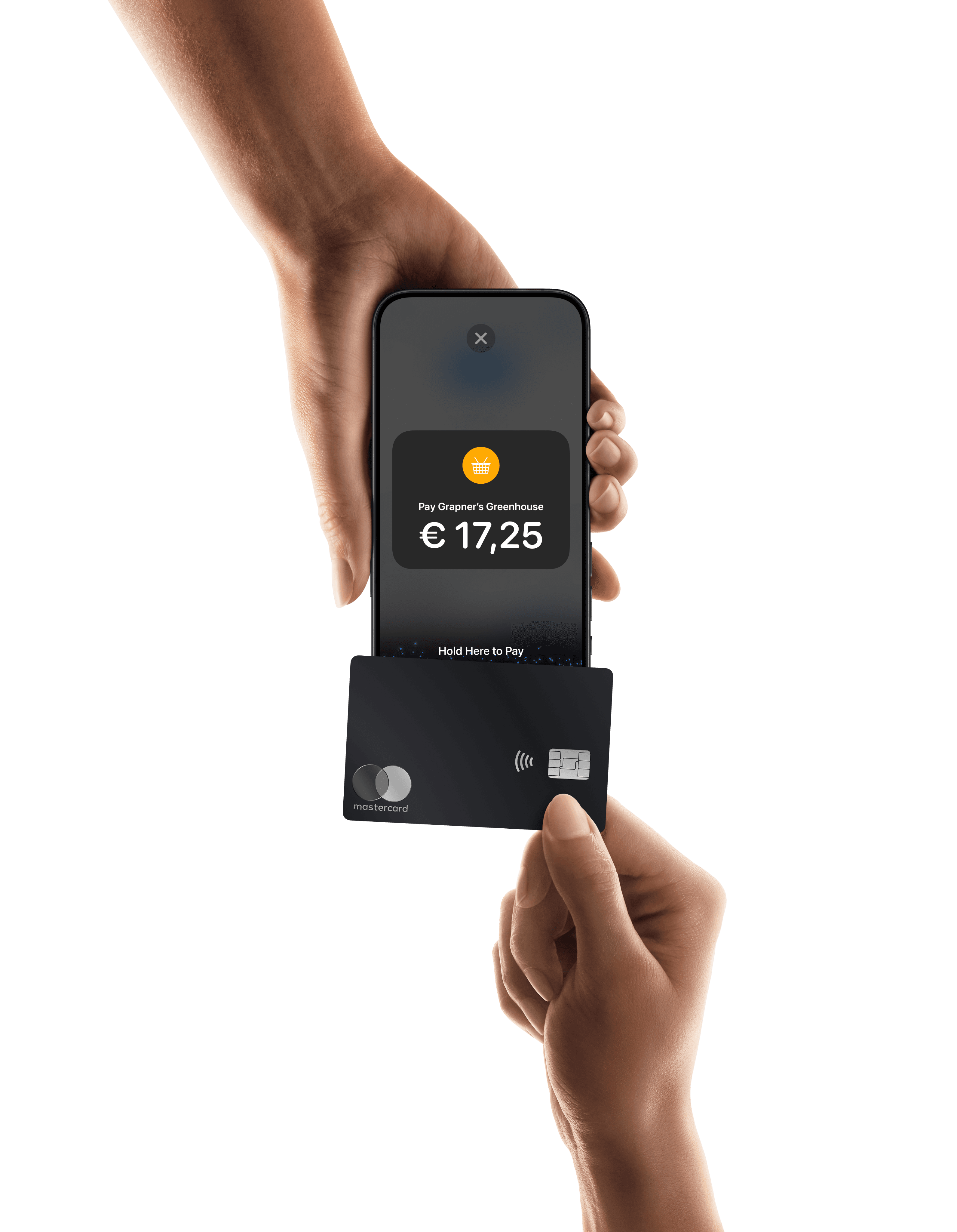
Here’s the detailed technical and geographical breakdown of the payment options available through our platform:

  1. Digital wallet 

PayPal

With PayPal, customers pay using their PayPal accounts. They can also use PayPal as a wallet, storing their cards for purchases. 

  • Type: digital wallet

  • Countries: global

  • Business model: ecommerce, marketplaces

  • Recurring payments: yes

  • Refunds: yes

  • Partial refunds: yes

  • Chargebacks: yes

PayPal functions as a global digital wallet spanning more than 200 countries. Buyers link their accounts directly to funding sources or maintain an independent balance. Because users log in with their credentials without exposing financial details to the store, it remains a highly trusted checkout option for retail, travel, and subscription billing.

Apple Pay

Apple Pay is a popular digital wallet that lets customers store their preferred credit and debit cards.

  • Type: digital wallet

  • Countries: global

  • Business model: ecommerce, marketplaces

  • Recurring payments: yes

  • Refunds: yes

  • Partial refunds: yes

  • Chargebacks: yes

Apple Pay allows consumers to digitise their credit and debit cards inside the Wallet app, and transactions are authorised via device biometrics, which ensures full compliance with strong customer authentication regulations under PSD3.

Google Pay 

Google Pay is a prominent digital wallet that enables users to store their preferred payment cards securely within their Google Account.

  • Type: pass-through wallet

  • Countries: global

  • Business model: ecommerce, marketplaces

  • Recurring payments: yes

  • Refunds: yes

  • Partial refunds: yes

  • Chargebacks: yes

Google Pay enables Android and web users worldwide to execute single-click checkouts on your website using any credit or debit card connected to their profile. Payments are authenticated via device biometrics or secure passcodes, fulfilling all strong customer authentication requirements under PSD2 while reducing friction on mobile.

Vipps MobilePay

Vipps and MobilePay have merged to form Vipps MobilePay, the preferred digital wallet solution for consumers across the Nordic region.

  • Type: digital wallet

  • Countries: Norway, Denmark, Finland

  • Business model: ecommerce, SaaS, subscription, marketplaces

  • Recurring payments: yes

  • Refunds: yes

  • Partial refunds: yes

  • Chargebacks: yes

By joining forces, Vipps MobilePay allows Nordic shoppers to complete web and mobile checkouts instantly using a registered mobile phone number. The platform integrates directly into a customer’s smartphone application to remove input friction at checkout. It also supports clean, automated recurring billing architectures, making it a vital addition for subscription services looking to build a stable customer base in the region.

  1. Global card schemes

Credit and debit cards

Card payments are still the world’s most popular way to pay. For consumers, they are one of the most secure payment methods.

  • Type: global card scheme

  • Countries: global

  • Business model: ecommerce, SaaS, subscription, marketplaces

  • Recurring payments: yes

  • Refunds: yes

  • Partial refunds: yes

  • Chargebacks: yes

Credit and debit cards remain the world's most widely used online payment method, accepted globally and trusted by consumers across every market. They offer strong buyer protection, broad currency support, and work across virtually every ecommerce platform and business model.

PostePay

PostePay is a prepaid card co-branded with Visa or Mastercard. It can be used in person or stored virtually in an e-wallet.

  • Type: prepaid card

  • Countries: Italy

  • Business model: ecommerce, SaaS, subscription, marketplaces

  • Recurring payments: yes

  • Refunds: yes

  • Partial refunds: yes

  • Chargebacks: no

PostePay provides pre-funded cards co-branded with major global card networks. Millions of Italian consumers use these cards for secure online checkouts, granting instant authorisations while operating under standard card dispute processing rules.

  1. Bank transfer

SEPA Bank Transfer

SEPA Bank Transfer is a secure European cross-border payment method available in 34 countries.

  • Type: bank transfer

  • Countries: Europe-wide

  • Business model: ecommerce, SaaS, subscriptions, marketplaces

  • Recurring payments: no

  • Refunds: yes

  • Partial refunds: no

  • Chargebacks: yes

The Single Euro Payments Area (SEPA) standard simplifies cross-border transfers across Europe using uniform IBAN formatting. Buyers log into their online banking tools to push funds securely. It is a highly favoured method in central Europe, typically settling within one to three business days, or just 10 seconds with SEPA Instant. 

Pay By Bank

Pay By Bank utilises open banking technology to allow direct account-to-account transfers.

  • Type: bank transfer

  • Countries: Europe-wide

  • Business model: ecommerce, SaaS, subscription, marketplaces

  • Recurring payments: no

  • Refunds: yes

  • Partial refunds: yes

  • Chargebacks: no

Pay By Bank operates as a secure, cost-effective alternative to standard card schemes. By letting consumers authenticate payments directly inside their preferred banking apps, it eliminates manual financial data entry and removes chargeback risks for cross-border businesses.

Wero

Wero is a unified digital wallet system developed by the European Payments Initiative (EPI) to harmonise cross-border payments.

  • Type: digital wallet

  • Countries: Germany, France, Belgium (expanding to the Netherlands and Luxembourg)

  • Business model: ecommerce, SaaS, subscription, marketplaces

  • Recurring payments: yes

  • Refunds: yes

  • Partial refunds: yes

  • Chargebacks: no

Wero enables customers to execute account-to-account payments directly from their banking profiles, bypassing international card schemes entirely. It processes settlements via SEPA Instant rails within 10 seconds. For merchants, it introduces a low-cost payment infrastructure that will gradually replace national networks.

Learn more about Wero in our guide: What is Wero? The complete guide for your business

iDEAL | Wero

iDEAL has long been a Dutch favourite, and recently it merged with Wero to become iDEAL | Wero – a guaranteed online bank transfer payment option supported by all major Dutch consumer banks.

  • Type: bank transfer

  • Countries: Netherlands

  • Business model: ecommerce, SaaS, subscriptions, marketplaces

  • Recurring payments: yes, via SEPA Direct Debit

  • Refunds: yes

  • Partial refunds: yes

  • Chargebacks: no

As the dominant payment system in the Netherlands, iDEAL | Wero handles roughly 70% of Dutch online transactions. It routes funds directly between bank accounts, giving merchants immediate transaction guarantees.

Bancontact

Bancontact is the most popular payment option for online and point-of-sale purchases in Belgium.

  • Type: bank transfer

  • Countries: Belgium

  • Business model: ecommerce, SaaS, subscription, marketplaces

  • Recurring payments: yes

  • Refunds: yes

  • Partial refunds: yes

  • Chargebacks: no

Bancontact is Belgium’s primary payment method, processing over 150,000 online and point-of-sale transactions daily. It provides immediate settlement confirmation backed by mandatory 3D Secure technology, meaning transactions cannot be reversed by the consumer.

KBC/CBC Button Payment

KBC/CBC is a payment method for two of Belgium’s largest banks and reaches millions of Belgian shoppers.

  • Type: bank transfer

  • Countries: Belgium

  • Business model: ecommerce, marketplaces

  • Recurring payments: no

  • Refunds: yes

  • Partial refunds: yes

  • Chargebacks: no

KBC/CBC Button Payments allow customers to authenticate payments directly within their banking environment. Uniquely, the method allows buyers to delay payment for up to two months, while merchants receive instant settlement – making it a useful option for Belgian retailers looking to offer flexible payment terms without taking on credit risk.

Belfius Pay Button

Belfius is one of Belgium’s largest banks and enables its customers to make real-time payments in their trusted online banking environment.

  • Type: bank transfer

  • Countries: Belgium

  • Business model: ecommerce, marketplaces

  • Recurring payments: no

  • Refunds: yes

  • Partial refunds: yes

  • Chargebacks: no

The Belfius platform enables real-time bank transfers for Belgian account holders via their mobile banking applications. Authorisations are guaranteed and cannot be reversed, meaning you can fulfil orders immediately.

EPS

Developed by Austrian banks, EPS is the main bank transfer payment method in Austria.

  • Type: bank transfer

  • Countries: Austria

  • Business model: ecommerce, SaaS, subscription, marketplaces

  • Recurring payments: yes

  • Refunds: yes

  • Partial refunds: yes

  • Chargebacks: no

The Electronic Payment Standard is a collaborative framework built by Austrian banks and governing authorities. It represents a highly trusted bank-redirect method that over 80% of Austrian online stores offer, providing immediate payment finality.

Przelewy24

Przelewy24 (P24) is the most popular payment method in Poland, with support from all of the country’s major banks.

  • Type: bank transfer

  • Countries: Poland

  • Business model: ecommerce, marketplaces

  • Recurring payments: no

  • Refunds: yes

  • Partial refunds: yes

  • Chargebacks: no

Bank transfers handle the clear majority of Polish digital trade. Przelewy24 coordinates this fragmented market by linking 165 local banks into one stable interface. It provides instant verification, supports 3D Secure protocols, and accommodates integrated Blik or card payments.

Bizum

Bizum is Spain’s leading mobile banking payment method, trusted by over 25 million local consumers.

  • Type: bank transfer

  • Countries: Spain, Andorra

  • Business model: ecommerce, marketplaces

  • Recurring payments: no

  • Refunds: yes

  • Partial refunds: yes

  • Chargebacks: no

Bizum connects Spanish bank accounts directly to mobile numbers. At checkout, shoppers enter their telephone details and verify the transaction instantly inside their own banking application, optimising checkouts across Spanish retail sectors.

Multibanco

Multibanco is a highly trusted reference-based payment network that handles major digital transaction volumes across Portugal.

  • Type: bank transfer

  • Countries: Portugal

  • Business model: ecommerce, SaaS, subscription, marketplaces

  • Recurring payments: no

  • Refunds: yes

  • Partial refunds: yes

  • Chargebacks: no

Multibanco lets Portuguese consumers complete digital purchases securely post-checkout. At the checkout window, the system generates a unique entity code and reference number. The buyer then uses these details to clear the balance via their mobile banking app, home banking portal, or at any of the 12,000 physical ATMs across Portugal.

  1. Direct debit

SEPA Direct Debit

SEPA Direct Debit is a European payment method offering one-off and recurring transactions.

  • Type: direct debit

  • Countries: Europe-wide

  • Business model: SaaS, subscription

  • Recurring payments: yes

  • Refunds: yes

  • Partial refunds: yes

  • Chargebacks: yes

This system enables automated collection of recurring subscription fees across 36 European nations. To initiate withdrawals, you require a signed mandate from your customer. Mollie streamlines this by allowing users to sign mandates digitally during an initial checkout transaction using local bank methods. SEPA Direct Debit is widely used in Germany and the Netherlands.

Bacs

Bacs Direct Debit is the primary automated framework for scheduled bank account collections in the UK.

  • Type: direct debit

  • Countries: United Kingdom

  • Business model: SaaS, subscription

  • Recurring payments: yes

  • Refunds: yes

  • Partial refunds: yes

  • Chargebacks: yes

Bacs allows businesses to secure automated, recurring settlements from UK bank accounts in British pounds sterling. It serves as a necessary component for software platforms and subscription merchants looking to establish reliable cash flow across the UK market.

Swish

Swish is Sweden’s primary real-time infrastructure, offering mobile-initiated recurring bank settlements.

  • Type: mobile payment

  • Countries: Sweden

  • Business model: ecommerce, SaaS, subscription, marketplaces

  • Recurring payments: yes

  • Refunds: yes

  • Partial refunds: yes

  • Chargebacks: no

Swish connects Swedish bank accounts instantly via a mobile device interface. Alongside handling standard one-off digital purchases, its recurring authorisation framework lets subscription merchants collect scheduled balances securely from Swedish consumers.

  1. Buy Now, Pay Later (BNPL)

Klarna

Klarna offers a streamlined checkout experience that combines all of Klarna's payment methods into a single, user-friendly option, offering consumers flexibility and convenience.

  • Type: buy now, pay later (BNPL)

  • Countries: global

  • Business model: ecommerce, SaaS, subscription, marketplaces

  • Recurring payments: yes

  • Refunds: yes

  • Partial refunds: yes

  • Chargebacks: yes

Klarna simplifies the user experience, making it easier for consumers to choose different payment options like Pay-in-3 or Pay-in-30, and improves conversion rates for merchants. It also offers businesses protection against non-payment risk, ensuring they receive payments promptly.

Riverty 

Riverty is a European buy now, pay later (BNPL) payment method, offering customers flexible payment options while managing financial risk and dunning processes for businesses.

  • Type: buy now, pay later (BNPL)

  • Countries: Netherlands, Belgium, Germany, Austria

  • Business model: ecommerce, SaaS, subscription, marketplaces

  • Recurring payments: no

  • Refunds: yes

  • Partial refunds: yes

  • Chargebacks: yes

Riverty provides a consumer financing solution that allows shoppers to delay payment for up to 30 days. The service assumes the underlying consumer default and collection risks, protecting your business from non-payment while lifting conversion performance.

Alma

Alma is a leading buy now, pay later provider that dominates flexible consumer financing across France.

  • Type: buy now, pay later (BNPL)

  • Countries: France, Italy, Spain, Belgium, Luxembourg, the Netherlands

  • Business model: ecommerce, marketplaces

  • Recurring payments: no

  • Refunds: yes

  • Partial refunds: yes

  • Chargebacks: yes

Alma lets consumers easily split transactions into two, three, or four instalments. Businesses receive the full settlement credit immediately at checkout, while Alma coordinates the subsequent collection cycles, increasing average order values for European stores.

  1. Mobile payments

Satispay 

Satispay is an innovative Italian mobile payment platform that allows consumers to make secure, real-time payments directly from their bank accounts without the need for credit or debit cards.

  • Type: mobile payments

  • Countries: Italy (expanding across Europe)

  • Business model: ecommerce, SaaS, subscription, marketplaces

  • Recurring payments: no

  • Refunds: yes

  • Partial refunds: yes

  • Chargebacks: no

Satispay links directly to Italian bank accounts, bypassing traditional credit card scheme networks completely. This mobile-first application lowers transaction fees for merchants while providing a simple smartphone authentication experience for buyers.

Blik

Blik is a mobile payment system that allows consumers to pay in-store and online, deposit and withdraw money from their Blik account, and send money to others.

  • Type: bank transfer

  • Countries: Poland

  • Business model: ecommerce

  • Recurring payments: no

  • Refunds: yes

  • Partial refunds: yes

  • Chargebacks: yes

Blik operates as Poland's most popular payment method, reaching over 90% of Polish banking consumers. Buyers generate a temporary six-digit code inside their mobile banking application to authorise secure, real-time web checkouts.

TWINT

TWINT, Switzerland’s most popular mobile payment method, allows users to connect their bank account or cards and the TWINT app to make secure online and in-person payments.

  • Type: mobile payments

  • Countries: Switzerland

  • Business model: ecommerce, SaaS, subscription, marketplaces

  • Recurring payments: yes

  • Refunds: yes

  • Partial refunds: yes

  • Chargebacks: yes

TWINT is the dominant digital wallet network in Switzerland, utilised regularly by more than half of the Swiss population. Users connect bank credentials directly to the app, authorising online and desktop purchases instantly via QR code scans.

BANCOMAT Pay

Bancomat Pay is a popular Italian mobile payment service, allowing users to connect their bank accounts to the Bancomat Pay app for secure online and in-person payments.

  • Type: mobile payments

  • Countries: Italy

  • Business model: ecommerce, SaaS, subscription, marketplaces

  • Recurring payments: yes

  • Refunds: yes

  • Partial refunds: yes

  • Chargebacks: yes

This Italian mobile system connects directly to the extensive domestic Bancomat banking network. It lets consumers execute secure digital transfers that are authorised instantly via their smartphone banking applications.

MB Way

MB Way is the leading mobile wallet solution in Portugal, covering over 45% of the local digital commerce market.

  • Type: mobile payments

  • Countries: Portugal

  • Business model: ecommerce, marketplaces

  • Recurring payments: no

  • Refunds: yes

  • Partial refunds: yes

  • Chargebacks: no

MB Way allows Portuguese consumers to execute checkouts by typing their mobile credentials and authorising the transaction inside a dedicated app using device biometrics. This direct system delivers instant payment finality and protects operating margins for international merchants.

  1. Local card scheme

Cartes Bancaires

Cartes Bancaires is France’s local card scheme and the most widely used payment method in France.

  • Type: local card scheme

  • Countries: France

  • Business model: ecommerce, SaaS, subscription, marketplaces

  • Recurring payments: yes

  • Refunds: yes

  • Partial refunds: yes

  • Chargebacks: yes

With more than 70 million active cards in circulation, Cartes Bancaires is France's standard payment instrument. Most cards carry Visa co-branding, and transactions require mandatory 3D Secure validation to insulate merchants against fraud.

  1. B2B Buy now, pay later (BNPL)

Businesses can use buy now, pay later to purchase goods and pay at a later date. Billie and in3 Business are examples of B2B BNPL providers.

in3 Business   

in3 Business is a payment method operated by in3 and Rabobank, allowing businesses to pay for purchases in three instalments without any interest or additional costs.

  • Type: instalment payments

  • Countries: Netherlands

  • Business model: ecommerce, B2B, marketplaces

  • Recurring payments: no

  • Refunds: yes

  • Partial refunds: yes

  • Chargebacks: yes

Operated in partnership with Rabobank, in3 Business allows Dutch commercial entities to split corporate purchases into three interest-free instalments, helping them manage operational capital cycles cleanly without added service costs.

Billie

Billie is a leading European B2B BNPL payment method provider offering flexible payment terms while merchants receive a guaranteed payout.

  • Type: B2B buy now, pay later (BNPL)

  • Countries: Germany, Austria, the Netherlands, France, and Sweden

  • Business model: ecommerce, SaaS, subscription, marketplaces

  • Recurring payments: yes

  • Refunds: yes

  • Partial refunds: yes

  • Chargebacks: yes

Billie serves as a major European business financing option, letting corporate purchasers defer invoice payments or stagger settlements post-delivery. The service manages the underlying corporate credit assessment and collection cycles, ensuring merchants receive guaranteed payouts.

Here’s the detailed technical and geographical breakdown of the payment options available through our platform:

  1. Digital wallet 

PayPal

With PayPal, customers pay using their PayPal accounts. They can also use PayPal as a wallet, storing their cards for purchases. 

  • Type: digital wallet

  • Countries: global

  • Business model: ecommerce, marketplaces

  • Recurring payments: yes

  • Refunds: yes

  • Partial refunds: yes

  • Chargebacks: yes

PayPal functions as a global digital wallet spanning more than 200 countries. Buyers link their accounts directly to funding sources or maintain an independent balance. Because users log in with their credentials without exposing financial details to the store, it remains a highly trusted checkout option for retail, travel, and subscription billing.

Apple Pay

Apple Pay is a popular digital wallet that lets customers store their preferred credit and debit cards.

  • Type: digital wallet

  • Countries: global

  • Business model: ecommerce, marketplaces

  • Recurring payments: yes

  • Refunds: yes

  • Partial refunds: yes

  • Chargebacks: yes

Apple Pay allows consumers to digitise their credit and debit cards inside the Wallet app, and transactions are authorised via device biometrics, which ensures full compliance with strong customer authentication regulations under PSD3.

Google Pay 

Google Pay is a prominent digital wallet that enables users to store their preferred payment cards securely within their Google Account.

  • Type: pass-through wallet

  • Countries: global

  • Business model: ecommerce, marketplaces

  • Recurring payments: yes

  • Refunds: yes

  • Partial refunds: yes

  • Chargebacks: yes

Google Pay enables Android and web users worldwide to execute single-click checkouts on your website using any credit or debit card connected to their profile. Payments are authenticated via device biometrics or secure passcodes, fulfilling all strong customer authentication requirements under PSD2 while reducing friction on mobile.

Vipps MobilePay

Vipps and MobilePay have merged to form Vipps MobilePay, the preferred digital wallet solution for consumers across the Nordic region.

  • Type: digital wallet

  • Countries: Norway, Denmark, Finland

  • Business model: ecommerce, SaaS, subscription, marketplaces

  • Recurring payments: yes

  • Refunds: yes

  • Partial refunds: yes

  • Chargebacks: yes

By joining forces, Vipps MobilePay allows Nordic shoppers to complete web and mobile checkouts instantly using a registered mobile phone number. The platform integrates directly into a customer’s smartphone application to remove input friction at checkout. It also supports clean, automated recurring billing architectures, making it a vital addition for subscription services looking to build a stable customer base in the region.

  1. Global card schemes

Credit and debit cards

Card payments are still the world’s most popular way to pay. For consumers, they are one of the most secure payment methods.

  • Type: global card scheme

  • Countries: global

  • Business model: ecommerce, SaaS, subscription, marketplaces

  • Recurring payments: yes

  • Refunds: yes

  • Partial refunds: yes

  • Chargebacks: yes

Credit and debit cards remain the world's most widely used online payment method, accepted globally and trusted by consumers across every market. They offer strong buyer protection, broad currency support, and work across virtually every ecommerce platform and business model.

PostePay

PostePay is a prepaid card co-branded with Visa or Mastercard. It can be used in person or stored virtually in an e-wallet.

  • Type: prepaid card

  • Countries: Italy

  • Business model: ecommerce, SaaS, subscription, marketplaces

  • Recurring payments: yes

  • Refunds: yes

  • Partial refunds: yes

  • Chargebacks: no

PostePay provides pre-funded cards co-branded with major global card networks. Millions of Italian consumers use these cards for secure online checkouts, granting instant authorisations while operating under standard card dispute processing rules.

  1. Bank transfer

SEPA Bank Transfer

SEPA Bank Transfer is a secure European cross-border payment method available in 34 countries.

  • Type: bank transfer

  • Countries: Europe-wide

  • Business model: ecommerce, SaaS, subscriptions, marketplaces

  • Recurring payments: no

  • Refunds: yes

  • Partial refunds: no

  • Chargebacks: yes

The Single Euro Payments Area (SEPA) standard simplifies cross-border transfers across Europe using uniform IBAN formatting. Buyers log into their online banking tools to push funds securely. It is a highly favoured method in central Europe, typically settling within one to three business days, or just 10 seconds with SEPA Instant. 

Pay By Bank

Pay By Bank utilises open banking technology to allow direct account-to-account transfers.

  • Type: bank transfer

  • Countries: Europe-wide

  • Business model: ecommerce, SaaS, subscription, marketplaces

  • Recurring payments: no

  • Refunds: yes

  • Partial refunds: yes

  • Chargebacks: no

Pay By Bank operates as a secure, cost-effective alternative to standard card schemes. By letting consumers authenticate payments directly inside their preferred banking apps, it eliminates manual financial data entry and removes chargeback risks for cross-border businesses.

Wero

Wero is a unified digital wallet system developed by the European Payments Initiative (EPI) to harmonise cross-border payments.

  • Type: digital wallet

  • Countries: Germany, France, Belgium (expanding to the Netherlands and Luxembourg)

  • Business model: ecommerce, SaaS, subscription, marketplaces

  • Recurring payments: yes

  • Refunds: yes

  • Partial refunds: yes

  • Chargebacks: no

Wero enables customers to execute account-to-account payments directly from their banking profiles, bypassing international card schemes entirely. It processes settlements via SEPA Instant rails within 10 seconds. For merchants, it introduces a low-cost payment infrastructure that will gradually replace national networks.

Learn more about Wero in our guide: What is Wero? The complete guide for your business

iDEAL | Wero

iDEAL has long been a Dutch favourite, and recently it merged with Wero to become iDEAL | Wero – a guaranteed online bank transfer payment option supported by all major Dutch consumer banks.

  • Type: bank transfer

  • Countries: Netherlands

  • Business model: ecommerce, SaaS, subscriptions, marketplaces

  • Recurring payments: yes, via SEPA Direct Debit

  • Refunds: yes

  • Partial refunds: yes

  • Chargebacks: no

As the dominant payment system in the Netherlands, iDEAL | Wero handles roughly 70% of Dutch online transactions. It routes funds directly between bank accounts, giving merchants immediate transaction guarantees.

Bancontact

Bancontact is the most popular payment option for online and point-of-sale purchases in Belgium.

  • Type: bank transfer

  • Countries: Belgium

  • Business model: ecommerce, SaaS, subscription, marketplaces

  • Recurring payments: yes

  • Refunds: yes

  • Partial refunds: yes

  • Chargebacks: no

Bancontact is Belgium’s primary payment method, processing over 150,000 online and point-of-sale transactions daily. It provides immediate settlement confirmation backed by mandatory 3D Secure technology, meaning transactions cannot be reversed by the consumer.

KBC/CBC Button Payment

KBC/CBC is a payment method for two of Belgium’s largest banks and reaches millions of Belgian shoppers.

  • Type: bank transfer

  • Countries: Belgium

  • Business model: ecommerce, marketplaces

  • Recurring payments: no

  • Refunds: yes

  • Partial refunds: yes

  • Chargebacks: no

KBC/CBC Button Payments allow customers to authenticate payments directly within their banking environment. Uniquely, the method allows buyers to delay payment for up to two months, while merchants receive instant settlement – making it a useful option for Belgian retailers looking to offer flexible payment terms without taking on credit risk.

Belfius Pay Button

Belfius is one of Belgium’s largest banks and enables its customers to make real-time payments in their trusted online banking environment.

  • Type: bank transfer

  • Countries: Belgium

  • Business model: ecommerce, marketplaces

  • Recurring payments: no

  • Refunds: yes

  • Partial refunds: yes

  • Chargebacks: no

The Belfius platform enables real-time bank transfers for Belgian account holders via their mobile banking applications. Authorisations are guaranteed and cannot be reversed, meaning you can fulfil orders immediately.

EPS

Developed by Austrian banks, EPS is the main bank transfer payment method in Austria.

  • Type: bank transfer

  • Countries: Austria

  • Business model: ecommerce, SaaS, subscription, marketplaces

  • Recurring payments: yes

  • Refunds: yes

  • Partial refunds: yes

  • Chargebacks: no

The Electronic Payment Standard is a collaborative framework built by Austrian banks and governing authorities. It represents a highly trusted bank-redirect method that over 80% of Austrian online stores offer, providing immediate payment finality.

Przelewy24

Przelewy24 (P24) is the most popular payment method in Poland, with support from all of the country’s major banks.

  • Type: bank transfer

  • Countries: Poland

  • Business model: ecommerce, marketplaces

  • Recurring payments: no

  • Refunds: yes

  • Partial refunds: yes

  • Chargebacks: no

Bank transfers handle the clear majority of Polish digital trade. Przelewy24 coordinates this fragmented market by linking 165 local banks into one stable interface. It provides instant verification, supports 3D Secure protocols, and accommodates integrated Blik or card payments.

Bizum

Bizum is Spain’s leading mobile banking payment method, trusted by over 25 million local consumers.

  • Type: bank transfer

  • Countries: Spain, Andorra

  • Business model: ecommerce, marketplaces

  • Recurring payments: no

  • Refunds: yes

  • Partial refunds: yes

  • Chargebacks: no

Bizum connects Spanish bank accounts directly to mobile numbers. At checkout, shoppers enter their telephone details and verify the transaction instantly inside their own banking application, optimising checkouts across Spanish retail sectors.

Multibanco

Multibanco is a highly trusted reference-based payment network that handles major digital transaction volumes across Portugal.

  • Type: bank transfer

  • Countries: Portugal

  • Business model: ecommerce, SaaS, subscription, marketplaces

  • Recurring payments: no

  • Refunds: yes

  • Partial refunds: yes

  • Chargebacks: no

Multibanco lets Portuguese consumers complete digital purchases securely post-checkout. At the checkout window, the system generates a unique entity code and reference number. The buyer then uses these details to clear the balance via their mobile banking app, home banking portal, or at any of the 12,000 physical ATMs across Portugal.

  1. Direct debit

SEPA Direct Debit

SEPA Direct Debit is a European payment method offering one-off and recurring transactions.

  • Type: direct debit

  • Countries: Europe-wide

  • Business model: SaaS, subscription

  • Recurring payments: yes

  • Refunds: yes

  • Partial refunds: yes

  • Chargebacks: yes

This system enables automated collection of recurring subscription fees across 36 European nations. To initiate withdrawals, you require a signed mandate from your customer. Mollie streamlines this by allowing users to sign mandates digitally during an initial checkout transaction using local bank methods. SEPA Direct Debit is widely used in Germany and the Netherlands.

Bacs

Bacs Direct Debit is the primary automated framework for scheduled bank account collections in the UK.

  • Type: direct debit

  • Countries: United Kingdom

  • Business model: SaaS, subscription

  • Recurring payments: yes

  • Refunds: yes

  • Partial refunds: yes

  • Chargebacks: yes

Bacs allows businesses to secure automated, recurring settlements from UK bank accounts in British pounds sterling. It serves as a necessary component for software platforms and subscription merchants looking to establish reliable cash flow across the UK market.

Swish

Swish is Sweden’s primary real-time infrastructure, offering mobile-initiated recurring bank settlements.

  • Type: mobile payment

  • Countries: Sweden

  • Business model: ecommerce, SaaS, subscription, marketplaces

  • Recurring payments: yes

  • Refunds: yes

  • Partial refunds: yes

  • Chargebacks: no

Swish connects Swedish bank accounts instantly via a mobile device interface. Alongside handling standard one-off digital purchases, its recurring authorisation framework lets subscription merchants collect scheduled balances securely from Swedish consumers.

  1. Buy Now, Pay Later (BNPL)

Klarna

Klarna offers a streamlined checkout experience that combines all of Klarna's payment methods into a single, user-friendly option, offering consumers flexibility and convenience.

  • Type: buy now, pay later (BNPL)

  • Countries: global

  • Business model: ecommerce, SaaS, subscription, marketplaces

  • Recurring payments: yes

  • Refunds: yes

  • Partial refunds: yes

  • Chargebacks: yes

Klarna simplifies the user experience, making it easier for consumers to choose different payment options like Pay-in-3 or Pay-in-30, and improves conversion rates for merchants. It also offers businesses protection against non-payment risk, ensuring they receive payments promptly.

Riverty 

Riverty is a European buy now, pay later (BNPL) payment method, offering customers flexible payment options while managing financial risk and dunning processes for businesses.

  • Type: buy now, pay later (BNPL)

  • Countries: Netherlands, Belgium, Germany, Austria

  • Business model: ecommerce, SaaS, subscription, marketplaces

  • Recurring payments: no

  • Refunds: yes

  • Partial refunds: yes

  • Chargebacks: yes

Riverty provides a consumer financing solution that allows shoppers to delay payment for up to 30 days. The service assumes the underlying consumer default and collection risks, protecting your business from non-payment while lifting conversion performance.

Alma

Alma is a leading buy now, pay later provider that dominates flexible consumer financing across France.

  • Type: buy now, pay later (BNPL)

  • Countries: France, Italy, Spain, Belgium, Luxembourg, the Netherlands

  • Business model: ecommerce, marketplaces

  • Recurring payments: no

  • Refunds: yes

  • Partial refunds: yes

  • Chargebacks: yes

Alma lets consumers easily split transactions into two, three, or four instalments. Businesses receive the full settlement credit immediately at checkout, while Alma coordinates the subsequent collection cycles, increasing average order values for European stores.

  1. Mobile payments

Satispay 

Satispay is an innovative Italian mobile payment platform that allows consumers to make secure, real-time payments directly from their bank accounts without the need for credit or debit cards.

  • Type: mobile payments

  • Countries: Italy (expanding across Europe)

  • Business model: ecommerce, SaaS, subscription, marketplaces

  • Recurring payments: no

  • Refunds: yes

  • Partial refunds: yes

  • Chargebacks: no

Satispay links directly to Italian bank accounts, bypassing traditional credit card scheme networks completely. This mobile-first application lowers transaction fees for merchants while providing a simple smartphone authentication experience for buyers.

Blik

Blik is a mobile payment system that allows consumers to pay in-store and online, deposit and withdraw money from their Blik account, and send money to others.

  • Type: bank transfer

  • Countries: Poland

  • Business model: ecommerce

  • Recurring payments: no

  • Refunds: yes

  • Partial refunds: yes

  • Chargebacks: yes

Blik operates as Poland's most popular payment method, reaching over 90% of Polish banking consumers. Buyers generate a temporary six-digit code inside their mobile banking application to authorise secure, real-time web checkouts.

TWINT

TWINT, Switzerland’s most popular mobile payment method, allows users to connect their bank account or cards and the TWINT app to make secure online and in-person payments.

  • Type: mobile payments

  • Countries: Switzerland

  • Business model: ecommerce, SaaS, subscription, marketplaces

  • Recurring payments: yes

  • Refunds: yes

  • Partial refunds: yes

  • Chargebacks: yes

TWINT is the dominant digital wallet network in Switzerland, utilised regularly by more than half of the Swiss population. Users connect bank credentials directly to the app, authorising online and desktop purchases instantly via QR code scans.

BANCOMAT Pay

Bancomat Pay is a popular Italian mobile payment service, allowing users to connect their bank accounts to the Bancomat Pay app for secure online and in-person payments.

  • Type: mobile payments

  • Countries: Italy

  • Business model: ecommerce, SaaS, subscription, marketplaces

  • Recurring payments: yes

  • Refunds: yes

  • Partial refunds: yes

  • Chargebacks: yes

This Italian mobile system connects directly to the extensive domestic Bancomat banking network. It lets consumers execute secure digital transfers that are authorised instantly via their smartphone banking applications.

MB Way

MB Way is the leading mobile wallet solution in Portugal, covering over 45% of the local digital commerce market.

  • Type: mobile payments

  • Countries: Portugal

  • Business model: ecommerce, marketplaces

  • Recurring payments: no

  • Refunds: yes

  • Partial refunds: yes

  • Chargebacks: no

MB Way allows Portuguese consumers to execute checkouts by typing their mobile credentials and authorising the transaction inside a dedicated app using device biometrics. This direct system delivers instant payment finality and protects operating margins for international merchants.

  1. Local card scheme

Cartes Bancaires

Cartes Bancaires is France’s local card scheme and the most widely used payment method in France.

  • Type: local card scheme

  • Countries: France

  • Business model: ecommerce, SaaS, subscription, marketplaces

  • Recurring payments: yes

  • Refunds: yes

  • Partial refunds: yes

  • Chargebacks: yes

With more than 70 million active cards in circulation, Cartes Bancaires is France's standard payment instrument. Most cards carry Visa co-branding, and transactions require mandatory 3D Secure validation to insulate merchants against fraud.

  1. B2B Buy now, pay later (BNPL)

Businesses can use buy now, pay later to purchase goods and pay at a later date. Billie and in3 Business are examples of B2B BNPL providers.

in3 Business   

in3 Business is a payment method operated by in3 and Rabobank, allowing businesses to pay for purchases in three instalments without any interest or additional costs.

  • Type: instalment payments

  • Countries: Netherlands

  • Business model: ecommerce, B2B, marketplaces

  • Recurring payments: no

  • Refunds: yes

  • Partial refunds: yes

  • Chargebacks: yes

Operated in partnership with Rabobank, in3 Business allows Dutch commercial entities to split corporate purchases into three interest-free instalments, helping them manage operational capital cycles cleanly without added service costs.

Billie

Billie is a leading European B2B BNPL payment method provider offering flexible payment terms while merchants receive a guaranteed payout.

  • Type: B2B buy now, pay later (BNPL)

  • Countries: Germany, Austria, the Netherlands, France, and Sweden

  • Business model: ecommerce, SaaS, subscription, marketplaces

  • Recurring payments: yes

  • Refunds: yes

  • Partial refunds: yes

  • Chargebacks: yes

Billie serves as a major European business financing option, letting corporate purchasers defer invoice payments or stagger settlements post-delivery. The service manages the underlying corporate credit assessment and collection cycles, ensuring merchants receive guaranteed payouts.

Here’s the detailed technical and geographical breakdown of the payment options available through our platform:

  1. Digital wallet 

PayPal

With PayPal, customers pay using their PayPal accounts. They can also use PayPal as a wallet, storing their cards for purchases. 

  • Type: digital wallet

  • Countries: global

  • Business model: ecommerce, marketplaces

  • Recurring payments: yes

  • Refunds: yes

  • Partial refunds: yes

  • Chargebacks: yes

PayPal functions as a global digital wallet spanning more than 200 countries. Buyers link their accounts directly to funding sources or maintain an independent balance. Because users log in with their credentials without exposing financial details to the store, it remains a highly trusted checkout option for retail, travel, and subscription billing.

Apple Pay

Apple Pay is a popular digital wallet that lets customers store their preferred credit and debit cards.

  • Type: digital wallet

  • Countries: global

  • Business model: ecommerce, marketplaces

  • Recurring payments: yes

  • Refunds: yes

  • Partial refunds: yes

  • Chargebacks: yes

Apple Pay allows consumers to digitise their credit and debit cards inside the Wallet app, and transactions are authorised via device biometrics, which ensures full compliance with strong customer authentication regulations under PSD3.

Google Pay 

Google Pay is a prominent digital wallet that enables users to store their preferred payment cards securely within their Google Account.

  • Type: pass-through wallet

  • Countries: global

  • Business model: ecommerce, marketplaces

  • Recurring payments: yes

  • Refunds: yes

  • Partial refunds: yes

  • Chargebacks: yes

Google Pay enables Android and web users worldwide to execute single-click checkouts on your website using any credit or debit card connected to their profile. Payments are authenticated via device biometrics or secure passcodes, fulfilling all strong customer authentication requirements under PSD2 while reducing friction on mobile.

Vipps MobilePay

Vipps and MobilePay have merged to form Vipps MobilePay, the preferred digital wallet solution for consumers across the Nordic region.

  • Type: digital wallet

  • Countries: Norway, Denmark, Finland

  • Business model: ecommerce, SaaS, subscription, marketplaces

  • Recurring payments: yes

  • Refunds: yes

  • Partial refunds: yes

  • Chargebacks: yes

By joining forces, Vipps MobilePay allows Nordic shoppers to complete web and mobile checkouts instantly using a registered mobile phone number. The platform integrates directly into a customer’s smartphone application to remove input friction at checkout. It also supports clean, automated recurring billing architectures, making it a vital addition for subscription services looking to build a stable customer base in the region.

  1. Global card schemes

Credit and debit cards

Card payments are still the world’s most popular way to pay. For consumers, they are one of the most secure payment methods.

  • Type: global card scheme

  • Countries: global

  • Business model: ecommerce, SaaS, subscription, marketplaces

  • Recurring payments: yes

  • Refunds: yes

  • Partial refunds: yes

  • Chargebacks: yes

Credit and debit cards remain the world's most widely used online payment method, accepted globally and trusted by consumers across every market. They offer strong buyer protection, broad currency support, and work across virtually every ecommerce platform and business model.

PostePay

PostePay is a prepaid card co-branded with Visa or Mastercard. It can be used in person or stored virtually in an e-wallet.

  • Type: prepaid card

  • Countries: Italy

  • Business model: ecommerce, SaaS, subscription, marketplaces

  • Recurring payments: yes

  • Refunds: yes

  • Partial refunds: yes

  • Chargebacks: no

PostePay provides pre-funded cards co-branded with major global card networks. Millions of Italian consumers use these cards for secure online checkouts, granting instant authorisations while operating under standard card dispute processing rules.

  1. Bank transfer

SEPA Bank Transfer

SEPA Bank Transfer is a secure European cross-border payment method available in 34 countries.

  • Type: bank transfer

  • Countries: Europe-wide

  • Business model: ecommerce, SaaS, subscriptions, marketplaces

  • Recurring payments: no

  • Refunds: yes

  • Partial refunds: no

  • Chargebacks: yes

The Single Euro Payments Area (SEPA) standard simplifies cross-border transfers across Europe using uniform IBAN formatting. Buyers log into their online banking tools to push funds securely. It is a highly favoured method in central Europe, typically settling within one to three business days, or just 10 seconds with SEPA Instant. 

Pay By Bank

Pay By Bank utilises open banking technology to allow direct account-to-account transfers.

  • Type: bank transfer

  • Countries: Europe-wide

  • Business model: ecommerce, SaaS, subscription, marketplaces

  • Recurring payments: no

  • Refunds: yes

  • Partial refunds: yes

  • Chargebacks: no

Pay By Bank operates as a secure, cost-effective alternative to standard card schemes. By letting consumers authenticate payments directly inside their preferred banking apps, it eliminates manual financial data entry and removes chargeback risks for cross-border businesses.

Wero

Wero is a unified digital wallet system developed by the European Payments Initiative (EPI) to harmonise cross-border payments.

  • Type: digital wallet

  • Countries: Germany, France, Belgium (expanding to the Netherlands and Luxembourg)

  • Business model: ecommerce, SaaS, subscription, marketplaces

  • Recurring payments: yes

  • Refunds: yes

  • Partial refunds: yes

  • Chargebacks: no

Wero enables customers to execute account-to-account payments directly from their banking profiles, bypassing international card schemes entirely. It processes settlements via SEPA Instant rails within 10 seconds. For merchants, it introduces a low-cost payment infrastructure that will gradually replace national networks.

Learn more about Wero in our guide: What is Wero? The complete guide for your business

iDEAL | Wero

iDEAL has long been a Dutch favourite, and recently it merged with Wero to become iDEAL | Wero – a guaranteed online bank transfer payment option supported by all major Dutch consumer banks.

  • Type: bank transfer

  • Countries: Netherlands

  • Business model: ecommerce, SaaS, subscriptions, marketplaces

  • Recurring payments: yes, via SEPA Direct Debit

  • Refunds: yes

  • Partial refunds: yes

  • Chargebacks: no

As the dominant payment system in the Netherlands, iDEAL | Wero handles roughly 70% of Dutch online transactions. It routes funds directly between bank accounts, giving merchants immediate transaction guarantees.

Bancontact

Bancontact is the most popular payment option for online and point-of-sale purchases in Belgium.

  • Type: bank transfer

  • Countries: Belgium

  • Business model: ecommerce, SaaS, subscription, marketplaces

  • Recurring payments: yes

  • Refunds: yes

  • Partial refunds: yes

  • Chargebacks: no

Bancontact is Belgium’s primary payment method, processing over 150,000 online and point-of-sale transactions daily. It provides immediate settlement confirmation backed by mandatory 3D Secure technology, meaning transactions cannot be reversed by the consumer.

KBC/CBC Button Payment

KBC/CBC is a payment method for two of Belgium’s largest banks and reaches millions of Belgian shoppers.

  • Type: bank transfer

  • Countries: Belgium

  • Business model: ecommerce, marketplaces

  • Recurring payments: no

  • Refunds: yes

  • Partial refunds: yes

  • Chargebacks: no

KBC/CBC Button Payments allow customers to authenticate payments directly within their banking environment. Uniquely, the method allows buyers to delay payment for up to two months, while merchants receive instant settlement – making it a useful option for Belgian retailers looking to offer flexible payment terms without taking on credit risk.

Belfius Pay Button

Belfius is one of Belgium’s largest banks and enables its customers to make real-time payments in their trusted online banking environment.

  • Type: bank transfer

  • Countries: Belgium

  • Business model: ecommerce, marketplaces

  • Recurring payments: no

  • Refunds: yes

  • Partial refunds: yes

  • Chargebacks: no

The Belfius platform enables real-time bank transfers for Belgian account holders via their mobile banking applications. Authorisations are guaranteed and cannot be reversed, meaning you can fulfil orders immediately.

EPS

Developed by Austrian banks, EPS is the main bank transfer payment method in Austria.

  • Type: bank transfer

  • Countries: Austria

  • Business model: ecommerce, SaaS, subscription, marketplaces

  • Recurring payments: yes

  • Refunds: yes

  • Partial refunds: yes

  • Chargebacks: no

The Electronic Payment Standard is a collaborative framework built by Austrian banks and governing authorities. It represents a highly trusted bank-redirect method that over 80% of Austrian online stores offer, providing immediate payment finality.

Przelewy24

Przelewy24 (P24) is the most popular payment method in Poland, with support from all of the country’s major banks.

  • Type: bank transfer

  • Countries: Poland

  • Business model: ecommerce, marketplaces

  • Recurring payments: no

  • Refunds: yes

  • Partial refunds: yes

  • Chargebacks: no

Bank transfers handle the clear majority of Polish digital trade. Przelewy24 coordinates this fragmented market by linking 165 local banks into one stable interface. It provides instant verification, supports 3D Secure protocols, and accommodates integrated Blik or card payments.

Bizum

Bizum is Spain’s leading mobile banking payment method, trusted by over 25 million local consumers.

  • Type: bank transfer

  • Countries: Spain, Andorra

  • Business model: ecommerce, marketplaces

  • Recurring payments: no

  • Refunds: yes

  • Partial refunds: yes

  • Chargebacks: no

Bizum connects Spanish bank accounts directly to mobile numbers. At checkout, shoppers enter their telephone details and verify the transaction instantly inside their own banking application, optimising checkouts across Spanish retail sectors.

Multibanco

Multibanco is a highly trusted reference-based payment network that handles major digital transaction volumes across Portugal.

  • Type: bank transfer

  • Countries: Portugal

  • Business model: ecommerce, SaaS, subscription, marketplaces

  • Recurring payments: no

  • Refunds: yes

  • Partial refunds: yes

  • Chargebacks: no

Multibanco lets Portuguese consumers complete digital purchases securely post-checkout. At the checkout window, the system generates a unique entity code and reference number. The buyer then uses these details to clear the balance via their mobile banking app, home banking portal, or at any of the 12,000 physical ATMs across Portugal.

  1. Direct debit

SEPA Direct Debit

SEPA Direct Debit is a European payment method offering one-off and recurring transactions.

  • Type: direct debit

  • Countries: Europe-wide

  • Business model: SaaS, subscription

  • Recurring payments: yes

  • Refunds: yes

  • Partial refunds: yes

  • Chargebacks: yes

This system enables automated collection of recurring subscription fees across 36 European nations. To initiate withdrawals, you require a signed mandate from your customer. Mollie streamlines this by allowing users to sign mandates digitally during an initial checkout transaction using local bank methods. SEPA Direct Debit is widely used in Germany and the Netherlands.

Bacs

Bacs Direct Debit is the primary automated framework for scheduled bank account collections in the UK.

  • Type: direct debit

  • Countries: United Kingdom

  • Business model: SaaS, subscription

  • Recurring payments: yes

  • Refunds: yes

  • Partial refunds: yes

  • Chargebacks: yes

Bacs allows businesses to secure automated, recurring settlements from UK bank accounts in British pounds sterling. It serves as a necessary component for software platforms and subscription merchants looking to establish reliable cash flow across the UK market.

Swish

Swish is Sweden’s primary real-time infrastructure, offering mobile-initiated recurring bank settlements.

  • Type: mobile payment

  • Countries: Sweden

  • Business model: ecommerce, SaaS, subscription, marketplaces

  • Recurring payments: yes

  • Refunds: yes

  • Partial refunds: yes

  • Chargebacks: no

Swish connects Swedish bank accounts instantly via a mobile device interface. Alongside handling standard one-off digital purchases, its recurring authorisation framework lets subscription merchants collect scheduled balances securely from Swedish consumers.

  1. Buy Now, Pay Later (BNPL)

Klarna

Klarna offers a streamlined checkout experience that combines all of Klarna's payment methods into a single, user-friendly option, offering consumers flexibility and convenience.

  • Type: buy now, pay later (BNPL)

  • Countries: global

  • Business model: ecommerce, SaaS, subscription, marketplaces

  • Recurring payments: yes

  • Refunds: yes

  • Partial refunds: yes

  • Chargebacks: yes

Klarna simplifies the user experience, making it easier for consumers to choose different payment options like Pay-in-3 or Pay-in-30, and improves conversion rates for merchants. It also offers businesses protection against non-payment risk, ensuring they receive payments promptly.

Riverty 

Riverty is a European buy now, pay later (BNPL) payment method, offering customers flexible payment options while managing financial risk and dunning processes for businesses.

  • Type: buy now, pay later (BNPL)

  • Countries: Netherlands, Belgium, Germany, Austria

  • Business model: ecommerce, SaaS, subscription, marketplaces

  • Recurring payments: no

  • Refunds: yes

  • Partial refunds: yes

  • Chargebacks: yes

Riverty provides a consumer financing solution that allows shoppers to delay payment for up to 30 days. The service assumes the underlying consumer default and collection risks, protecting your business from non-payment while lifting conversion performance.

Alma

Alma is a leading buy now, pay later provider that dominates flexible consumer financing across France.

  • Type: buy now, pay later (BNPL)

  • Countries: France, Italy, Spain, Belgium, Luxembourg, the Netherlands

  • Business model: ecommerce, marketplaces

  • Recurring payments: no

  • Refunds: yes

  • Partial refunds: yes

  • Chargebacks: yes

Alma lets consumers easily split transactions into two, three, or four instalments. Businesses receive the full settlement credit immediately at checkout, while Alma coordinates the subsequent collection cycles, increasing average order values for European stores.

  1. Mobile payments

Satispay 

Satispay is an innovative Italian mobile payment platform that allows consumers to make secure, real-time payments directly from their bank accounts without the need for credit or debit cards.

  • Type: mobile payments

  • Countries: Italy (expanding across Europe)

  • Business model: ecommerce, SaaS, subscription, marketplaces

  • Recurring payments: no

  • Refunds: yes

  • Partial refunds: yes

  • Chargebacks: no

Satispay links directly to Italian bank accounts, bypassing traditional credit card scheme networks completely. This mobile-first application lowers transaction fees for merchants while providing a simple smartphone authentication experience for buyers.

Blik

Blik is a mobile payment system that allows consumers to pay in-store and online, deposit and withdraw money from their Blik account, and send money to others.

  • Type: bank transfer

  • Countries: Poland

  • Business model: ecommerce

  • Recurring payments: no

  • Refunds: yes

  • Partial refunds: yes

  • Chargebacks: yes

Blik operates as Poland's most popular payment method, reaching over 90% of Polish banking consumers. Buyers generate a temporary six-digit code inside their mobile banking application to authorise secure, real-time web checkouts.

TWINT

TWINT, Switzerland’s most popular mobile payment method, allows users to connect their bank account or cards and the TWINT app to make secure online and in-person payments.

  • Type: mobile payments

  • Countries: Switzerland

  • Business model: ecommerce, SaaS, subscription, marketplaces

  • Recurring payments: yes

  • Refunds: yes

  • Partial refunds: yes

  • Chargebacks: yes

TWINT is the dominant digital wallet network in Switzerland, utilised regularly by more than half of the Swiss population. Users connect bank credentials directly to the app, authorising online and desktop purchases instantly via QR code scans.

BANCOMAT Pay

Bancomat Pay is a popular Italian mobile payment service, allowing users to connect their bank accounts to the Bancomat Pay app for secure online and in-person payments.

  • Type: mobile payments

  • Countries: Italy

  • Business model: ecommerce, SaaS, subscription, marketplaces

  • Recurring payments: yes

  • Refunds: yes

  • Partial refunds: yes

  • Chargebacks: yes

This Italian mobile system connects directly to the extensive domestic Bancomat banking network. It lets consumers execute secure digital transfers that are authorised instantly via their smartphone banking applications.

MB Way

MB Way is the leading mobile wallet solution in Portugal, covering over 45% of the local digital commerce market.

  • Type: mobile payments

  • Countries: Portugal

  • Business model: ecommerce, marketplaces

  • Recurring payments: no

  • Refunds: yes

  • Partial refunds: yes

  • Chargebacks: no

MB Way allows Portuguese consumers to execute checkouts by typing their mobile credentials and authorising the transaction inside a dedicated app using device biometrics. This direct system delivers instant payment finality and protects operating margins for international merchants.

  1. Local card scheme

Cartes Bancaires

Cartes Bancaires is France’s local card scheme and the most widely used payment method in France.

  • Type: local card scheme

  • Countries: France

  • Business model: ecommerce, SaaS, subscription, marketplaces

  • Recurring payments: yes

  • Refunds: yes

  • Partial refunds: yes

  • Chargebacks: yes

With more than 70 million active cards in circulation, Cartes Bancaires is France's standard payment instrument. Most cards carry Visa co-branding, and transactions require mandatory 3D Secure validation to insulate merchants against fraud.

  1. B2B Buy now, pay later (BNPL)

Businesses can use buy now, pay later to purchase goods and pay at a later date. Billie and in3 Business are examples of B2B BNPL providers.

in3 Business   

in3 Business is a payment method operated by in3 and Rabobank, allowing businesses to pay for purchases in three instalments without any interest or additional costs.

  • Type: instalment payments

  • Countries: Netherlands

  • Business model: ecommerce, B2B, marketplaces

  • Recurring payments: no

  • Refunds: yes

  • Partial refunds: yes

  • Chargebacks: yes

Operated in partnership with Rabobank, in3 Business allows Dutch commercial entities to split corporate purchases into three interest-free instalments, helping them manage operational capital cycles cleanly without added service costs.

Billie

Billie is a leading European B2B BNPL payment method provider offering flexible payment terms while merchants receive a guaranteed payout.

  • Type: B2B buy now, pay later (BNPL)

  • Countries: Germany, Austria, the Netherlands, France, and Sweden

  • Business model: ecommerce, SaaS, subscription, marketplaces

  • Recurring payments: yes

  • Refunds: yes

  • Partial refunds: yes

  • Chargebacks: yes

Billie serves as a major European business financing option, letting corporate purchasers defer invoice payments or stagger settlements post-delivery. The service manages the underlying corporate credit assessment and collection cycles, ensuring merchants receive guaranteed payouts.

How to activate payment methods with Mollie

Accepting local and leading payment methods is effortless with Mollie. Using our single API integration and pre-built plugins for major ecommerce platforms, you can bypass heavy technical setups and start converting shoppers with transparent, pay-as-you-go pricing.

Already a Mollie customer? Just log in and add any payment method to your dashboard. 

Not using Mollie yet? Sign up and add all the payment methods you need during our easy onboarding process.

FAQs: payment methods

What is the safest online payment method for merchants?

Guaranteed bank transfer systems like Bancontact, EPS, or the incoming Wero framework are the safest options because they use mandatory bank authentication. These systems remove the risk of standard consumer chargeback disputes, ensuring that once a transaction is authorised, the funds remain secure.

Can I use consumer payment methods for corporate sales?

While global cards work across both sectors, business buyers prefer dedicated tools like Billie or in3 Business. These options match corporate purchasing workflows by offering formal invoice generation and net-payment terms while protecting your capital with guaranteed upfront payouts.

How long does it take for funds to reach my available balance?

While systems like Wero or iDEAL execute transfers between bank accounts within ten seconds, your actual payout timeline depends on your payment provider profile. Mollie offers flexible payout schedules to ensure your cash flow remains stable and predictable.

More updates

Stay up to date

Never miss an update. Receive product updates, news and customer stories right into your inbox.

Form fields

Table of contents

Table of contents

Partner featured

MollieGrowthPayment methods: A comprehensive guide for businesses